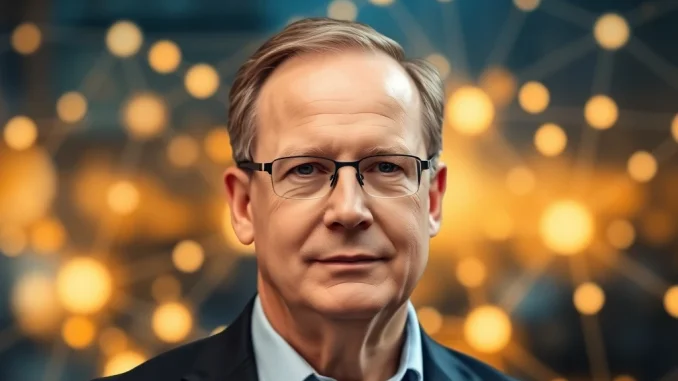
A significant development has emerged from the U.S. Securities and Exchange Commission (SEC). SEC Commissioner Paul Atkins recently stated his commitment to fostering on-chain capital formation. This move could profoundly impact the future of cryptocurrency regulation and the broader landscape of digital asset innovation. Watcher.Guru initially reported this crucial statement. Commissioner Atkins’ remarks signal a potential shift in regulatory perspectives. He aims to ensure that businesses can effectively raise funds using blockchain technology. This stance offers a hopeful outlook for many in the nascent digital asset space. It suggests a more accommodating approach from a key regulatory figure.
Understanding On-Chain Capital Formation
What exactly does on-chain capital formation entail? It refers to the process of raising funds through digital tokens on a blockchain network. This method offers several distinct advantages. For instance, it provides enhanced transparency. All transactions are recorded immutably on a public ledger. Furthermore, it promises greater efficiency. Intermediaries are often reduced or eliminated. This can lead to lower costs and faster processing times.
Key benefits include:
- Transparency: All transactions are publicly verifiable on the blockchain.
- Efficiency: Reduces intermediaries, lowering costs and speeding up processes.
- Accessibility: Democratizes access to capital for a wider range of projects.
- Innovation: Fosters new financial products and services.
Companies can issue security tokens or other digital assets directly to investors. This process streamlines traditional fundraising methods. Therefore, understanding this concept is vital for the future of finance. It represents a paradigm shift in how companies secure funding.
SEC Commissioner Paul Atkins’ Vision for Digital Assets
SEC Commissioner Paul Atkins has long been a vocal proponent of market-friendly regulation. His latest comments reinforce this position. He seeks to create an environment where blockchain technology can thrive. Atkins believes that on-chain capital formation is not just a technological novelty. Instead, he sees it as a powerful tool for economic growth. His vision involves careful regulatory oversight. However, it also emphasizes innovation. He wants to ensure that the SEC supports legitimate advancements. This includes exploring how digital assets can enhance traditional financial systems. His focus remains on investor protection. Yet, he also acknowledges the benefits of new technologies. This balanced approach is crucial for the industry’s progression. It could help bridge the gap between traditional finance and crypto.
Navigating Cryptocurrency Regulation with Foresight
The landscape of cryptocurrency regulation remains complex. Various jurisdictions globally grapple with defining digital assets. The SEC itself has taken different approaches over time. Some tokens are classified as securities. Others might be deemed commodities. This ambiguity creates challenges for businesses. Commissioner Atkins’ commitment could bring much-needed clarity. He understands the need for a regulatory framework. This framework should protect investors without stifling innovation. Consequently, his efforts could lead to more defined guidelines. Clear rules benefit both startups and established firms. They provide a predictable environment for growth. This proactive stance is welcomed by many industry participants. It helps build confidence in the evolving digital economy.
Boosting Digital Asset Innovation through Support
Support for on-chain capital formation directly fuels digital asset innovation. When companies can raise capital efficiently, they can invest more in development. This encourages new projects and technological breakthroughs. Blockchain technology extends beyond just cryptocurrencies. It underpins decentralized finance (DeFi) applications. It also powers non-fungible tokens (NFTs) and supply chain solutions. Commissioner Atkins’ stance recognizes this broader potential. He sees the transformative power of these technologies. Therefore, his commitment could unlock significant opportunities. It could accelerate the adoption of blockchain across various sectors. This includes finance, logistics, and even healthcare. Such innovation drives economic competitiveness. It also positions the U.S. as a leader in emerging technologies.
The Future of Blockchain Finance and Its Potential
The integration of blockchain into mainstream finance is inevitable. This movement defines the future of blockchain finance. Commissioner Atkins’ statements reinforce this trajectory. He envisions a future where digital assets play a central role. This involves tokenized securities, stablecoins, and decentralized exchanges. The ability to raise capital on-chain is fundamental to this vision. It allows for the creation of new financial products. It also enhances existing ones. Moreover, it can improve market liquidity and accessibility. This evolution will require collaboration. Regulators, innovators, and market participants must work together. The goal is to build robust and secure financial systems. These systems will leverage the benefits of distributed ledger technology. Ultimately, this promises a more inclusive and efficient global financial landscape.
Challenges and Opportunities in On-Chain Capital
While the prospect of streamlined on-chain capital formation is exciting, challenges remain. Regulatory clarity is still a work in progress. Ensuring investor protection in a decentralized environment is complex. Market manipulation and cybersecurity risks also require careful consideration. However, these challenges present opportunities for innovation. Developing robust compliance tools is essential. Educating investors about digital assets is also crucial. Commissioner Atkins’ proactive approach offers a path forward. He advocates for sensible regulations that address risks. Simultaneously, he champions the underlying technology’s potential. This balance is key to unlocking the full benefits of blockchain. It fosters a responsible yet dynamic environment. Thus, the journey ahead involves both hurdles and immense potential.
Broader Implications for Cryptocurrency Regulation
The stance of SEC Commissioner Paul Atkins holds significant weight. His views could influence broader cryptocurrency regulation within the SEC. A more supportive internal voice can shift the agency’s overall tone. This might lead to more nuanced policy discussions. It could also encourage the development of tailored frameworks. Such frameworks would address the unique aspects of digital assets. The current regulatory patchwork often creates uncertainty. Atkins’ advocacy for on-chain capital formation suggests a move towards harmonization. This would benefit market participants immensely. It provides a clearer roadmap for compliance. Ultimately, this fosters a healthier and more predictable market environment. It is a crucial step for the maturation of the crypto industry.
Paving the Way for Digital Asset Innovation
The explicit support for on-chain capital formation is a strong signal. It indicates a growing recognition of digital asset innovation at high levels. This recognition is vital for the sector’s long-term growth. Innovators often face significant barriers. These include regulatory uncertainty and high compliance costs. A supportive regulatory stance can alleviate some of these burdens. It empowers entrepreneurs to build new solutions. It also encourages traditional institutions to explore blockchain integration. This creates a virtuous cycle of investment and development. Consequently, we can expect to see more sophisticated applications emerge. These will span various industries. This positive reinforcement from regulators is invaluable. It helps solidify the foundation for future advancements.
Enhancing Trust in Blockchain Finance
Building trust is paramount for the widespread adoption of blockchain finance. Investor confidence relies on clear rules and robust protections. Commissioner Atkins’ commitment to ensuring capital can be raised on-chain contributes to this trust. It shows that regulators are actively engaging with the technology. This engagement helps to legitimize the digital asset space. It moves beyond speculative narratives. Instead, it focuses on the fundamental utility of blockchain. Transparent fundraising mechanisms are a cornerstone of a healthy market. By supporting these, the SEC can foster greater integrity. This makes digital assets more appealing to institutional investors. It also protects retail participants. Therefore, this initiative is crucial for long-term market stability.
In conclusion, SEC Commissioner Paul Atkins’ pledge marks a significant moment. His commitment to facilitating on-chain capital formation offers a positive outlook. This approach could reshape cryptocurrency regulation in the United States. It promises to unlock new avenues for digital asset innovation. Furthermore, it paves the way for a more integrated future in blockchain finance. While challenges remain, the clear intention from a key regulator is encouraging. It signals a move towards embracing, rather than merely overseeing, these transformative technologies. The industry will closely watch how these intentions translate into actionable policies. This development holds immense potential for the entire digital asset ecosystem.
Frequently Asked Questions (FAQs)
Q1: What does “on-chain capital formation” mean?
A1: It refers to raising funds by issuing digital tokens or assets directly on a blockchain network. This method offers transparency and efficiency, streamlining traditional fundraising processes.
Q2: Who is SEC Commissioner Paul Atkins?
A2: Paul Atkins is a Commissioner at the U.S. Securities and Exchange Commission. He is known for advocating market-friendly regulation and supporting technological advancements in finance.
Q3: How might this impact cryptocurrency regulation?
A3: Commissioner Atkins’ stance could lead to more defined and supportive regulatory frameworks. These frameworks would help integrate digital assets into the financial system while ensuring investor protection.
Q4: What are the benefits of supporting digital asset innovation?
A4: Supporting digital asset innovation encourages new projects and technological breakthroughs. It accelerates blockchain adoption across various industries, fostering economic growth and competitiveness.
Q5: What role does blockchain finance play in this vision?
A5: Blockchain finance involves integrating digital assets and blockchain technology into mainstream financial systems. On-chain capital formation is a key component of this evolution, enabling new financial products and improved market liquidity.
Q6: Are there still challenges despite this positive development?
A6: Yes, challenges remain. These include ensuring regulatory clarity, protecting investors in decentralized environments, and addressing cybersecurity risks. However, these also present opportunities for innovation in compliance and education.