In an increasingly interconnected yet fractured world, major geopolitical shifts can send ripples across global markets, influencing everything from traditional finance to the volatile realm of cryptocurrency. The latest development—the initiation of direct Russia North Korea flights—is a prime example of such a shift, signaling a deepening alliance that warrants close attention from observers worldwide.
Russia North Korea Flights: Unveiling a New Air Corridor
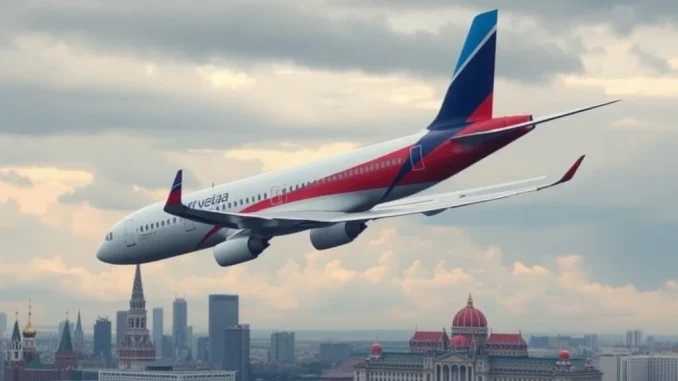
On July 27, 2025, a significant chapter in bilateral relations between Russia and North Korea began with the inaugural direct commercial air service between Moscow and Pyongyang. Operated by Nordwind Airlines, the flight departed Sheremetyevo International Airport, marking a clear escalation in ties amidst ongoing global geopolitical tensions.
Initially, this new air corridor will run once monthly, with one-way tickets priced at 45,000 rubles, approximately $570. This pricing, which is roughly one-fifth of the average monthly salary in Russia, positions the service as a luxury or niche transport option rather than a mainstream choice. It’s likely tailored for specific demographics, including diplomats, business executives, or high-net-worth individuals.
The Russian transport ministry has confirmed this monthly schedule, underscoring the venture’s symbolic significance over its immediate economic scale. This air link follows other infrastructure developments between the two nations, notably the restoration of rail links in June 2025, further solidifying their strategic alignment.
What Do Moscow Pyongyang Flights Truly Signify?
Beyond simply connecting two capitals, these Moscow Pyongyang flights are a powerful statement of strategic alignment and mutual support. Analysts suggest these flights could facilitate deeper cooperation across various sectors, particularly as Russia navigates Western sanctions following its invasion of Ukraine and seeks alternative supply chains and allies.
For North Korea, the flights align with its ongoing efforts to diversify international partnerships, especially as sanctions continue to isolate the country from much of the global community. The air corridor could potentially enable:
- Resource Flow: Easing the movement of goods, including potential military supplies or technological components, between the two nations.
- Diplomatic Exchange: Providing a direct, high-level channel for diplomatic and political engagement.
- Economic Cooperation: Facilitating limited, high-value business interactions, potentially in energy or technology, despite the low frequency.
While the practical impact on global trade networks remains constrained by the limited frequency and North Korea’s overall isolation, the route’s existence itself signals a notable shift in Moscow’s foreign policy priorities and Pyongyang’s defiant posture.
Deepening Geopolitical Ties Amidst Global Tensions
The timing of this new air service, coinciding with heightened tensions on the Korean Peninsula and in Eastern Europe, has drawn considerable attention from global observers. These flights are a tangible manifestation of deepening geopolitical ties between two nations that often find themselves at odds with Western powers.
For Russia, forging stronger alliances with nations like North Korea offers a pathway to circumvent sanctions and secure alternative sources for critical supplies, potentially including military logistics. For North Korea, it represents a crucial lifeline and a validation of its independent foreign policy, providing a counterweight to its diplomatic isolation.
While the Russian government has not explicitly linked these flights to its military campaign in Ukraine, the alignment of timelines suggests the move could support the flow of resources or personnel critical to both nations’ strategic objectives. This alliance challenges the established international order and highlights the emergence of new, non-Western aligned blocs.
Nordwind Airlines: The Facilitator of a Strategic Route
Nordwind Airlines, a Russian domestic carrier known for its focus on international charter services, has positioned itself as the primary facilitator of this new strategic corridor. The airline’s decision to launch such a politically charged route reflects more than just commercial ambition; it indicates a willingness to align with Russia’s broader geopolitical strategy.
Operating a route with such a high ticket price and low frequency suggests that the potential for premium revenue is a factor, but it’s likely secondary to the strategic importance placed on establishing this direct link. The long-term viability of this service will depend heavily on sustained demand from its niche demographic and, crucially, broader diplomatic developments between the two nations and their relations with the rest of the world.
The airline faces the unique challenge of navigating a route that is under intense international scrutiny, balancing commercial interests with geopolitical implications.
What Do These International Relations Mean for the Future?
The establishment of direct flights signifies a robust, if limited, commitment to strengthening international relations between Russia and North Korea. While the practical impact on large-scale trade or tourism might be minimal due to the route’s low frequency and the logistical hurdles of integrating North Korea into global trade networks, the symbolic message is profound.
This air corridor reinforces the narrative of a world increasingly divided into competing blocs, with nations seeking alliances outside traditional Western-led frameworks. It underscores a defiant stance against international pressure and sanctions, potentially emboldening other nations facing similar isolation.
Global powers will be closely watching how this air link evolves and what tangible forms of cooperation it enables. It could remain a high-level symbolic gesture, or it could be a precursor to more robust, multifaceted collaborations that further reshape the geopolitical landscape. The future trajectory of these relations will undoubtedly have implications for regional stability in East Asia and the broader global balance of power.
In conclusion, the launch of monthly direct flights between Moscow and Pyongyang is more than just a new travel option; it’s a powerful signal of a deepening strategic alliance. It highlights Russia’s pivot to new partners and North Korea’s determined efforts to break isolation, setting a new precedent in the complex tapestry of global geopolitics.
Frequently Asked Questions (FAQs)
1. What is the primary significance of Russia launching direct flights to North Korea?
The primary significance is geopolitical. It signals a deepening strategic alliance between Russia and North Korea, allowing for enhanced high-level contact and potential cooperation in areas like energy, technology, and military logistics, particularly as both nations face international sanctions and seek alternative partnerships.
2. How frequent are these Russia North Korea flights and what is the cost?
The direct flights are scheduled to operate once a month. A one-way ticket is priced at 45,000 rubles, which is approximately $570 USD. This high cost indicates the service is intended for a niche demographic, such as diplomats or business executives.
3. Who is Nordwind Airlines, and why are they operating this route?
Nordwind Airlines is a Russian domestic carrier that specializes in international charter services. Their decision to operate this route reflects both a commercial interest in premium revenue and a strategic alignment with Russia’s foreign policy objectives to establish direct links with North Korea.
4. What are the potential areas of cooperation between Russia and North Korea facilitated by these flights?
These flights could facilitate deeper cooperation in sectors such as energy, technology, and military logistics. Analysts suggest it could support the flow of resources or personnel, particularly relevant given Russia’s needs amid the Ukraine conflict and North Korea’s ongoing isolation.
5. How do these flights impact international sanctions against North Korea?
The flights provide a direct air corridor that could potentially be used to circumvent some international sanctions by facilitating the movement of goods, personnel, or information outside traditional global trade networks. This move challenges the effectiveness of existing sanctions regimes.
6. What is the broader geopolitical context of these new Moscow Pyongyang flights?
The flights are part of a broader trend where Russia seeks to strengthen ties with non-Western aligned nations amid its conflict with Ukraine and Western sanctions. For North Korea, it represents an opportunity to diversify its international partnerships and reduce its diplomatic isolation, reinforcing a narrative of a shifting global order.