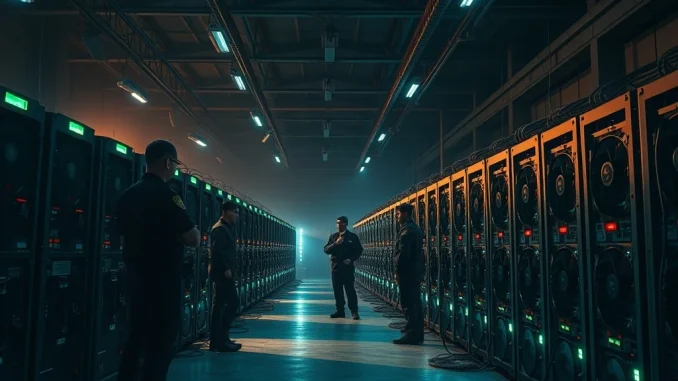
Russian authorities recently executed a massive crackdown, seizing over 8,000 illegal crypto miners in Irkutsk, Siberia. This significant operation underscores the nation’s escalating efforts to combat unauthorized cryptocurrency activities. The move signals a robust governmental response to the energy strain and economic challenges posed by illicit mining. Consequently, this development holds profound implications for the future of digital asset operations within the country.
Russia Crypto Miners Face Unprecedented Crackdown
Authorities in Russia have intensified their campaign against illicit cryptocurrency operations. Specifically, they targeted Irkutsk, a Siberian region known for its affordable electricity. This recent seizure of over 8,000 illegal crypto miners marks a significant victory for law enforcement. Reports from Cryptopolitan confirm the scale of this extensive operation. The crackdown primarily aims to curb energy theft and stabilize the region’s power grid. Moreover, it sends a clear message to those operating outside legal frameworks.
Irkutsk’s appeal to miners stems from its abundant hydroelectric power. This power source offers some of the lowest electricity rates globally. However, unauthorized mining facilities often overload local power grids. They draw massive amounts of energy without proper registration or payment. Therefore, these illegal activities lead to frequent power outages and infrastructure damage. The government views such actions as a direct threat to public services and economic stability. This recent action reflects a broader national strategy to control energy consumption. It also seeks to regulate the burgeoning cryptocurrency sector more effectively.
Understanding Illegal Crypto Mining Operations
Illegal crypto mining typically involves several key characteristics. First, operators often connect to the power grid without official permits. Second, they bypass electricity meters to avoid paying for consumed energy. Third, these operations frequently occur in residential areas or abandoned industrial buildings. Such locations pose significant fire risks due to the intense heat generated by mining rigs. Furthermore, the sheer volume of electricity consumed by thousands of machines can overwhelm local substations. This leads to system failures and blackouts for legitimate consumers.
The financial impact of illegal mining is substantial. Energy companies suffer massive revenue losses from unpaid electricity bills. Local governments also miss out on potential tax revenues from legitimate mining operations. In addition, the environmental footprint of these unregulated activities raises concerns. They contribute to increased carbon emissions if powered by fossil fuels, or simply strain existing green energy sources. Therefore, combating illegal crypto mining is crucial for both economic and environmental sustainability. Authorities are committed to dismantling these illicit networks.
Rosfinmonitoring’s Stance on Russian Crypto Regulations
Russia’s Federal Financial Monitoring Service, known as Rosfinmonitoring, plays a pivotal role in shaping the nation’s crypto landscape. This agency has actively pushed for stricter regulations concerning digital assets. Notably, Rosfinmonitoring announced in April its intent to introduce criminal penalties for illicit crypto miners. This move signifies a hardening stance against unregulated activities. The agency’s primary goal is to prevent money laundering and terrorist financing through cryptocurrencies. Moreover, it seeks to bring all crypto-related activities under state control.
The proposed penalties target individuals and entities involved in large-scale illegal mining. They aim to deter future unauthorized operations. Rosfinmonitoring emphasizes the need for transparency and accountability in the crypto space. Consequently, they advocate for a comprehensive legal framework. This framework would define legal mining, taxation, and the responsibilities of crypto operators. The ongoing discussions highlight Russia’s complex relationship with cryptocurrencies. On one hand, the government acknowledges their potential. On the other hand, it prioritizes national security and economic stability above all else. These Russian crypto regulations are evolving rapidly.
The Push for Stricter Crypto Penalties
The proposed criminal penalties represent a significant escalation in Russia’s fight against illicit crypto activities. Previously, penalties primarily involved administrative fines or civil liabilities. Now, individuals caught engaging in large-scale illegal mining could face severe legal consequences. These may include substantial fines, asset forfeiture, and even imprisonment. The severity of the penalties will likely depend on the scale of the operation and the amount of energy stolen. This legislative push reflects a global trend among nations to regulate the crypto sector more rigorously. Governments worldwide are grappling with the challenges of digital currencies.
The motivation behind these stricter crypto penalties is multi-faceted. First, authorities aim to curb energy theft, which burdens the national grid. Second, they seek to reduce the environmental impact of unregulated mining. Third, they want to prevent cryptocurrencies from being used in criminal enterprises. Rosfinmonitoring believes that robust legal tools are essential for effective oversight. They are working closely with other government bodies to finalize these new laws. The implementation of such penalties could significantly alter the risk assessment for illegal miners in Russia. It represents a formidable deterrent.
The Broader Impact of Irkutsk Crypto Seizure
The recent Irkutsk crypto seizure has ripple effects beyond the immediate region. It underscores Russia’s commitment to enforcing its energy and financial regulations. The operation’s success provides a blueprint for similar crackdowns in other parts of the country. This sends a strong message to all unauthorized operators. They can expect increased scrutiny and severe consequences. Furthermore, the seizure helps alleviate the strain on Irkutsk’s power infrastructure. This improves energy stability for residents and legitimate businesses.
Economically, the crackdown aims to recover lost revenues from energy theft. It also seeks to channel future mining activities into regulated, taxable frameworks. This shift could potentially generate significant income for the state budget. Moreover, it promotes a more orderly and predictable environment for digital asset investors. The government’s actions demonstrate a clear intent to bring the wild west of crypto mining under control. They are prioritizing national interests over unregulated speculation. This proactive approach sets a precedent for future enforcement actions across Russia.
Future of Crypto Mining in Russia
The future of crypto mining in Russia appears bifurcated: legitimate operations may thrive, while illicit ones face severe pressure. The government has expressed interest in developing a regulated mining industry. They envision it contributing to the national economy and leveraging Russia’s energy resources. However, this development hinges on the establishment of clear legal frameworks and proper taxation. Businesses willing to comply with regulations could find opportunities. They might benefit from Russia’s vast energy reserves and cold climate, which is ideal for cooling mining equipment.
Conversely, the path for illegal miners is becoming increasingly difficult. The intensified crackdowns and looming criminal penalties signal a hostile environment for unauthorized activities. Rosfinmonitoring’s efforts to introduce stringent regulations are likely to continue. They aim to create a transparent and secure digital asset ecosystem. Ultimately, Russia seeks to harness the potential of blockchain technology while mitigating its associated risks. The nation is moving towards a more controlled and regulated crypto future. This will shape how digital assets integrate into its economy.
In conclusion, the seizure of over 8,000 illegal crypto miners in Irkutsk represents a pivotal moment for Russia’s cryptocurrency landscape. This action, coupled with Rosfinmonitoring’s push for criminal penalties, clearly signals the government’s resolve. Russia is determined to bring all digital asset activities under strict regulatory oversight. The ongoing crypto mining crackdown underscores a national effort to protect energy infrastructure, prevent financial crimes, and establish a more orderly market. These developments will undoubtedly shape the future of crypto operations within the vast nation.
Frequently Asked Questions (FAQs)
1. Why is Irkutsk a hotspot for illegal crypto mining?
Irkutsk offers some of the lowest electricity rates in Russia, primarily due to its abundant hydroelectric power. This makes it an attractive location for energy-intensive crypto mining operations, both legal and illegal.
2. What makes crypto mining illegal in Russia?
Crypto mining becomes illegal when operators bypass official permits, steal electricity, or fail to register their activities and pay taxes. Unauthorized connections to the power grid are a primary concern for authorities.
3. What is Rosfinmonitoring’s role in this crackdown?
Rosfinmonitoring, Russia’s Federal Financial Monitoring Service, is a key agency advocating for stricter regulations and criminal penalties against illicit crypto miners. They aim to combat money laundering and ensure financial transparency.
4. What new penalties could illegal crypto miners face in Russia?
New proposals suggest criminal penalties for large-scale illicit mining. These could include significant fines, asset forfeiture, and even imprisonment, depending on the severity of the offense and the energy stolen.
5. How does illegal crypto mining impact Russia’s energy infrastructure?
Illegal mining operations overload local power grids, leading to frequent power outages, infrastructure damage, and financial losses for energy companies. They draw massive amounts of energy without proper payment or regulation.
6. What is the long-term outlook for crypto mining in Russia?
Russia aims to develop a regulated mining industry while cracking down on illicit activities. Legitimate operations may find opportunities under clear legal frameworks, leveraging the country’s energy resources and cold climate for efficient operations.