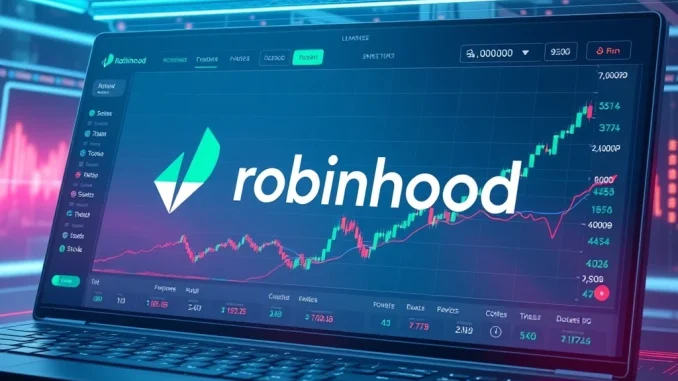
Robinhood is making waves in the crypto space with its latest expansion into tokenized stocks, perpetual futures, and staking services. This bold move signals the platform’s commitment to bridging traditional finance with decentralized assets. Let’s break down what this means for traders in the EU and U.S.
Robinhood’s Tokenized Stocks: A Game Changer for EU Investors
The trading platform now offers EU users access to tokenized versions of popular stocks and ETFs. This innovative approach combines the familiarity of traditional equities with blockchain’s efficiency. Key features include:
- 24/7 trading of fractional stock tokens
- Direct exposure to real-world assets on blockchain
- Seamless integration with crypto portfolios
Perpetual Futures Trading via Bitstamp Partnership
Robinhood’s collaboration with Bitstamp brings perpetual futures to European traders. This derivatives product allows:
- Leveraged positions without expiration dates
- Hedging opportunities in volatile markets
- Access to crypto markets with traditional brokerage tools
Building on Arbitrum: Robinhood’s Layer-2 Solution
The company is developing its own layer-2 network on Arbitrum to support real-world asset tokenization. This infrastructure aims to:
- Reduce transaction costs for tokenized assets
- Improve settlement speeds
- Enhance scalability for future offerings
U.S. Customers Gain Ethereum and Solana Staking
American users receive new ways to earn passive income through:
- Ethereum staking rewards
- Solana staking options
- Integrated crypto tax tools for easier reporting
Frequently Asked Questions
What are tokenized stocks?
Tokenized stocks are blockchain representations of traditional equities that track the underlying asset’s price while offering crypto-native features.
Can U.S. users access tokenized stocks?
Currently, tokenized stocks are only available to EU customers due to regulatory considerations.
How does Robinhood’s layer-2 network work?
The Arbitrum-based solution processes transactions off the main Ethereum chain for faster, cheaper operations while maintaining security.
What are the risks of perpetual futures?
Perpetual futures carry leverage risks and funding rate considerations that traders should understand before participating.