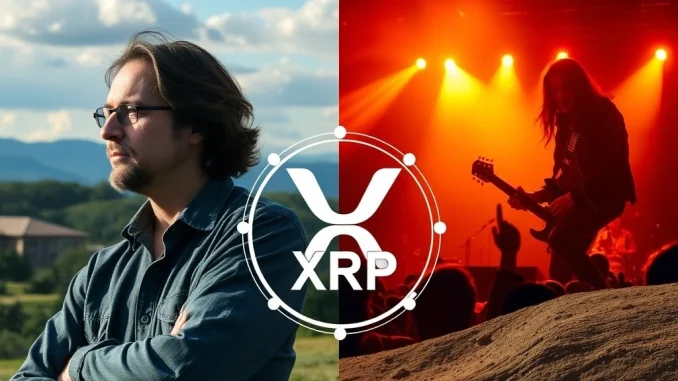
In an unexpected revelation that has sparked conversations across the digital realm, Ripple CTO David Schwartz recently made a candid admission about a past incident unrelated to blockchain technology. He confessed to fabricating parts of a 2001 virtual Q&A session featuring rock legend Ozzy Osbourne. For anyone following the dynamic world of cryptocurrencies, especially those invested in XRP, such disclosures from high-profile figures naturally raise questions about corporate integrity and potential market reactions. However, in this unique case, the confession has had a surprisingly minimal XRP market impact, leaving the digital asset’s value stable.
What Did Ripple CTO David Schwartz Confess?
David Schwartz, the Chief Technology Officer at Ripple, publicly acknowledged his regret regarding his involvement in editing and fabricating content during a 2001 online Q&A session. This event, hosted by WebMaster, aimed to connect Ozzy Osbourne with his dedicated Black Sabbath fanbase. Schwartz detailed his actions in a recent X post, revealing that he altered Osbourne’s responses and even invented questions. His motivation? To distribute fan attention more evenly among band members, preventing the Q&A from solely focusing on Ozzy.
Schwartz described the process as inauthentic, stating, “I cheated. To me personally, it was a failure, but to everyone else it was a success.” He clarified that while filtering explicit language is standard practice in such events, the deliberate fabrication of questions and selective presentation of answers constituted a clear breach of ethical guidelines for fan interactions. This admission has resurfaced amid broader discussions about corporate transparency, particularly within the cryptocurrency sector.
Why Did the Ozzy Osbourne Q&A Incident Occur?
The 2001 virtual Q&A was designed to offer fans a direct line to Ozzy Osbourne. However, Schwartz’s actions were driven by a desire to ensure that other Black Sabbath band members also received attention during the session. He felt that an unfiltered Q&A might disproportionately highlight Osbourne, overshadowing his bandmates. While his intent might have been to create a more balanced interaction, the method involved manipulating the content, which ultimately compromised the event’s integrity and the authenticity of the fan experience.
This incident, though two decades old and entirely separate from Ripple’s current blockchain operations, highlights the nuanced ethical considerations involved in managing public interactions, even in nascent digital environments. It serves as a reminder that actions, even those with seemingly good intentions, can have long-term ethical implications.
Did This Affect XRP Market Impact?
One of the most crucial aspects for the crypto community, especially XRP holders, is the financial fallout from such high-profile admissions. Ripple’s official statement on the matter explicitly highlighted that Schwartz’s confession has had no financial impact on the company or XRP markets. XRP values have remained remarkably stable, showing no notable shifts in market sentiment following the disclosure.
Key observations regarding the market and regulatory response include:
- Stable XRP Values: The price of XRP has not experienced any significant volatility or decline directly linked to this revelation.
- No Operational Changes: Ripple has not reported any operational adjustments, compliance modifications, or structural reforms tied to Schwartz’s personal admission.
- Regulatory Silence: Regulatory bodies such as the SEC and CFTC have not issued any statements or responses concerning the incident.
- Industry Leader Disinterest: Major industry leaders have largely remained silent, indicating that they perceive this as a personal historical note rather than a material business risk for Ripple.
This lack of market reaction underscores that the disclosure is seen as a personal reflection from a prominent figure, rather than an issue directly impacting Ripple’s core business operations or the utility of XRP.
What Does This Mean for Crypto Transparency?
While the incident itself is historical and unrelated to Ripple’s blockchain technology, Schwartz’s willingness to publicly disclose a past ethical lapse aligns with broader industry trends toward increased crypto transparency and accountability. The cryptocurrency sector, often under scrutiny for its nascent regulatory frameworks and past controversies, is increasingly prioritizing openness.
Mixed reactions within the crypto community reflect this evolving landscape:
- Critics: Some argue the revelation is trivial, especially when compared to Ripple’s ongoing legal challenges, such as those with the SEC.
- Supporters: Others view it as a positive sign of leadership’s openness to self-critique and a commitment to transparency, even if it pertains to personal history.
Such disclosures, even of seemingly minor historical missteps, can serve as reference points for ongoing discussions on corporate responsibility and building user trust in a rapidly evolving digital finance landscape. It highlights that transparency is becoming a multi-faceted expectation, extending beyond financial reporting to the personal conduct of key figures.
Navigating Legacy and Reputational Risks in the Blockchain Era
The Ripple CTO’s admission brings to light the unique challenges of managing reputational risks, especially when past actions, even those unrelated to current operations, can resurface and influence public perception. For Ripple, this incident serves as a subtle reminder of the importance of maintaining ethical standards in both historical and present endeavors.
The fact that this confession, while personal, comes from a leader at a company under significant regulatory scrutiny, amplifies its significance. However, the company has not indicated plans for policy changes or governance reforms tied to this specific event. The lack of regulatory or market repercussions suggests that the disclosure is perceived as a personal reflection rather than a direct business risk.
Ultimately, this episode underscores the complex interplay between personal history, corporate image, and the industry’s push for greater transparency. As the blockchain industry matures, such introspective disclosures from its leaders may contribute to building a more robust and trustworthy ecosystem.
Conclusion
Ripple CTO David Schwartz’s confession about fabricating a 2001 Ozzy Osbourne Q&A is a peculiar footnote in the digital history books. While it offers a fascinating glimpse into the early days of online fan engagement and the ethical dilemmas encountered, its most striking aspect for the cryptocurrency world is its negligible XRP market impact. This incident, while a personal reflection for Schwartz, reinforces the growing emphasis on crypto transparency and corporate accountability within the blockchain sector. It demonstrates that while past actions can resurface, the market’s response is often calibrated by relevance to current operations and financial stability, allowing Ripple and XRP to remain unaffected by this candid look back in time.
Frequently Asked Questions (FAQs)
Q1: What exactly did Ripple CTO David Schwartz admit to?
David Schwartz admitted to editing and fabricating content during a 2001 virtual Q&A session with rock icon Ozzy Osbourne. This included altering Osbourne’s responses and inventing questions to distribute fan attention more evenly among band members.
Q2: Why did David Schwartz fabricate the Q&A content?
Schwartz stated his actions were motivated by a desire to prevent the Q&A from overshadowing other Black Sabbath band members, aiming for a more balanced interaction, though he acknowledges it was an ethical breach.
Q3: Did this admission affect XRP’s market value or Ripple’s operations?
No, Ripple’s statement confirmed that Schwartz’s admission has had no financial impact on the company or XRP markets. XRP values remain stable, and there have been no notable shifts in market sentiment or operational changes at Ripple.
Q4: How have regulatory bodies reacted to this revelation?
Regulatory bodies such as the SEC and CFTC have not publicly responded to the revelation, and industry leaders have not commented on its implications, suggesting they view it as a personal historical matter rather than a regulatory concern.
Q5: What does this incident signify for crypto transparency?
While the incident is unrelated to blockchain, Schwartz’s willingness to disclose a historical misstep aligns with broader industry trends toward increased crypto transparency and accountability. It serves as a point of discussion for corporate responsibility and user trust in the evolving digital finance sector.