The promise of tokenized real estate has long captivated the crypto world: democratizing property investment, enabling fractional ownership, and unlocking liquidity for real-world assets (RWAs). However, recent developments involving RealT, a prominent RWA issuer, have cast a chilling shadow over this optimistic vision. Allegations of a staggering $2.72 million fraud related to tokenized Detroit homes are sending shockwaves through the industry, forcing a critical re-evaluation of trust, transparency, and regulation within the burgeoning RWA market. This isn’t just a cautionary tale; it’s a stark reminder of the inherent risks when innovation outpaces accountability.
Unpacking the RealT Lawsuits: Allegations of Deception
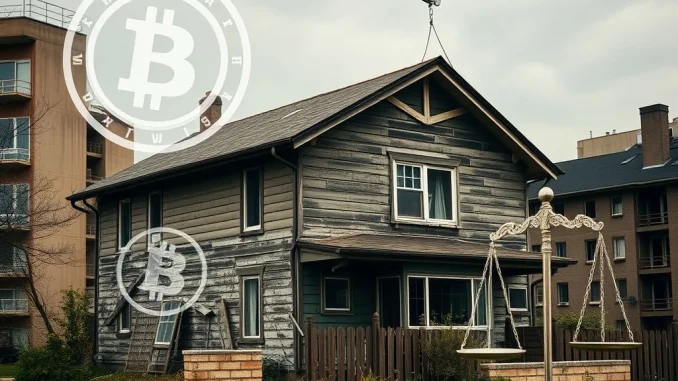
RealT, a Florida-based company, finds itself embroiled in multiple lawsuits that paint a troubling picture of alleged misconduct. The core accusation? Selling tokenized shares in 39 Detroit homes that the company reportedly never legally owned. Investors, drawn by the allure of fractional access to rental income streams from these properties, now face the grim reality that many of the homes are either vacant or in disrepair, severely impacting their expected returns.
The lawsuits allege fraud, misrepresentation, and violations of securities laws. Key points of contention include:
- Phantom Properties: RealT allegedly marketed and sold tokenized shares representing ownership in properties without completing the necessary title transfers. This means investors’ capital was tied to assets the company didn’t legally possess.
- Misuse of Funds: Claims suggest that investor capital was purportedly used to sustain payouts, rather than genuinely generating returns from actual rental income. This raises serious concerns about the sustainability and legitimacy of the investment model.
- Discrepancy in Value: The $2.72 million raised from investors starkly contrasts with the homes’ estimated market value of just $1.1 million, highlighting a significant overvaluation or lack of due diligence.
These revelations have led many to question whether RealT’s operations resembled a Ponzi-like scheme, where new investor funds are used to pay off earlier investors, rather than relying on legitimate asset-generated income.
The Broader Implications for the RWA Market
The RealT scandal isn’t an isolated incident; it’s a tremor that exposes structural weaknesses within the wider RWA market. While the concept of tokenizing real-world assets holds immense potential, this case underscores the critical need for robust verification, transparent processes, and stringent regulatory oversight. Investor skepticism has naturally intensified, with some anonymous investors likening the situation to a “Ponzi/Madoff-type scheme.”
The incident highlights several critical challenges:
- Due Diligence Deficiencies: The discrepancy between funds raised and property value points to a severe lack of proper due diligence by the platform and, arguably, by some investors.
- Operational Integrity: Over 400 additional properties linked to RealT are reportedly under investigation for code and tax violations, further compounding doubts about the company’s operational integrity and asset management capabilities.
- Merging Worlds: Successfully merging traditional real estate management with blockchain technology requires expertise in areas like property maintenance, tenant relations, and regulatory compliance—areas where many Web3 startups may lack experience. Properties in economically distressed neighborhoods, like some of those in Detroit, come with additional complexities such as rent control and blight citations, further straining financial returns.
This situation forces a necessary, albeit painful, introspection for the entire RWA sector: How can the industry ensure that the underlying physical assets are legitimate, well-managed, and truly representative of the tokenized shares?
Understanding Tokenized Real Estate: Promises vs. Perils
Tokenized real estate aims to revolutionize property investment by breaking down traditional barriers. Here’s a quick look at its potential benefits and the perils exposed by the RealT case:
| Potential Benefits of Tokenized Real Estate | Perils Highlighted by RealT |
|---|---|
| Fractional Ownership: Allows investors to buy small parts of high-value assets. | Non-existent Ownership: Tokens sold for properties not legally owned by the issuer. |
| Increased Liquidity: Easier to buy and sell fractional shares than whole properties. | Illiquidity & Devaluation: Assets vacant, in disrepair, making tokens worthless. |
| Global Accessibility: Lowers entry barriers for international investors. | Lack of Transparency: No robust verification or third-party audits of underlying assets. |
| Reduced Costs: Eliminates intermediaries and associated fees. | Operational Incompetence: Poor property management, regulatory non-compliance. |
The RealT incident serves as a stark reminder that the technology itself (blockchain) doesn’t guarantee integrity. The real-world processes and legal frameworks underpinning the assets are paramount.
Addressing Crypto Fraud: The Regulatory Vacuum
A significant factor contributing to incidents like RealT’s alleged fraud is the current regulatory landscape. The U.S. Securities and Exchange Commission (SEC) has yet to establish a comprehensive and cohesive framework specifically for tokenized assets. This regulatory vacuum often creates a self-regulated environment, which, while fostering innovation, can also become ripe for exploitation and crypto fraud.
In contrast, regions like Europe, under the Markets in Crypto-Assets (MiCA) regulation, are imposing stricter disclosure requirements and clearer guidelines for tokenized assets. This divergence in global approaches highlights the urgent need for clarity and consistency to protect investors and foster legitimate growth in the RWA sector. The RealT lawsuits could very well set critical precedents for how courts and regulators assess liability and responsibility in future RWA projects, potentially shaping the sector’s evolution for years to come.
Rebuilding Trust in Detroit Homes and Beyond
The long-term success of the RWA market hinges on its ability to address these fundamental challenges and rebuild investor confidence. This means prioritizing transparency, accurate asset representation, and unwavering compliance with local laws and regulations. RealT’s missteps serve as a powerful cautionary tale, illustrating the dire need for rigorous governance and operational accountability from all RWA platforms.
For the vision of democratizing real estate investment through tokenization to truly materialize, platforms must implement:
- Independent Audits: Regular, third-party audits of both the digital tokens and the underlying physical assets.
- Clear Legal Frameworks: Ensuring all property transfers and ownership structures are legally sound and transparent.
- Experienced Management: Employing professionals with proven expertise in traditional real estate management, including maintenance, tenant relations, and local regulatory compliance.
- Robust Due Diligence: Implementing strict vetting processes for all properties and ensuring accurate valuation.
As courts dissect RealT’s alleged practices, their rulings will undoubtedly influence the trajectory of RWA markets, determining whether tokenization can fulfill its promise of democratizing real estate investment without compromising integrity.
Conclusion: A Wake-Up Call for the RWA Ecosystem
The RealT lawsuits are a sobering reminder that the innovative promise of blockchain technology must be anchored by real-world accountability and stringent oversight. While tokenized real estate offers exciting possibilities, the alleged $2.72 million fraud underscores the critical need for investors to exercise extreme caution and for platforms to uphold the highest standards of transparency and legal compliance. This incident is a pivotal moment for the RWA market, urging all stakeholders to prioritize robust governance, regulatory clarity, and investor protection to ensure its sustainable and trustworthy growth.
Frequently Asked Questions (FAQs)
Q1: What is Real-World Asset (RWA) tokenization?
A1: RWA tokenization involves representing ownership of physical assets (like real estate, art, or commodities) as digital tokens on a blockchain. This aims to increase liquidity, enable fractional ownership, and streamline transactions.
Q2: What are the main allegations against RealT?
A2: RealT is accused of selling tokenized shares in 39 Detroit homes that it allegedly never legally owned, defrauding investors of $2.72 million. The lawsuits claim misrepresentation, fraud, and violations of securities laws, with funds purportedly used to sustain payouts rather than from actual rental income.
Q3: How does this RealT case impact investor confidence in the RWA market?
A3: The RealT lawsuits have significantly eroded investor confidence, highlighting the risks of fraud, lack of due diligence, and operational mismanagement in the RWA sector. It underscores the need for greater transparency and regulatory clarity.
Q4: What are the regulatory challenges facing tokenized assets like those from RealT?
A4: A major challenge is the lack of a comprehensive regulatory framework for tokenized assets, particularly in the U.S. (SEC). This creates a self-regulated environment prone to exploitation. Divergent global approaches, like Europe’s MiCA, also add complexity.
Q5: What should investors consider before investing in tokenized real estate?
A5: Investors should conduct thorough due diligence, verify the legal ownership of underlying assets, scrutinize the platform’s operational history and management team, look for independent audits, and understand the regulatory environment. Be wary of promises that seem too good to be true.