BlackRock, the world’s largest asset manager, recently made headlines. Its CEO, Larry Fink, delivered a powerful statement. He declared that the era of real-world asset tokenization has just begun. This pronouncement signals a profound shift. It captures the attention of investors, technologists, and financial institutions worldwide. Fink’s vision suggests a future where every asset, from towering skyscrapers to corporate bonds, could exist as a digital token on a blockchain. This represents a monumental change for global finance.
Larry Fink’s Vision: The Unfolding Era of Digital Assets
Larry Fink, a titan in the financial industry, has consistently demonstrated foresight. His latest comments underline a growing conviction. He believes that the tokenization of all assets is not merely a possibility. Rather, it is an inevitable evolution. “We are just beginning the era of tokenization of all assets,” Fink stated. This includes everything from real estate to stocks and bonds. This perspective comes from a leader managing over $10 trillion in assets. Therefore, his words carry immense weight. They often predict broader market trends.
Historically, BlackRock has shown a cautious yet strategic approach to emerging technologies. However, their recent embrace of digital assets marks a turning point. Fink’s remarks are more than just an observation. They represent a clear strategic direction for one of the most influential financial firms. This shift could redefine investment landscapes globally. It signals a move towards greater efficiency and accessibility in financial markets. Many experts now watch closely to see how this vision unfolds.
Decoding Real-World Asset Tokenization
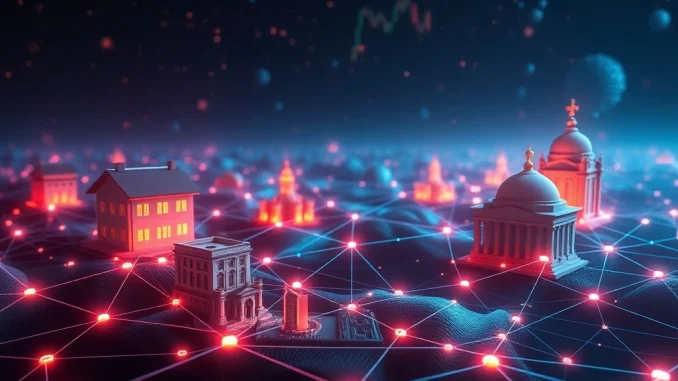
Understanding real-world asset tokenization is crucial. It is a process that converts rights to an asset into a digital token on a blockchain. This digital representation carries verifiable ownership information. It also includes other relevant data. Essentially, it transforms a tangible or intangible asset into a programmable digital unit.
- What is Tokenization? It involves creating a digital token. This token represents a share or full ownership of a physical asset.
- How it Works: The asset’s details are recorded on a blockchain. Smart contracts automate various processes. These include ownership transfer and dividend distribution.
- Scope of Assets: This technology applies to a vast range of assets. It covers real estate, fine art, commodities, intellectual property, and even private equity.
This innovative approach leverages blockchain’s inherent properties. It offers immutability, transparency, and security. Consequently, it creates a more efficient and liquid market for assets. The potential applications are incredibly broad. They promise to revolutionize how we perceive and interact with value.
Revolutionary Benefits: Why Tokenization Matters
The appeal of real-world asset tokenization stems from several transformative benefits. These advantages address long-standing inefficiencies in traditional finance. They also open new avenues for investment and wealth creation.
- Enhanced Liquidity: Many traditional assets, like real estate, are illiquid. Tokenization breaks them into smaller, tradable units. This makes them easier to buy and sell. It effectively transforms illiquid assets into highly liquid digital instruments.
- Fractional Ownership: High-value assets are often out of reach for average investors. Tokenization allows fractional ownership. For example, multiple investors can collectively own a portion of a commercial building. This lowers entry barriers significantly. It democratizes access to exclusive investment opportunities.
- Increased Transparency and Efficiency: Blockchain technology provides an immutable record of ownership and transactions. This transparency reduces fraud and errors. Smart contracts automate processes. They eliminate the need for costly intermediaries. This results in faster settlements and lower operational costs.
- Global Accessibility: Tokenized assets can be traded 24/7 on global digital platforms. This overcomes geographical and time-zone limitations. It fosters a truly global marketplace for all asset classes.
These benefits collectively pave the way for a more inclusive and dynamic financial system. They promise to unlock vast amounts of capital currently tied up in inefficient markets.
BlackRock’s Strategic Play in Digital Assets
BlackRock’s journey into digital assets has been evolving. Initially, the firm showed skepticism towards cryptocurrencies. However, its stance has shifted dramatically. This evolution reflects a deeper understanding of blockchain’s potential. It also acknowledges the growing demand for digital investment products.
The approval and launch of BlackRock’s spot Bitcoin ETF (IBIT) marked a significant milestone. It signaled the firm’s serious commitment to the crypto space. This move was not just about Bitcoin. It was a precursor to a broader strategy. This strategy involves integrating blockchain technology into mainstream finance. Larry Fink sees tokenization as the next logical step. It aligns with BlackRock’s mission to provide innovative investment solutions. It also helps clients navigate complex markets. The firm aims to leverage blockchain for efficiency and transparency. They also seek to expand investment opportunities.
BlackRock’s entry into BlackRock tokenization lends immense credibility to the sector. When a financial behemoth like BlackRock commits to a technology, it often encourages widespread institutional adoption. This could accelerate the mainstream acceptance of tokenized assets. It validates the underlying technology and its long-term viability.
Impact on the Future of Finance and Traditional Markets
The widespread adoption of real-world asset tokenization will profoundly reshape the future of finance. It will challenge existing structures and create new paradigms. The implications extend across various facets of the financial ecosystem.
- Disruption of Intermediaries: Blockchain’s peer-to-peer nature can reduce reliance on traditional intermediaries. Banks, brokers, and custodians may see their roles evolve. They might shift towards providing infrastructure or specialized services for digital assets.
- New Investment Products: Tokenization facilitates the creation of novel financial instruments. We could see tokenized funds, fractionalized debt instruments, and new forms of structured products. These could offer tailored risk-return profiles.
- Market Efficiency: Faster settlement times, often seconds or minutes, will replace traditional T+2 or T+3 cycles. This reduces counterparty risk and frees up capital. It enhances overall market efficiency.
- Evolution of Capital Markets: Both primary and secondary markets will transform. Companies could raise capital more easily through tokenized securities offerings. Secondary trading of these tokens would occur on global, permissionless or permissioned platforms.
This transformative potential indicates a more streamlined, accessible, and resilient financial system. It promises to democratize finance on an unprecedented scale.
Navigating the Complexities: Challenges and Opportunities
While the promise of real-world asset tokenization is vast, several challenges remain. Addressing these will be critical for its successful widespread adoption. Navigating these complexities also presents significant opportunities for innovation.
- Regulatory Frameworks: The lack of clear and harmonized regulations is a major hurdle. Jurisdictions globally are grappling with how to classify and oversee tokenized assets. Regulatory clarity is essential for institutional confidence and investor protection.
- Technological Scalability and Interoperability: Current blockchain networks need to scale to handle the massive volume of transactions. They must also achieve interoperability. Different blockchains need to communicate seamlessly. This will ensure a cohesive digital asset ecosystem.
- Security Concerns: The security of digital assets is paramount. Custody solutions, smart contract audits, and protection against cyber threats are crucial. Ensuring robust security measures will build trust among participants.
- Market Adoption: Overcoming the inertia of traditional finance is a significant task. Educating investors and institutions about the benefits and risks of tokenization is vital. Developing user-friendly platforms will also drive adoption.
These challenges, while significant, are actively being addressed by innovators and policymakers. Solutions will pave the way for a more robust and secure tokenized future.
Investor Implications: Seizing the Tokenization Wave
For investors, the rise of real-world asset tokenization presents a new frontier. It offers both exciting opportunities and unique considerations. Understanding these implications is key to navigating this evolving landscape.
- Diversification Opportunities: Investors can gain exposure to asset classes previously difficult to access. This includes private equity, luxury goods, or specific real estate projects. Tokenization enables broader portfolio diversification.
- Risk and Reward: As a nascent market, tokenized assets may carry higher volatility. Early adopters could see substantial returns. However, they must also understand the inherent risks associated with new technologies and markets.
- Due Diligence: Thorough research is more important than ever. Investors must understand the underlying asset, the blockchain platform, and the regulatory compliance of any tokenized offering. Evaluating the issuer’s credibility is also vital.
The ability to invest in smaller increments opens doors for a wider range of investors. This democratization of access could reshape personal wealth management strategies. It truly represents a significant shift in investment paradigms.
Larry Fink’s declaration is a powerful endorsement. It confirms that real-world asset tokenization is moving from concept to reality. BlackRock’s involvement provides institutional validation. It suggests a future where digital assets underpin much of global finance. This transformative era promises enhanced liquidity, greater transparency, and broader access to investments. As this vision unfolds, the future of finance will undoubtedly be more dynamic and inclusive. Investors and financial institutions must prepare for this revolutionary shift.
Frequently Asked Questions (FAQs)
Q1: What exactly does Larry Fink mean by ‘tokenization of all assets’?
A1: Larry Fink suggests that in the future, all types of assets, both physical (like real estate) and financial (like stocks and bonds), will be represented as digital tokens on a blockchain. This would allow for easier, more transparent, and more efficient trading and ownership.
Q2: How does real-world asset tokenization benefit everyday investors?
A2: Tokenization can democratize access to high-value assets. It allows for fractional ownership, meaning investors can buy small portions of expensive assets. It also increases liquidity, making it easier to buy and sell these investments quickly.
Q3: What role does BlackRock play in this tokenization trend?
A3: As the world’s largest asset manager, BlackRock’s endorsement and active participation lend significant credibility to tokenization. Their strategic moves, like launching Bitcoin ETFs and exploring tokenized funds, signal a serious institutional commitment to integrating digital assets into mainstream finance.
Q4: Are there any risks associated with investing in tokenized real-world assets?
A4: Yes, like any emerging market, there are risks. These include regulatory uncertainty, technological risks (e.g., smart contract vulnerabilities), market volatility, and the need for robust security and custody solutions. Investors should conduct thorough due diligence.
Q5: How will tokenization impact traditional financial institutions?
A5: Tokenization could disrupt traditional intermediaries by streamlining processes and reducing the need for some services. However, it also presents opportunities for these institutions to adapt, offer new digital asset services, and leverage blockchain for enhanced efficiency.
Q6: What types of assets are currently being tokenized, or are likely to be in the near future?
A6: Currently, real estate, art, commodities, and various forms of debt and equity are being tokenized. In the near future, the scope is expected to expand significantly to include intellectual property, private funds, and even unique collectibles, as the technology matures and regulatory clarity improves.