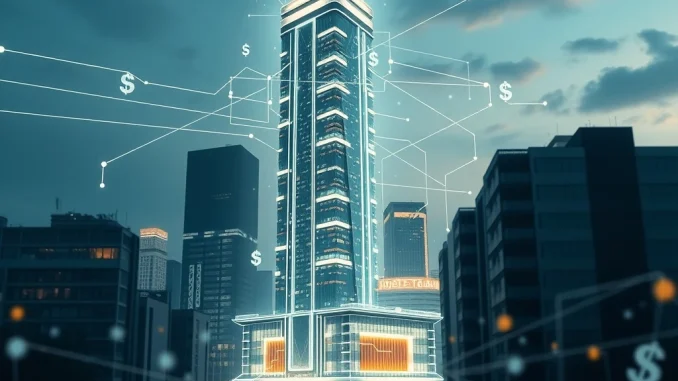
The world of finance is constantly evolving, and the intersection of traditional assets with blockchain technology is creating unprecedented opportunities. At the forefront of this revolution is Real Estate Tokenization, a groundbreaking movement that promises to reshape how we invest in physical assets. Japan’s banking giant, MUFG Bank, is making headlines with a monumental step, tokenizing an Osaka high-rise in a move valued at over 100 billion yen. This isn’t just a local transaction; it’s a bold statement about the future of finance, bringing digital securities to both institutional powerhouses and everyday retail investors.
In a significant development for the global financial landscape, Mitsubishi UFJ Trust and Banking Corporation, a division of Japan’s leading financial group MUFG Bank, has announced ambitious plans to tokenize a high-rise building in Osaka. This impressive property, valued at more than 100 billion yen (approximately $6.81 billion), will be transformed into digital securities, opening up new avenues for investment. The bank’s strategy is two-pronged: initially offering a private real estate investment trust (REIT) to institutional players like life insurance companies, while simultaneously exploring broader access for retail investors through strategic partnerships with blockchain platforms such as Progmat. This innovative approach underscores MUFG’s commitment to leveraging blockchain technology for enhanced efficiency, democratized access, and increased liquidity in real estate investments.
Unlocking Value: The Power of Real Estate Tokenization
What exactly is Real Estate Tokenization, and why is it gaining such traction? Simply put, it’s the process of converting ownership rights of a physical property into digital tokens on a blockchain. Each token represents a fractional share of the underlying asset, making real estate investments more accessible and liquid than ever before. For an asset as substantial as an Osaka high-rise, tokenization offers several compelling benefits:
- Fractional Ownership: Historically, investing in commercial real estate required significant capital. Tokenization allows investors to buy small, affordable pieces of a property, lowering entry barriers for a wider range of participants.
- Enhanced Liquidity: Traditional real estate is illiquid; selling a property can take months or even years. Tokenized assets, traded on blockchain platforms, can be bought and sold much more quickly, potentially creating a secondary market with near real-time settlement.
- Reduced Transaction Costs: By streamlining processes and cutting out intermediaries, tokenization can significantly lower fees associated with property transfers, legal processes, and due diligence.
- Increased Transparency: Blockchain’s immutable ledger provides a clear, verifiable record of ownership and transactions, enhancing trust and reducing fraud.
MUFG’s move is a prime example of how traditional financial institutions are embracing this technology to modernize asset management and unlock previously untapped value in the real estate sector.
MUFG Bank’s Strategic Play: Bridging Traditional Finance and Blockchain
MUFG Bank, through its trust banking division, is not just dipping its toes into the water; it’s making a profound leap. Their dual-track strategy is particularly noteworthy. By first targeting institutional investors with a private REIT, they are building a robust foundation and demonstrating the viability of tokenized assets within established financial frameworks. This approach allows them to:
- Establish a scalable model and regulatory compliance.
- Attract large-scale capital from sophisticated investors.
- Gain valuable operational experience before wider rollout.
Simultaneously, their partnership with Progmat, a leading firm in Real World Asset (RWA) tokenization, is key to expanding access to retail investors. Progmat’s expertise will facilitate the sale of tokens representing foreign real estate, a pivotal step in bridging traditional finance with decentralized infrastructure. This positions MUFG Bank as a pioneer, actively shaping the future of investment rather than merely observing it.
The Rise of Digital Securities: A New Era for Investment
The tokenization of the Osaka high-rise is a significant milestone in the broader emergence of Digital Securities. Unlike volatile cryptocurrencies, digital securities are blockchain-based representations of traditional assets like real estate, bonds, or equity, and are typically regulated securities. They combine the efficiency and transparency of blockchain with the legal frameworks and investor protections of traditional finance.
For investors, digital securities offer:
- Global Access: They can be traded across borders more easily, expanding investment opportunities.
- Programmability: Smart contracts can automate various aspects of ownership, such as dividend distribution, voting rights, or compliance checks.
- Efficiency: Reduced settlement times and administrative overhead compared to traditional paper-based systems.
MUFG’s initiative validates the potential of digital securities to transform illiquid assets into tradable instruments, paving the way for a more dynamic and inclusive global investment landscape.
Real World Assets (RWA) Go Global: What This Means for Investors
The tokenization of the Osaka high-rise is a powerful testament to the growing trend of RWA digitization. Real World Assets refer to any tangible or intangible asset that exists outside the blockchain but is brought onto it through tokenization. This includes everything from real estate and art to commodities and intellectual property. The RWA sector is one of the fastest-growing areas in blockchain, as it connects the vast value of the traditional economy with the efficiency and innovation of decentralized finance (DeFi).
For investors, the increasing tokenization of RWAs means:
- Diversification: Access to new asset classes that were previously difficult or impossible to invest in directly.
- New Investment Strategies: Opportunities to combine traditional asset exposure with DeFi yield strategies.
- Increased Market Efficiency: As more RWAs are tokenized, markets become more interconnected and efficient.
MUFG’s project not only boosts the RWA market in Japan but also sets a precedent for other global financial institutions, signaling a significant shift towards a tokenized future for various asset classes.
Navigating the Future: Challenges and Opportunities in Tokenized Real Estate
While the promise of Tokenized Real Estate is immense, the path forward is not without its challenges. Analysts highlight several key areas that will determine the long-term success and widespread adoption of such projects:
- Regulatory Clarity: Evolving compliance frameworks across different jurisdictions can create complexities. Consistent and clear regulations are crucial for investor confidence.
- Technical Robustness: Smart contract vulnerabilities and cybersecurity risks must be rigorously addressed to protect investor assets.
- Data Privacy: Ensuring the privacy of sensitive investor and asset data on a public blockchain requires careful implementation.
- Market Trust and Education: Building confidence in tokenized assets, especially for secondary trading, demands robust transparency and comprehensive investor education. Many traditional investors are still unfamiliar with blockchain technology.
Despite these hurdles, the opportunities are compelling. The ability to lower entry barriers, enhance liquidity, and streamline asset management positions tokenized real estate as a transformative force. MUFG’s dual-track strategy, combining institutional REITs with retail-focused token sales, strategically addresses market segments while demonstrating the tangible benefits of reduced transaction times and expanded market reach. The long-term viability of this project will depend on its ability to consistently deliver these benefits while maintaining strict alignment with regulatory standards.
Conclusion: A Glimpse into the Future of Finance
MUFG Bank’s ambitious move to tokenize an Osaka high-rise marks a pivotal moment in the convergence of traditional finance and blockchain technology. By transforming a substantial real estate asset into Digital Securities, the bank is not only democratizing access for both institutional and retail investors but also setting a new benchmark for the future of Real Estate Tokenization. This initiative showcases the immense potential of RWA digitization to unlock liquidity, reduce costs, and create more inclusive investment opportunities globally. While challenges remain in the regulatory and technical spheres, MUFG’s leadership provides a compelling vision for how Tokenized Real Estate can reshape investment portfolios and redefine asset ownership in the digital age. This bold step from one of Japan’s financial giants signals a clear message: the future of finance is digital, fractional, and accessible to all.
Frequently Asked Questions (FAQs)
What is real estate tokenization?
Real estate tokenization is the process of converting ownership rights of a physical property into digital tokens on a blockchain. Each token represents a fractional share of the property, allowing for easier, more liquid, and more accessible investment in real estate.
How does MUFG Bank plan to offer these digital securities?
MUFG Bank is employing a dual approach. They will first offer a private real estate investment trust (REIT) to institutional investors like life insurance companies. Simultaneously, they are partnering with blockchain platforms like Progmat to facilitate broader access for retail investors, including the ability to buy tokenized foreign real estate.
What are the primary benefits of tokenizing real estate?
Key benefits include enhanced liquidity (easier and faster buying/selling), fractional ownership (allowing smaller investments), reduced transaction costs by cutting out intermediaries, and increased transparency through blockchain’s immutable ledger.
What challenges does tokenized real estate face?
Challenges include navigating evolving regulatory frameworks, addressing potential smart contract vulnerabilities and cybersecurity risks, ensuring data privacy, and building widespread market trust through investor education and robust transparency.
Who is Progmat, and what is their role in this initiative?
Progmat is a firm specializing in Real World Asset (RWA) tokenization. In this initiative, Progmat will facilitate the sale of tokens representing foreign real estate to retail investors, playing a crucial role in bridging traditional finance with decentralized infrastructure and expanding market access.
Is this a global trend or unique to Japan?
While MUFG’s move is a significant development in Japan, real estate tokenization and the broader digitization of Real World Assets (RWAs) are a growing global trend. Financial institutions worldwide are exploring and implementing similar projects to modernize asset classes and leverage blockchain technology for increased efficiency and accessibility.