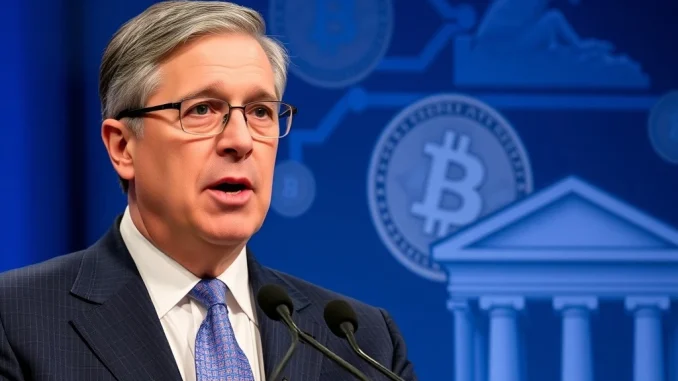
In a groundbreaking statement, Federal Reserve Chair Jerome Powell has confirmed that banks can now offer crypto services—but only if they prioritize financial safety. This move could reshape the future of crypto banking. Here’s what you need to know.
What Did Powell Say About Banks and Crypto Services?
Jerome Powell clarified that banks are permitted to engage with the crypto industry, provided they maintain the safety and soundness of the financial system. This opens doors for traditional financial institutions to explore crypto-related activities under strict regulatory oversight.
Why Is Financial Safety Critical for Crypto Banking?
- Risk Mitigation: Crypto markets are volatile, and banks must implement safeguards.
- Regulatory Compliance: Institutions must adhere to anti-money laundering (AML) and know-your-customer (KYC) rules.
- Consumer Protection: Ensuring customer funds remain secure is a top priority.
How Will This Impact the Crypto Industry?
With banks entering the space, crypto adoption could accelerate. However, stricter regulations may also emerge to ensure financial stability.
What’s Next for Banks Offering Crypto Services?
Banks will likely proceed cautiously, balancing innovation with compliance. The Federal Reserve’s stance signals a shift toward integrating crypto into mainstream finance—safely.
Final Thoughts: A New Era for Crypto and Banking
Powell’s announcement marks a pivotal moment. While banks now have the green light to explore crypto services, financial safety remains non-negotiable. The future of crypto banking looks promising—but only if done right.
Frequently Asked Questions (FAQs)
1. Can all banks now offer crypto services?
Yes, but they must comply with Federal Reserve guidelines to ensure financial safety.
2. What types of crypto services can banks provide?
Potential services include custody, trading, and payment solutions—all under regulatory scrutiny.
3. Will this lead to more crypto regulation?
Likely. Increased bank involvement may prompt stricter oversight to protect consumers.
4. How does this benefit crypto investors?
Greater institutional participation could bring stability and legitimacy to the crypto market.