The relationship between foundational blockchain protocols and their expanding ecosystems is crucial. However, recent statements from prominent figures signal a potential rift. This raises critical questions about support for vital projects. Specifically, **Polygon Ethereum** builders voice growing concerns about perceived neglect. Are these sentiments indicative of a broader issue within the crypto space?
Sandeep Nailwal’s Concerns Regarding Ethereum Foundation Support
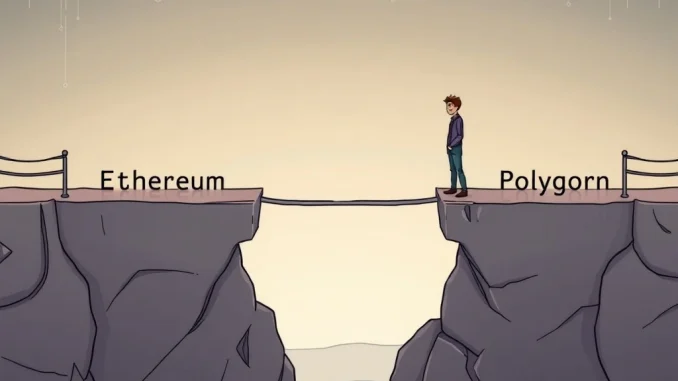
Sandeep Nailwal, co-founder of Polygon (POL), recently shared his frustrations on X. He stated that his loyalty to Ethereum is indeed wavering. This marks a significant development. Nailwal emphasized a lack of direct support from the **Ethereum Foundation** and its community. Instead, he described facing various forms of obstruction. This perspective offers a candid look at the challenges faced by large-scale projects building on Ethereum.
Nailwal believes Polygon’s valuation would be significantly higher if it had launched as a Layer 1 blockchain. He estimated it could be two to five times greater. This suggests a perceived disadvantage in its current position. Furthermore, Nailwal highlighted a lack of recognition. He noted that the Ethereum community often does not acknowledge Polygon as a true Layer 2. Similarly, the broader market does not fully integrate Polygon into the Ethereum ecosystem. For example, Polymarket’s success is often credited to Ethereum. Yet, Polygon’s own achievements are frequently treated as entirely separate entities.
The Broader Impact of Perceived Neglect on Layer 2 Support
The sentiments expressed by **Sandeep Nailwal** are not isolated. They resonate with other prominent **crypto ecosystem builders**. Andre Cronje, co-founder of Sonic Labs (formerly Fantom), echoed these concerns. He expressed confusion regarding the Ethereum Foundation’s support structure. Cronje detailed his own experiences. He burned over 700 ETH on Ethereum deployment and infrastructure. Despite this significant investment, he never received any support or feedback from the foundation. This highlights a critical disconnect.
Cronje contrasted this with his experiences in the newer Sonic ecosystem. Many teams contributing to Sonic now receive various forms of assistance. This includes business development, funding, audits, and marketing. Such comprehensive support is essential for growth. Therefore, the absence of similar backing from the Ethereum Foundation for established builders like Polygon raises serious questions. It impacts innovation and morale within the broader ecosystem.
The Importance of Strong Layer 2 Support for Ethereum’s Future
The success of **Layer 2 support** systems is paramount for Ethereum’s scalability and long-term viability. Layer 2 solutions, like Polygon, offload transactions from the mainnet. This reduces gas fees and increases transaction speeds. They are vital for enhancing user experience and driving mass adoption. If key Layer 2 projects feel neglected, it could hinder overall ecosystem growth. A strong, collaborative relationship benefits all parties. It ensures the continued evolution and competitiveness of the entire Ethereum network.
These criticisms serve as a wake-up call for the **Ethereum Foundation**. They must re-evaluate their engagement strategies with major ecosystem contributors. Providing clear pathways for support, recognition, and collaboration is essential. It fosters a more inclusive and productive environment. This proactive approach can prevent further disillusionment among builders. Ultimately, it strengthens Ethereum’s position as a leading blockchain platform.
Ensuring a Thriving Crypto Ecosystem for Builders
The concerns raised by Sandeep Nailwal and Andre Cronje underscore a vital need. The **crypto ecosystem builders** require consistent and transparent support. Their innovations drive the industry forward. Without adequate backing, these builders may seek opportunities elsewhere. This could fragment development efforts. It might also divert talent and resources from the Ethereum network. A thriving ecosystem depends on mutual respect and active collaboration.
Addressing these issues requires a concerted effort. The Ethereum Foundation could consider several initiatives: establishing clearer communication channels, creating dedicated support programs for large-scale Layer 2s, and publicly recognizing their contributions. Such measures would reinforce trust and commitment. They would also ensure that the foundational vision of Ethereum continues to expand and flourish through its vital Layer 2 networks.
FAQs
Q1: What are Sandeep Nailwal’s main criticisms regarding Ethereum?
A1: Sandeep Nailwal, Polygon co-founder, stated his loyalty to Ethereum is wavering. He cited a lack of direct support and faced obstruction from the Ethereum Foundation and community. He also believes Polygon’s valuation suffers from not being recognized as a true Layer 2 or part of the Ethereum ecosystem.
Q2: Who is Andre Cronje, and what were his similar sentiments?
A2: Andre Cronje is the co-founder of Sonic Labs (formerly Fantom). He echoed Nailwal’s concerns, noting he spent significant ETH on Ethereum deployment without any support or feedback from the foundation. He contrasted this with the support received by teams in the newer Sonic ecosystem.
Q3: Why is Layer 2 support crucial for Ethereum?
A3: Layer 2 solutions are vital for Ethereum’s scalability. They reduce transaction costs and increase speed by processing transactions off-chain. Strong Layer 2 support enhances user experience and drives mass adoption, which is essential for Ethereum’s long-term success.
Q4: How could the Ethereum Foundation address these concerns?
A4: The Ethereum Foundation could address these concerns by establishing clearer communication channels, creating dedicated support programs for major Layer 2 projects, and publicly recognizing their contributions. This would foster a more collaborative and supportive environment for builders.
Q5: What impact could these criticisms have on the broader crypto ecosystem?
A5: These criticisms could lead to disillusionment among crypto ecosystem builders. It might cause projects to seek alternative platforms or divert resources away from Ethereum. This could potentially fragment development efforts and hinder overall innovation within the ecosystem.