In a groundbreaking move, the Philippines has adopted Polygon blockchain to secure and verify official government documents, setting a new standard for digital governance. This initiative aims to combat fraud and enhance transparency in public administration.
How the Philippines Uses Polygon Blockchain for Document Security
The Department of Budget and Management (DBM) launched this system on July 30, 2025. Key features include:
- Real-time verification of documents like Special Allotment Release Orders
- Tamper-proof validation through cryptographic hashes stored on Polygon
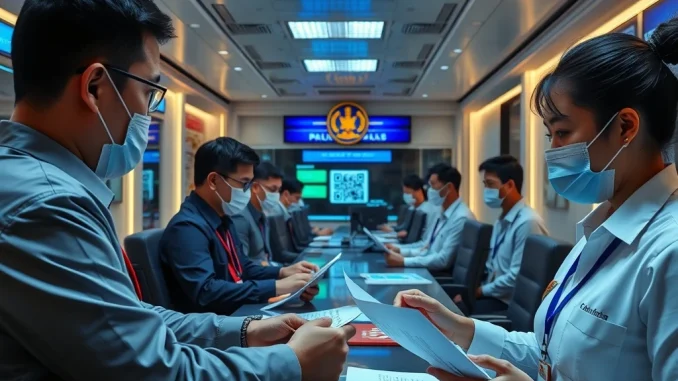
- QR code scanning or reference code entry for authenticity checks
Why Blockchain Verification Matters for Government Documents
With rising AI-generated forgeries, blockchain provides:
| Benefit | Impact |
|---|---|
| Immutable records | Prevents document tampering |
| Transparency | Builds public trust in government |
| Efficiency | Reduces verification time |
Challenges in Implementing Blockchain for Digital Governance
The launch coincided with a brief Polygon network disruption, highlighting:
- Need for resilient blockchain infrastructure
- Importance of redundancy in critical systems
- Ongoing maintenance requirements
The Future of Blockchain in Government Services
This initiative positions the Philippines as a leader in adopting emerging technologies for public administration. The government plans to expand its digital strategy to include:
- AI-enhanced blockchain security
- Data privacy verification technologies
- More connected digital ecosystems
By leveraging Polygon blockchain, the Philippines demonstrates how governments can modernize operations while increasing accountability and public trust. This model could inspire similar implementations worldwide.
Frequently Asked Questions
What types of documents are secured on the Polygon blockchain?
The system currently verifies Special Allotment Release Orders and Notices of Cash Allocation, with plans to expand to other government documents.
How does the verification process work?
Users can scan QR codes or enter reference codes through an official portal to confirm document authenticity without exposing sensitive data.
What happens if the Polygon network experiences downtime?
While core functionality remained operational during the recent disruption, the government is working on redundancy solutions to ensure continuous service.
How does this compare to other government blockchain projects?
The Philippines’ implementation is notable for its focus on document verification at scale, unlike many pilot programs in other countries.
What security measures protect against document forgery?
The system uses cryptographic hashes stored on Polygon’s immutable ledger, making alterations immediately detectable.