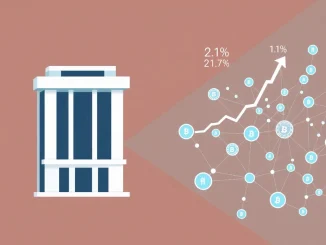
The Philippines stands at a pivotal moment, considering a groundbreaking proposal that could reshape public finance. Senator Bam Aquino has advocated for recording the nation’s budget expenditures on **blockchain technology**. This visionary idea aims to foster unprecedented **government transparency** and accountability, directly addressing long-standing public concerns.
Senator Bam Aquino’s Bold Vision for Philippine Blockchain
Philippine Senator Bam Aquino recently proposed a significant shift in how the national budget operates. He suggested leveraging **blockchain technology** to record all government expenditures. This move, reported by Decrypt, signals a growing interest in innovative solutions for public administration. However, it is important to note that no formal bill has yet been introduced on this matter. Nevertheless, the advocacy itself opens a crucial discussion about digitalizing government processes.
Senator Aquino’s proposal highlights a desire for greater accountability. He believes that by using a decentralized ledger, the public can gain clearer insights. This approach could significantly reduce opportunities for corruption and mismanagement. Furthermore, it empowers citizens to monitor how their taxes are spent. This initiative represents a forward-thinking step for the **Philippine blockchain** ecosystem, potentially setting a global precedent.
Why Blockchain for the National Budget? Enhancing Government Transparency
The core of Senator Aquino’s proposal lies in blockchain’s inherent characteristics. This technology offers a unique combination of features perfectly suited for managing public funds. Indeed, its application could fundamentally change the landscape of **government transparency**. Here are key reasons why blockchain is considered a powerful tool:
- Immutability: Once a transaction is recorded on a blockchain, it cannot be altered or deleted. This ensures a permanent, tamper-proof record of all expenditures.
- Transparency: All validated transactions are visible to every participant on the network. This allows for real-time monitoring of how funds are allocated and spent.
- Decentralization: No single entity controls the entire network. This reduces the risk of single points of failure or manipulation.
- Auditability: The transparent and immutable nature of blockchain makes auditing processes much simpler and more efficient. Auditors can easily trace funds from their origin to their final destination.
Implementing a **national budget blockchain** would mean every peso spent by government agencies becomes verifiable. This level of scrutiny can build immense public trust. Ultimately, it ensures that public funds serve their intended purpose, benefiting citizens directly.
The Global Landscape: Blockchain Technology in Governance
The Philippines is not alone in exploring blockchain for governmental applications. Many nations and local authorities worldwide are investigating similar uses for **blockchain technology**. For instance, some countries are piloting blockchain for land registries, identity management, and voting systems. Estonia, a pioneer in digital governance, already uses blockchain for various public services, securing health records and legal documents. Dubai has also expressed ambitions to become the world’s first blockchain-powered government.
These global examples demonstrate the versatility and potential of blockchain beyond cryptocurrencies. They show that governments can adopt this technology to enhance efficiency and security. Moreover, they provide valuable case studies for the **Philippine blockchain** initiative. Learning from these experiences can help the Philippines tailor a robust and effective system for its **national budget blockchain**.
Potential Impact of a National Budget Blockchain in the Philippines
Adopting a **national budget blockchain** could bring profound benefits to the Philippines. Primarily, it promises to revolutionize public accountability. Citizens could access detailed expenditure reports with unprecedented ease. This increased access would foster a more informed and engaged populace. Furthermore, it could significantly deter corruption, a persistent challenge in many developing nations.
The system could also streamline administrative processes. Automation through smart contracts, for example, could ensure funds are released only when specific conditions are met. This reduces bureaucratic delays and improves efficiency. Ultimately, this leads to better service delivery for the Filipino people. Enhanced **government transparency** also attracts foreign investment, as it signals a commitment to good governance and stability.
Challenges and Considerations for Implementation
While the vision for a **Philippine blockchain** budget is compelling, significant challenges remain. Implementing such a large-scale system requires careful planning and execution. First, establishing the necessary technical infrastructure is crucial. This involves robust cybersecurity measures and high computational capacity. Second, developing a comprehensive legal and regulatory framework is essential. This framework must define data privacy, access rights, and dispute resolution mechanisms.
Moreover, public education and adoption are vital. Citizens and government employees alike must understand how the system works. Training programs will be necessary to ensure smooth operation. Finally, securing political will and cross-party support will be paramount. Without broad consensus, even the most innovative proposals can falter. Addressing these considerations systematically will pave the way for successful implementation of a **national budget blockchain**.
The Road Ahead for Blockchain Technology in Philippine Governance
Senator Aquino’s advocacy marks an important first step. The next phase would likely involve the introduction of a formal bill. This bill would then undergo legislative scrutiny, debate, and refinement. Subsequently, pilot programs might be initiated to test the feasibility and effectiveness of blockchain in specific government departments. These pilot projects would provide valuable data and insights, allowing for iterative improvements before a nationwide rollout.
The successful integration of **blockchain technology** into the national budget system would solidify the Philippines’ position as a leader in digital governance. It offers a powerful tool for achieving greater accountability and public trust. While the journey is complex, the potential rewards for **government transparency** and efficiency are substantial. The nation watches with anticipation as this innovative proposal unfolds.
Frequently Asked Questions (FAQs)
What is Senator Bam Aquino’s proposal regarding the national budget?
Senator Bam Aquino has advocated for recording the Philippine national budget expenditures on blockchain technology. He believes this will enhance government transparency and accountability.
Why is blockchain considered suitable for managing the national budget?
Blockchain offers immutability, transparency, decentralization, and enhanced auditability. These features make it ideal for creating a tamper-proof and publicly verifiable record of all government spending, promoting greater public trust.
Has a formal bill been introduced for this Philippine blockchain initiative?
No, a formal bill proposing the recording of the national budget on blockchain has not yet been introduced. Senator Aquino’s statements represent an advocacy rather than an active legislative process at this stage.
What are the main benefits of using blockchain for government transparency?
The primary benefits include increased public trust, reduced corruption, streamlined administrative processes, real-time expenditure monitoring, and improved efficiency in public fund allocation. It empowers citizens with clearer insights into how their taxes are spent.
What challenges might the Philippines face in implementing a national budget blockchain?
Key challenges include establishing robust technical infrastructure, developing comprehensive legal and regulatory frameworks, ensuring public and government employee education and adoption, and securing broad political will and support for the initiative.
Are other countries using blockchain for similar government functions?
Yes, several countries and regions are exploring or already using blockchain for various government functions, such as land registries, identity management, and securing public records. Estonia and Dubai are notable examples in this field.