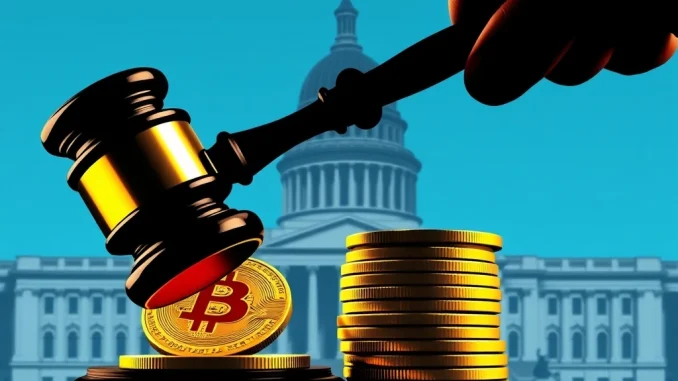
A significant legislative development is unfolding in Pennsylvania. House Bill 1812 (HB1812) aims to introduce a sweeping **Pennsylvania crypto ban** for public officials. This proposed legislation seeks to prevent those in public service, along with their immediate families, from holding various forms of digital assets. Consequently, this move could reshape how state employees manage their personal finances, especially concerning emerging technologies.
Understanding HB1812’s Core Proposals
Pennsylvania’s HB1812 outlines strict new rules for public officials. Specifically, it targets a wide range of digital assets. These include Bitcoin, other cryptocurrencies, non-fungible tokens (NFTs), stablecoins, and related financial products. Therefore, the bill covers almost all popular forms of digital wealth. Officials must divest all such **digital asset holdings** within two months of taking office. Furthermore, they would remain barred from crypto for one year after leaving their positions. Violations could lead to severe penalties, including potential jail time, as U.Today reported.
- Scope: Public officials and their immediate family members.
- Assets Covered: Bitcoin, cryptocurrencies, NFTs, stablecoins, and related financial products.
- Divestment Period: Two months from assuming office.
- Post-Office Ban: One year after leaving public service.
- Consequences: Potential jail time for violations.
Implications for Public Officials and Their Families
This proposed ban carries substantial implications for individuals serving the public. Firstly, it directly impacts their financial autonomy. Many public servants might already possess **public officials crypto** assets as part of their investment portfolios. They would face forced liquidation, potentially at unfavorable market conditions. Additionally, the ban extends to immediate family members. This broad reach could create complex compliance challenges. For instance, a spouse or child might hold crypto, necessitating disclosure and divestment. This requirement underscores the bill’s comprehensive nature and its potential reach into personal finances.
The Broader Debate on Cryptocurrency Regulation
HB1812 does not exist in a vacuum. Rather, it reflects a growing global discussion about **cryptocurrency regulation**. Governments worldwide are grappling with how to oversee digital assets. Concerns often center on market volatility, consumer protection, and potential conflicts of interest. Some argue that public officials holding crypto could create perceived or actual conflicts. For example, a lawmaker owning a significant amount of Bitcoin might face questions when voting on crypto-related legislation. This bill, therefore, aims to mitigate such risks by enforcing a clear separation. However, critics often point to the potential for stifling innovation or infringing on personal investment freedoms.
Precedents and Arguments Surrounding a Crypto Ban
The idea of a **crypto ban** for public servants is not entirely new. Other jurisdictions and ethical guidelines sometimes restrict certain investments for public officials. These restrictions typically aim to prevent insider trading or undue influence. However, applying such broad restrictions to digital assets like Bitcoin is a relatively novel approach. Proponents of HB1812 might argue that digital assets present unique challenges due to their decentralized nature and often opaque ownership. Conversely, opponents could contend that a blanket ban is overly broad. They might suggest that existing conflict-of-interest laws are sufficient. They could also argue that singling out crypto, while allowing other speculative investments, is discriminatory. Therefore, the debate involves complex legal and ethical considerations.
What’s Next for the Pennsylvania Crypto Bill?
The future of **HB1812** remains uncertain. It must navigate the full legislative process. This involves committee hearings, debates, and votes in both chambers of the Pennsylvania legislature. Public input and lobbying efforts from various interest groups will undoubtedly play a role. The cryptocurrency industry, in particular, may voice strong opposition to such a restrictive measure. Conversely, advocacy groups focused on government ethics might support the bill. Its progression will be closely watched by those interested in both public policy and the evolving landscape of digital asset regulation across the United States. The outcome could set a precedent for other states considering similar measures.
In conclusion, Pennsylvania’s proposed **crypto ban** for public officials marks a significant moment in the ongoing debate over digital asset integration into traditional financial and ethical frameworks. The bill’s strict provisions highlight a desire for increased transparency and reduced potential conflicts of interest within government. As the legislative process unfolds, its implications for public service and the broader cryptocurrency market will become clearer. This development underscores the increasing scrutiny faced by digital assets from policymakers.
Frequently Asked Questions (FAQs)
Q1: What exactly does Pennsylvania’s HB1812 propose?
HB1812 proposes a ban on public officials and their immediate family members from holding various digital assets. These include Bitcoin, other cryptocurrencies, NFTs, stablecoins, and related financial products. Officials would need to divest these **digital asset holdings** within two months of taking office.
Q2: Who would be affected by this proposed **Pennsylvania crypto ban**?
The ban would affect all public officials in Pennsylvania and their immediate family members. This broad scope ensures a comprehensive approach to preventing potential conflicts of interest related to digital assets.
Q3: What happens if a public official violates the proposed ban?
According to U.Today’s report, violations of the proposed ban could lead to severe consequences. These include potential jail time, underscoring the serious nature of the legislation.
Q4: Why is Pennsylvania considering this **public officials crypto** ban?
The bill likely aims to prevent potential conflicts of interest and maintain public trust. By restricting officials’ digital asset holdings, the state seeks to ensure that personal financial interests do not influence policy decisions related to **cryptocurrency regulation**.
Q5: How does **HB1812** compare to regulations in other states or countries?
While some jurisdictions have rules about public officials’ investments, a blanket ban specifically on a wide range of digital assets like this is relatively new. It reflects an evolving approach to managing the ethical implications of emerging technologies within government.