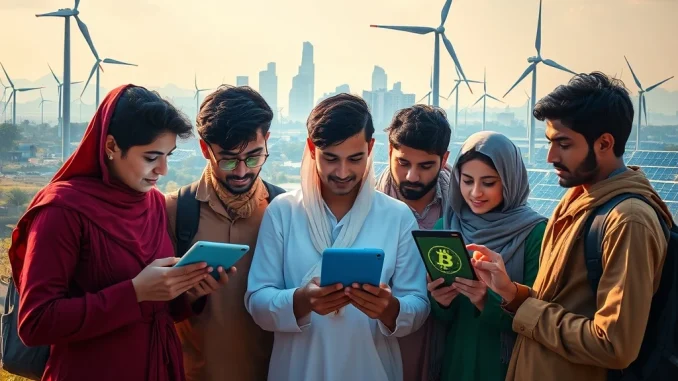
Imagine a nation where the median age is barely past 20, brimming with tech-savvy youth, and boasting a massive surplus of energy. Now, picture this nation becoming a major player in the global cryptocurrency arena. This isn’t a futuristic fantasy; it’s the unfolding reality in Pakistan, a country rapidly emerging as a beacon for Bitcoin adoption and crypto mining. Recent developments highlight how Pakistan’s unique demographic and energy advantages are fueling a remarkable surge in its digital asset landscape, positioning it for significant influence in the global crypto space.
Pakistan Bitcoin: A New Digital Frontier
Pakistan stands at the cusp of a digital revolution, largely driven by its exceptionally young and dynamic population. With a median age of just 20.6 years, the country possesses a vast pool of tech-savvy individuals eager to explore and embrace new technologies, including digital assets. This demographic dividend is already evident, with an estimated 40 million crypto wallets already active across the nation. This significant number underscores a pervasive interest and a foundational user base ready to propel the growth of Pakistan Bitcoin and other cryptocurrencies.
The youth’s natural inclination towards digital platforms and their quick adaptability to new financial paradigms are critical factors. Unlike older generations, young Pakistanis are less tethered to traditional banking systems, often finding them cumbersome or inaccessible. Cryptocurrencies, with their promise of decentralization, lower transaction fees, and greater accessibility, resonate deeply with this demographic. This inherent digital literacy and a growing entrepreneurial spirit are key ingredients in fostering a vibrant crypto ecosystem, making Pakistan a fascinating case study in rapid digital asset integration.
Powering the Future: Pakistan’s Crypto Mining Ambitions
Beyond its human capital, Pakistan holds a significant ace up its sleeve: an impressive surplus energy capacity. The country boasts an estimated 10,000 megawatts of excess electricity, a substantial portion of which often goes unutilized, incurring high carrying costs for the national grid. Recognizing this untapped potential, the Pakistani government has strategically earmarked 2,000 MW specifically for energy-intensive operations like crypto mining and AI data centers. This move transforms a former liability into a valuable asset, generating revenue and promoting economic activity.
A crucial aspect of this strategy involves repurposing ‘stranded energy’ sources, such as methane gas. Methane, a potent greenhouse gas often released from landfills, agricultural waste, or remote gas wells, can be captured and used to generate electricity. By converting this otherwise wasted energy into power for Bitcoin mining, Pakistan aims to create a more sustainable and environmentally conscious crypto ecosystem. This approach not only reduces energy waste but also aligns with global efforts toward greener blockchain operations, potentially positioning Pakistan as a leader in sustainable mining practices. The economic rationale is clear: by redirecting underutilized power to productive uses like mining, the country can reduce waste while generating substantial revenue, enhancing energy security and economic resilience.
Bitcoin Adoption: Regulatory Milestones and Global Partnerships
The burgeoning interest in digital assets has prompted Pakistan’s government to establish a robust regulatory framework to guide and support this growth. In November 2024, the government introduced comprehensive crypto regulations, a landmark step that signals its serious commitment to the sector. A cornerstone of these measures is the establishment of the National Crypto Council. This council’s mandate is multifaceted: it aims to license and regulate cryptocurrency exchanges, develop a strategic national Bitcoin reserve, and even explore the feasibility of a national stablecoin. These initiatives seek to strike a crucial balance between fostering innovation and ensuring investor protection, thereby cultivating a transparent and secure environment for digital finance.
State Minister of Crypto and Blockchain, Bilal Bin Saqib, has vocally emphasized that Pakistan’s unique demographic and energy profile positions it to become a formidable leader in the global crypto space. This vision is further bolstered by strategic international collaborations. A pioneering agreement forged in July 2025 with El Salvador, a nation already renowned for its Bitcoin-centric policies, marks a significant milestone. This partnership, notably between two economies operating under IMF programs, focuses on sharing invaluable expertise in digital asset infrastructure, energy-efficient mining, and educational programs. Both nations aspire to leverage blockchain technology as a powerful tool for economic resilience, collectively forging a network of Bitcoin-forward economies that can learn from and support one another in the evolving digital landscape, accelerating global Bitcoin adoption.
Economic Transformation: Financial Inclusion through Digital Assets Pakistan
The economic implications of widespread Bitcoin adoption in Pakistan are profound, particularly for financial inclusion. A significant portion of Pakistan’s population—approximately 35%—remains unbanked, lacking access to traditional financial services. For this segment, Bitcoin and other digital assets offer a compelling alternative, providing pathways to participate in the global economy. This is especially true for young entrepreneurs, freelancers, and small business owners who can now engage in cross-border transactions and receive remittances with unprecedented ease, often bypassing the high fees and slow processing times associated with conventional banking systems.
The rising rates of smartphone penetration and digital literacy among the youthful workforce are accelerating this shift. Cryptocurrencies are increasingly embedding themselves into daily financial activities, enabling faster, cheaper, and more accessible financial interactions. From sending money to family abroad to receiving payments for online work, digital assets Pakistan are democratizing finance, empowering individuals who were previously marginalized by traditional systems. This shift has the potential to unlock significant economic opportunities, foster innovation, and contribute to a more inclusive and robust national economy.
Navigating the Path: Challenges for Pakistan Crypto Growth
While Pakistan’s crypto journey is filled with immense potential, it is not without its hurdles. The country’s energy infrastructure, while boasting a surplus, is also prone to volatility and disruptions, particularly during the monsoon season. Such fluctuations pose significant risks to continuous mining operations, which require stable and consistent power. Furthermore, the government has yet to establish clear and comprehensive environmental guidelines for the crypto sector. This regulatory gap raises legitimate concerns about the long-term sustainability of mining operations, especially regarding their carbon footprint and resource consumption. Advocates stress the urgent need for frameworks that effectively balance energy availability with robust ecological safeguards.
Another challenge lies in the prevalence of informal mining operations scattered across the country. While these indicate organic growth, they also highlight a pressing need for centralized oversight and regulation to ensure compliance and prevent illicit activities. Critics also caution against potential regulatory missteps, drawing parallels to past economic bubbles, emphasizing the need for prudent and well-thought-out policies. For sustained Pakistan crypto growth, success hinges on robust public-private collaboration to streamline energy access, enhance infrastructure, and ensure regulatory compliance, mitigating risks while maximizing the benefits of this promising sector.
Conclusion: Pakistan’s Ascendancy in the Digital Asset Arena
The convergence of youthful innovation, a burgeoning tech-savvy population, and an abundant energy surplus presents a compelling and unique case for Bitcoin’s transformative role in Pakistan’s economic evolution. The nation’s strategic initiatives, from establishing comprehensive regulations and a National Crypto Council to forging international partnerships with pioneers like El Salvador, underscore a clear vision for embracing digital finance. While challenges such as energy volatility and the need for clear environmental guidelines persist, Pakistan’s proactive approach and its inherent advantages position it to become a model for emerging markets in the global crypto landscape. By diligently addressing infrastructure gaps and environmental concerns, Pakistan has the extraordinary potential to convert its demographic dividend and energy wealth into a formidable competitive advantage, truly unlocking its promise as a significant player in the future of digital assets.
Frequently Asked Questions (FAQs)
Q1: What are the primary drivers of Bitcoin adoption in Pakistan?
The main drivers include Pakistan’s large, young, and tech-savvy population with a median age of 20.6 years, combined with an estimated 40 million crypto wallets. Additionally, the country’s significant surplus energy capacity provides a strong foundation for sustainable crypto mining, making digital assets highly accessible and attractive.
Q2: How is the Pakistani government regulating cryptocurrencies?
In November 2024, Pakistan introduced comprehensive crypto regulations, including the establishment of the National Crypto Council. This council is tasked with licensing crypto exchanges, developing a strategic Bitcoin reserve, and exploring the creation of a national stablecoin, aiming to balance innovation with investor protection.
Q3: What role does Pakistan’s energy surplus play in its crypto strategy?
Pakistan has an estimated 10,000 megawatts of surplus energy, with 2,000 MW earmarked for Bitcoin mining and AI data centers. The government is focused on repurposing stranded energy sources like methane to power these operations, transforming a cost liability into revenue generation and promoting greener blockchain activities.
Q4: How does Bitcoin adoption contribute to financial inclusion in Pakistan?
With 35% of its population unbanked, Bitcoin offers an alternative for financial inclusion. It facilitates easier cross-border transactions and remittances, particularly benefiting young entrepreneurs and freelancers by bypassing traditional banking barriers. High smartphone penetration and digital literacy further accelerate this shift.
Q5: What are the main challenges facing Pakistan’s crypto growth?
Key challenges include energy volatility and monsoon-related disruptions impacting mining operations. The lack of clear environmental guidelines raises concerns about sustainability. Additionally, the prevalence of informal mining operations necessitates centralized oversight and a structured approach to ensure regulatory compliance and prevent missteps.
Q6: What is the significance of Pakistan’s partnership with El Salvador regarding Bitcoin?
The July 2025 agreement with El Salvador is a pioneering partnership between two IMF-program economies. It focuses on sharing expertise in digital asset infrastructure, energy-efficient mining, and educational programs. This collaboration aims to leverage blockchain for economic resilience, fostering a network of Bitcoin-forward nations.