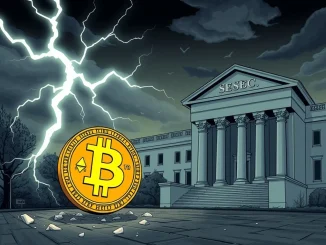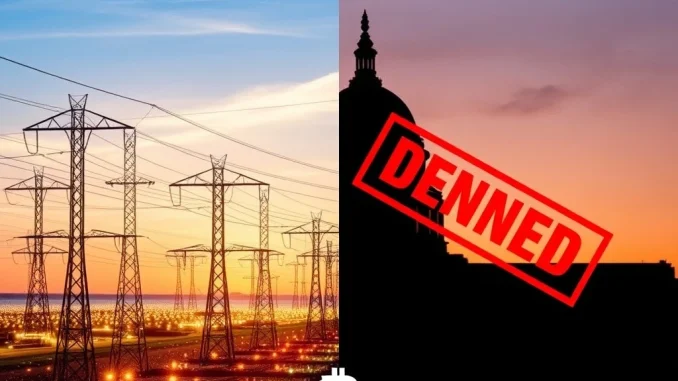
The cryptocurrency community recently faced a significant stir. It centered around bold crypto partnership claims made by OpenVPP, a project operating in the innovative energy tokenization space. On-chain analyst ZachXBT quickly brought these claims to light. Subsequently, U.S. SEC Commissioner Hester Peirce issued a swift and clear denial. This unfolding situation highlights critical issues within the digital asset market, especially regarding project transparency and official endorsements.
OpenVPP Controversy Unfolds
Earlier this week, OpenVPP (OVPP) announced a groundbreaking collaboration. The project claimed a direct partnership with the U.S. government. This purported cooperation was specifically in the burgeoning field of energy tokenization. Such a claim, if true, would represent a monumental endorsement. It would significantly elevate OpenVPP’s standing. However, the announcement quickly drew sharp scrutiny from vigilant members of the crypto community.
Alert on-chain analyst ZachXBT crypto analyst was among the first to flag the unusual claim. He meticulously tracked the project’s assertions. ZachXBT’s swift action brought immediate attention to the developing situation. Furthermore, the analyst’s reputation for uncovering dubious projects amplified the seriousness of his concerns. His intervention prompted many to question OpenVPP’s legitimacy.
The Initial Crypto Partnership Claims
OpenVPP’s public statements were quite explicit. They detailed an alleged collaboration with a U.S. government entity. This partnership aimed to advance energy tokenization initiatives. Consequently, the news spread rapidly across various crypto channels. Many investors and enthusiasts saw this as a massive vote of confidence. Projects often seek government backing for credibility. Yet, such claims also invite intense verification. The potential for misrepresentation in the crypto space remains a constant concern.
SEC Commissioner Hester Peirce Issues Swift Denial
The claims did not go unchallenged for long. Approximately 12 hours after OpenVPP’s announcement, SEC Commissioner Hester Peirce directly addressed the matter. Known colloquially as “Crypto Mom” for her nuanced stance on digital assets, Peirce delivered a definitive statement. She clearly stated that the U.S. Securities and Exchange Commission (SEC) does not partner with private cryptocurrency projects. This response directly contradicted OpenVPP’s assertion. Her denial served as a crucial reality check for the market.
Commissioner Peirce’s statement underscores a fundamental principle. Regulatory bodies typically maintain an arms-length relationship with private entities. They do this to preserve impartiality and avoid conflicts of interest. Therefore, her swift denial was not entirely surprising to industry veterans. It nevertheless sent ripples through the community. The denial cast a significant shadow over OpenVPP’s initial claims. It raised serious questions about the project’s transparency and communication practices.
ZachXBT Crypto Analyst Uncovers Promotional Tactics
Further investigation by ZachXBT crypto analyst revealed additional concerning details. He noted a coordinated promotional effort surrounding OpenVPP. Specifically, ZachXBT pointed out that accounts promoting the project were primarily those of various crypto influencers. This observation raised further red flags. Influencer marketing is common in crypto. However, a widespread, uncritical promotion of unverified claims can be problematic. It often suggests a lack of independent due diligence.
The analyst’s findings suggested a potential pump-and-dump scheme. This tactic involves artificially inflating a project’s value. Subsequently, early investors sell their holdings for profit. The involvement of multiple influencers in promoting the government partnership claim intensified skepticism. It highlighted the importance of critical evaluation. Investors must always perform their own research. They should not solely rely on promotional content.
The Energy Tokenization Sector Under Scrutiny
This controversy inevitably brings the broader energy tokenization sector into focus. Energy tokenization aims to fractionalize ownership of energy assets. It also seeks to streamline energy trading using blockchain technology. This field holds immense promise for efficiency and sustainability. However, incidents like the OpenVPP situation can undermine public trust. They can deter legitimate innovation. Investors become more cautious when faced with questionable claims.
Legitimate projects in this space work hard to build credibility. They often collaborate with established energy firms or demonstrate robust technological solutions. False claims of government partnerships damage the reputation of the entire sector. Consequently, regulators may increase their scrutiny. This could lead to stricter rules for all participants. Therefore, transparency and verifiable facts are paramount for the growth of energy tokenization.
OpenVPP’s Response and Ongoing Questions
Following the widespread skepticism and Peirce’s denial, the OpenVPP team issued an official statement. Their explanation was unusual. They claimed an intern had “accidentally hidden” Commissioner Peirce’s reply. This explanation attempts to absolve the project of intentional misrepresentation. However, it raises more questions than it answers. Hiding a public statement from an SEC Commissioner seems unlikely to be an accidental oversight.
Many in the community found this explanation implausible. It further fueled suspicions about OpenVPP’s integrity. For instance, why would an intern have the authority to hide such a critical response? What was the motive behind hiding it? The incident underscores the challenges of accountability in decentralized spaces. It also highlights the need for rigorous due diligence. Investors should always approach bold claims with healthy skepticism.
In conclusion, the OpenVPP controversy serves as a stark reminder. It emphasizes the volatile and often opaque nature of the cryptocurrency market. The rapid denial by SEC Commissioner Hester Peirce exposed the fragility of unverified crypto partnership claims. Furthermore, the diligence of ZachXBT crypto analyst showcased the power of community-driven oversight. As the energy tokenization sector matures, transparency and verifiable facts will be crucial. They will determine long-term success and investor confidence. Investors must remain vigilant. They should prioritize verifiable information over promotional hype.
Frequently Asked Questions (FAQs)
Q1: What is OpenVPP (OVPP)?
A1: OpenVPP (OVPP) is a cryptocurrency project that claimed to be involved in the field of energy tokenization, aiming to leverage blockchain technology for energy-related assets and trading.
Q2: What was the controversial claim made by OpenVPP?
A2: OpenVPP claimed this week to be cooperating with the U.S. government in the innovative field of energy tokenization, a significant assertion that would imply official endorsement and partnership.
Q3: How did SEC Commissioner Hester Peirce respond to OpenVPP’s claim?
A3: SEC Commissioner Hester Peirce publicly denied OpenVPP’s claim, stating clearly that the U.S. Securities and Exchange Commission (SEC) does not partner with private cryptocurrency projects. Her response directly contradicted OpenVPP’s announcement.
Q4: Who is ZachXBT, and what was his role in this controversy?
A4: ZachXBT is a prominent on-chain analyst known for investigating and exposing fraudulent or misleading activities within the cryptocurrency space. He initially highlighted OpenVPP’s claims and later pointed out that the project was being promoted by numerous crypto influencers.
Q5: What is energy tokenization?
A5: Energy tokenization involves using blockchain technology to represent real-world energy assets, such as solar panels or electricity, as digital tokens. This can facilitate fractional ownership, peer-to-peer energy trading, and enhanced transparency in the energy sector.
Q6: What are the broader implications of this controversy for the crypto market?
A6: This controversy highlights the critical need for due diligence and transparency in the crypto market. It underscores the risks associated with unverified claims, especially those involving government partnerships, and reinforces the importance of regulatory clarity and investor skepticism towards promotional hype.