In a case that sends a chilling message across the digital landscape, an Arizona woman has been handed a significant prison sentence for her role in a massive $17 million fraud scheme. This operation directly aided North Korean hackers in infiltrating over 300 U.S. companies. For anyone in the cryptocurrency space, this story isn’t just about justice; it’s a stark reminder of the persistent threats and the sophisticated methods used by state-sponsored actors to fund illicit activities, potentially impacting the broader digital economy and crypto security risks.
Unmasking the Architects: Who Aided the North Korean Hackers?
Christina Marie Chapman, a 50-year-old Arizona resident, received a 102-month (8.5-year) federal prison sentence for orchestrating a scheme described by the U.S. Department of Justice as one of the largest North Korean IT worker fraud operations ever prosecuted. From 2020 to 2023, Chapman facilitated the infiltration of major U.S. corporations, including a top-five television network, a Silicon Valley tech firm, an aerospace manufacturer, and a luxury retailer. Her method? Using stolen American identities to secure remote IT positions for North Korean operatives, generating approximately $17 million in illicit revenue. This funding, as court documents revealed, directly supported the North Korean government’s nuclear weapons program. Assistant Director Roman Rozhavsky of the FBI’s Counterintelligence Division highlighted the critical role played by individuals like Chapman, stating, “Even an adversary as sophisticated as the North Korean government can’t succeed without the assistance of willing U.S. citizens.”
The Anatomy of a Cybersecurity Fraud: How Did It Work?
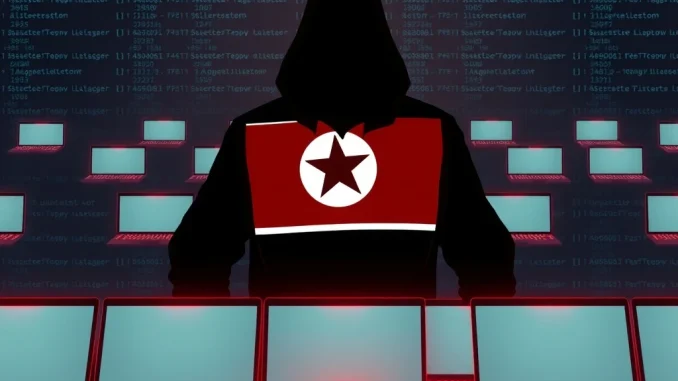
The ingenuity, and indeed audacity, of this cybersecurity fraud scheme is alarming. Chapman operated a “laptop farm” from her home, housing 90 company-issued laptops. This created the illusion that the North Korean workers were physically based in the United States, effectively bypassing standard geographic restrictions and identity verification protocols. Beyond her domestic setup, court documents revealed she shipped 49 additional laptops overseas, some reaching locations near the North Korean border in China. The operation involved:
- Identity Theft: Stolen American identities were used to apply for and secure remote IT jobs.
- Remote Presence Deception: The “laptop farm” and overseas shipments made it appear as though the workers were U.S.-based.
- Financial Laundering: Forged payroll checks and overseas money transfers were used to launder the illicit proceeds, distributing funds to Chapman and the North Korean regime.
Co-conspirators, including Ukrainian national Oleksandr Didenko and three other foreign nationals, assisted in managing this complex network, allowing North Korean IT workers to impersonate legitimate U.S. job applicants.
Lessons from the Remote Work Scheme: What Are the Vulnerabilities?
This case profoundly underscores significant vulnerabilities within U.S. corporate cybersecurity, especially concerning the verification of remote employees. The successful execution of this remote work scheme against Fortune 500 companies serves as a stark warning. As U.S. Attorney Jeanine Ferris Pirro noted, if these large corporations could be targeted, “it could happen to any organization.” The rapid shift to remote work during the pandemic created new avenues for exploitation, and this case highlights the need for:
- Enhanced Identity Verification: Stronger protocols for confirming the true identity and location of remote hires.
- Network Monitoring: Continuous monitoring of network activity for unusual access patterns or data exfiltration.
- Employee Awareness: Training employees to recognize and report suspicious activities or communications.
The investigation, led by the FBI and IRS Criminal Investigation Phoenix Field Office, revealed the sheer scale of North Korea’s IT worker schemes, which a United Nations Panel of Experts report estimates generate between $250 million and $600 million annually. This case is a critical reminder that while remote work offers flexibility, it also demands heightened vigilance.
Confronting State-Sponsored Cybercrime: A Global Challenge
The sentencing of Christina Chapman is a victory in the ongoing battle against state-sponsored cybercrime. It reinforces the U.S. government’s commitment to disrupting illicit financial networks that fund hostile regimes. The FBI’s Counterintelligence Division emphasized that such schemes exploit U.S. institutions and citizens, generating critical funding for Pyongyang’s military ambitions. This aligns with broader U.S. efforts, including a recently announced $15 million reward for information on North Korean cyber operations.
The implications for the U.S. tech and crypto sectors are particularly significant. While direct impacts on specific digital assets were not detailed in court documents regarding this specific fraud, North Korea’s well-documented historical interest in cryptocurrencies suggests potential targeting of large-cap cryptos in future schemes. The regime has consistently leveraged cyber operations, including ransomware attacks and exchange hacks, to circumvent sanctions and bolster its finances. Special Agent Carissa Messick of the IRS Criminal Investigation Phoenix Field Office reiterated that law enforcement will continue to track individuals who jeopardize national security through identity theft or money laundering.
Bolstering US Corporate Security: What Can Be Done?
This case serves as a critical wake-up call for strengthening US corporate security frameworks. As North Korea refines its technology-driven strategies to evade sanctions, the convergence of cybercrime, geopolitical strategy, and domestic legal enforcement becomes increasingly apparent. Organizations, especially those in the tech and finance sectors (including crypto), must prioritize robust cybersecurity measures. Actionable insights include:
- Implementing Multi-Factor Authentication (MFA): Across all systems and for all employees, especially remote ones.
- Regular Security Audits: Conducting frequent assessments of network vulnerabilities and employee access.
- Zero-Trust Architecture: Adopting a security model that assumes no user or device should be trusted by default, regardless of whether they are inside or outside the network.
- Enhanced Due Diligence for Remote Hires: Going beyond standard background checks to include more rigorous identity verification processes.
The FBI’s emphasis on vigilance against similar attempts signals a heightened focus on protecting U.S. markets from state-sponsored exploitation. For the crypto community, this means understanding that sophisticated adversaries will continue to seek vulnerabilities, whether through direct hacks or elaborate social engineering and identity theft schemes like this one, to fund their operations.
Conclusion
The sentencing of Christina Marie Chapman marks a significant step in countering complex cyber threats that transcend traditional criminal activity, blending identity theft with national security implications. Her role in aiding North Korean hackers highlights the critical need for unwavering vigilance, robust cybersecurity protocols, and collaborative efforts between law enforcement and the private sector. As digital landscapes evolve, so too must our defenses against those who seek to exploit them for nefarious purposes, ensuring the integrity of our businesses and the security of our nation.
Frequently Asked Questions (FAQs)
Q1: What was Christina Marie Chapman’s role in the fraud scheme?
A1: Christina Marie Chapman orchestrated a scheme that used stolen American identities to secure remote IT positions for North Korean workers. She operated a “laptop farm” from her home, hosting company-issued laptops to create the illusion that these workers were U.S.-based, thereby facilitating a $17 million fraud.
Q2: How did the North Korean hackers benefit from this scheme?
A2: The illicit revenue generated from this scheme, approximately $17 million, was transferred to the North Korean government, directly funding its nuclear weapons program and helping the regime circumvent international sanctions.
Q3: Which types of U.S. companies were targeted by this remote work scheme?
A3: The scheme targeted over 300 U.S. companies, including major corporations like a top-five television network, a Silicon Valley tech firm, an aerospace manufacturer, and a luxury retailer, demonstrating the wide reach and sophistication of the operation.
Q4: What are the broader implications of this case for U.S. corporate cybersecurity?
A4: This case highlights significant vulnerabilities in verifying remote employees and the need for enhanced identity verification, continuous network monitoring, and stronger cybersecurity protocols. It underscores that even large, well-resourced companies can be targets of sophisticated state-sponsored cybercrime.
Q5: How does this case relate to the cryptocurrency sector?
A5: While the court documents didn’t detail direct impacts on specific digital assets in this fraud, North Korea has a history of leveraging cryptocurrencies for funding. This case underscores how state-sponsored actors use illicit financial networks, potentially including crypto, to evade sanctions, suggesting future schemes could target large-cap cryptos.
Q6: What measures can companies take to protect against similar schemes?
A6: Companies should implement robust measures such as multi-factor authentication (MFA), regular security audits, adopting a zero-trust architecture, and conducting enhanced due diligence for remote hires to prevent similar remote work schemes and cybersecurity fraud.