In the dynamic world of digital assets, the ability to efficiently and securely exchange cryptocurrencies is paramount. Users are increasingly seeking platforms that not only offer competitive rates but also prioritize their autonomy and protection. This growing demand has propelled Non-custodial DEXs (Decentralized Exchanges) to the forefront, marking a significant evolution in how we approach crypto swaps. Imagine a system where you maintain absolute control over your assets throughout the entire exchange process, eliminating the risks associated with third-party custodians. This is the promise of the non-custodial revolution, offering a compelling blend of cost-efficiency and enhanced security.
Non-custodial DEXs: Pioneering the Future of Crypto Swaps
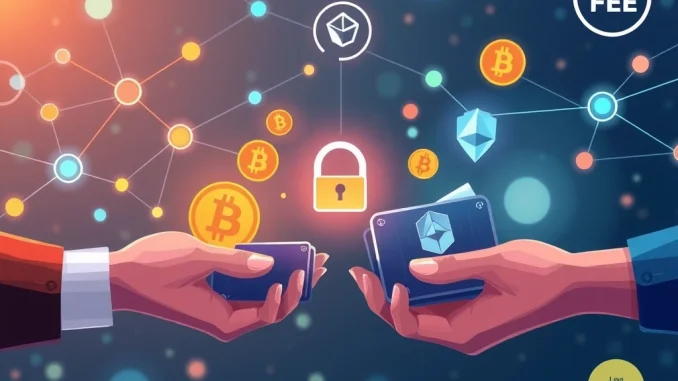
The landscape of cryptocurrency trading has witnessed a profound shift towards decentralization. At its core, a non-custodial platform ensures that users retain full control of their private keys and, by extension, their funds at all times. Unlike traditional centralized exchanges where you deposit assets into the platform’s wallet, Non-custodial DEXs facilitate direct peer-to-peer transactions. This model significantly mitigates the risks of hacks or insolvency events that have plagued centralized entities.
- Direct Control: Your private keys remain solely with you, never shared with the exchange.
- Reduced Counterparty Risk: No need to trust a third party with your assets during the swap.
- Enhanced Security: Funds are not held in a central honeypot, making them less attractive targets for attackers.
- Transparency: Transactions are executed via smart contracts on a public blockchain, ensuring auditable and tamper-proof operations.
This paradigm shift is particularly appealing for those engaging in frequent crypto swaps, as it aligns perfectly with the foundational ethos of decentralization within the blockchain space.
Unlocking Value: The Advantage of Low Fees on Decentralized Exchanges
One of the most attractive propositions of decentralized exchanges is their potential for low fees. By removing intermediaries, DEXs streamline the swapping process, often resulting in more competitive rates than their centralized counterparts. For instance, some services are known to offer fees as low as 0.25% for crypto swaps, making them a go-to choice for traders focused on maximizing their returns.
However, it’s crucial to understand that while platform fees can be minimal, other costs like ‘gas fees’ (transaction fees on the underlying blockchain network) are still a factor. These can fluctuate based on network congestion and demand. Here’s how to navigate fees effectively:
- Compare Platform Fees: Always check the explicit trading fees charged by the DEX.
- Monitor Gas Fees: Be aware of network congestion, which can significantly increase transaction costs. Tools exist to check current gas prices.
- Strategic Timing: Executing swaps during off-peak hours can sometimes result in lower gas fees.
- Liquidity Considerations: Higher liquidity pairs often lead to better rates and lower slippage, indirectly impacting overall cost efficiency.
The drive for low fees is a core component of the DEX value proposition, empowering users to keep more of their digital assets.
Embracing Self-Custody: Your Key to Digital Asset Security
The concept of self-custody is not just a feature of non-custodial platforms; it’s a fundamental security best practice in the cryptocurrency world. Using non-custodial wallets means you hold your private keys, which are the cryptographic proof of ownership for your digital assets. This eliminates the risk of your funds being compromised if the exchange itself is hacked or goes bankrupt.
When you perform crypto swaps on a DEX, smart contracts automate the exchange process. These contracts are immutable and transparent, meaning their code dictates the terms of the swap, and once deployed, cannot be altered. This automation reduces human error and malicious intent, further bolstering security. To ensure maximum security:
- Use Reputable Wallets: Opt for well-audited non-custodial wallets (hardware or software) that have a strong security track record.
- Secure Private Keys: Never share your private keys or seed phrase. Store them offline in a secure location.
- Enable Two-Factor Authentication (2FA): Where applicable, use 2FA for any connected services or wallet interfaces.
- Understand Smart Contracts: While you don’t need to be a developer, having a basic understanding of how smart contracts facilitate swaps can increase confidence.
Prioritizing self-custody is the ultimate safeguard for your crypto investments.
Strategic Crypto Swaps: Navigating the Market with Confidence
Beyond security and fees, executing efficient crypto swaps requires strategic thinking. Understanding market dynamics, liquidity, and timing can significantly impact the outcome of your exchanges. Users are advised to compare exchange rates across different decentralized exchanges to identify the most favorable terms for their desired crypto pairs.
The regulatory landscape for crypto transactions is continuously evolving. While DEXs offer a decentralized alternative, users are still responsible for adhering to jurisdiction-specific laws regarding digital asset ownership and trading. Staying informed about these updates is crucial to avoid compliance pitfalls.
Looking ahead, the ongoing innovation in smart contract technology and the broader Decentralized Finance (DeFi) ecosystem promises to further enhance the efficiency and accessibility of crypto swaps. New protocols are constantly emerging, aiming to reduce costs, increase speed, and improve the overall user experience.
In summary, the most effective strategies for navigating the digital asset market emphasize the power of Non-custodial DEXs. By prioritizing security through self-custody, optimizing for low fees, and conducting thorough market analysis for your crypto swaps, users can confidently engage with the ecosystem. As blockchain infrastructure continues to mature, we can expect even greater advancements in cost reduction and user-friendly experiences across the board, truly empowering the individual crypto holder.
Frequently Asked Questions (FAQs)
1. What are Non-custodial DEXs?
Non-custodial Decentralized Exchanges (DEXs) are platforms that allow users to trade cryptocurrencies directly with each other without the need for a central intermediary. Users retain full control of their private keys and assets throughout the entire transaction, meaning the exchange never holds their funds.
2. How do fees work on Decentralized Exchanges?
Fees on DEXs typically consist of two main components: a small platform fee (which can be as low as 0.25% on some services) and a blockchain network fee, often called ‘gas fee’. The gas fee varies based on network congestion and the complexity of the transaction, paid to the network validators rather than the exchange.
3. Why is Self-custody important for crypto swaps?
Self-custody is crucial because it means you, and only you, control your private keys and thus your digital assets. This eliminates counterparty risk, protecting your funds from potential hacks, insolvency, or censorship on centralized platforms. When you swap on a non-custodial DEX, your assets never leave your wallet until the swap is complete and the new assets are received.
4. How long do crypto swaps typically take on DEXs?
The completion time for crypto swaps on DEXs varies depending on the blockchain network’s congestion and block confirmation times. Transactions can range from a few minutes to several hours. Faster networks generally offer quicker swaps, but higher network fees might apply during peak times.
5. Are Non-custodial DEXs regulated?
The regulatory landscape for DEXs is still evolving and can vary significantly by jurisdiction. While the decentralized nature makes direct regulation challenging, users are generally responsible for complying with local laws regarding cryptocurrency trading, taxes, and reporting requirements. It’s advisable to stay informed about the regulations in your region.