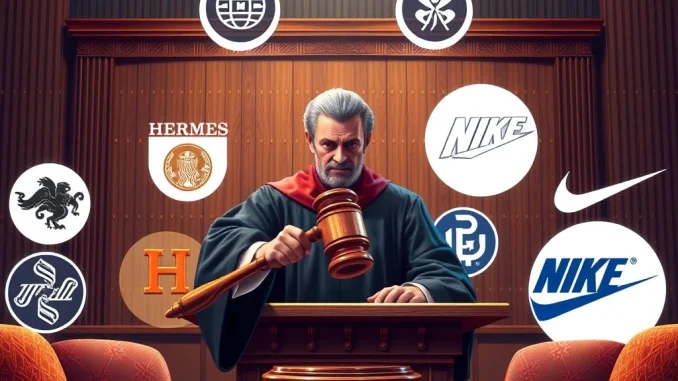
The rise of NFTs has sparked a legal storm as global courts grapple with how to apply traditional trademark laws to digital assets. From Hermès to Nike, major brands are clashing with NFT creators, testing the boundaries of intellectual property in the decentralized world. These NFT trademark disputes are setting precedents that could redefine ownership and brand protection in the metaverse.
Why Are NFT Trademark Disputes Surging?
NFTs blur the lines between art, commerce, and brand identity, creating confusion in trademark law. Courts worldwide are struggling to answer: When does an NFT infringe on a trademark? Key challenges include:
- Consumer Confusion: Digital assets can mislead buyers about brand affiliation.
- Artistic Expression vs. Commercial Use: Courts must distinguish between protected art and unauthorized brand exploitation.
- Global Inconsistencies: Different countries apply trademark law differently to NFTs.
High-Profile NFT Legal Battles Shaping the Future
Several landmark cases highlight the complexities of NFT trademark disputes:
| Case | Outcome | Implications |
|---|---|---|
| Hermès vs. MetaBirkins | Hermès won; NFTs deemed infringing | Artistic defense rejected for commercial mimicry |
| Nike vs. StockX | Partial Nike victory | Counterfeit concerns upheld, but NFT use questions remain |
| Yuga Labs vs. Ryder Ripps | Appeal reversed $9M award | NFTs classified as “goods,” enabling future claims |
How Global Courts Are Handling NFT Trademark Law
Different regions are taking varied approaches to NFT trademark disputes:
- U.S.: Relies on existing “likelihood of confusion” standards.
- EU: Updated rules to include virtual goods but require precise descriptions.
- China: Recognizes NFTs as digital property, holding platforms liable for infringement.
What Brands Need to Do Now
To protect against NFT trademark disputes, experts recommend:
- Register trademarks for virtual goods and NFTs.
- Monitor unauthorized use of brand assets in digital marketplaces.
- Engage legal counsel familiar with blockchain and IP law.
The legal battles over NFTs are far from over, but one thing is clear: as digital and physical markets merge, trademark protection will become even more critical. The outcomes of these cases will shape how brands navigate the metaverse and beyond.
Frequently Asked Questions (FAQs)
1. Can NFTs be protected under trademark law?
Yes, but it depends on jurisdiction and use. Courts are increasingly recognizing NFTs as “goods” subject to trademark protection.
2. What was the Hermès vs. MetaBirkins case about?
Hermès sued artist Mason Rothschild for creating “MetaBirkins” NFTs resembling their Birkin bags. The court ruled in Hermès’ favor, citing consumer confusion.
3. How does the EU regulate NFT trademarks?
The EU requires specific descriptions (e.g., “virtual clothing”) rather than broad categories like “NFTs” for trademark registration.
4. Can an NFT be considered artistic expression and avoid trademark infringement?
It depends on context. Courts weigh factors like commercial intent, consumer confusion, and transformative use.
5. What should brands do to protect against NFT trademark disputes?
Proactively register trademarks for digital assets, monitor NFT marketplaces, and enforce rights when necessary.