The non-fungible token (NFT) market is buzzing again, experiencing a significant resurgence with trading activity escalating across the globe. As collectors and investors seek unique digital assets, many are exploring avenues beyond traditional public marketplaces. This renewed interest has led to a surge in over-the-counter (OTC) trades – private, direct transactions between buyers and sellers. While OTC trading offers unparalleled flexibility and customization, it has unfortunately coincided with a sharp and concerning rise in fraudulent activities. This article delves into the escalating threat of NFT OTC scams and provides crucial insights into protecting your valuable digital assets.
Understanding the Rise of NFT OTC Scams
Over-the-counter (OTC) trades are private transactions where parties negotiate directly, bypassing public marketplaces like OpenSea or LooksRare. This method has gained considerable popularity due to its flexibility in securing specific, often rare, assets without the transparency and fees associated with public exchanges. For instance, a buyer might want a specific NFT from a collection but prefers to negotiate a custom price or even a swap for another asset directly with the owner. This direct communication and tailored deal-making are significant advantages.
However, this less regulated nature is precisely what scammers exploit. The surge in OTC trading volumes has created fertile ground for various deceptive tactics, making NFT OTC scams a growing concern. These fraudsters leverage phishing attempts, create convincing fake platforms, and engage in deceptive negotiations to manipulate unsuspecting users. Unlike public exchanges, which offer some level of built-in security and transparency, OTC transactions often occur in private channels like Discord, Telegram, or other messaging apps. This private environment makes it easier for scammers to operate unnoticed, impersonate legitimate traders, and lure victims into unverified transactions.
Why Are Users Turning to OTC Trading?
Despite the inherent risks, OTC trading holds significant appeal for several reasons:
- Flexibility in Pricing: Buyers and sellers can negotiate prices that might differ from floor prices on public marketplaces, allowing for unique deals.
- Avoiding Fees: OTC trades can sometimes bypass the transaction fees associated with major platforms, saving money for both parties.
- Privacy: Transactions are not publicly listed in the same way, offering a degree of privacy for high-value or sensitive deals.
- Access to Exclusive Assets: Some high-value or rare NFTs might only be available through direct negotiation, especially within close-knit communities.
- Asset Swaps: OTC allows for direct swapping of NFTs or other digital assets, which isn’t typically supported by standard marketplaces.
While these benefits are attractive, they come with the critical caveat of increased personal responsibility for due diligence and crypto security.
The Anatomy of an NFT Fraud: Common Tactics
Scammers are increasingly sophisticated in their methods. A common approach involves infiltrating NFT communities by posing as credible and trustworthy participants. They might spend weeks building rapport, contributing to discussions, and appearing helpful. Once trust is established, they target potential victims with seemingly attractive offers, often slightly above the floor price to avoid immediate suspicion. This slight premium makes the deal seem exclusive and too good to pass up.
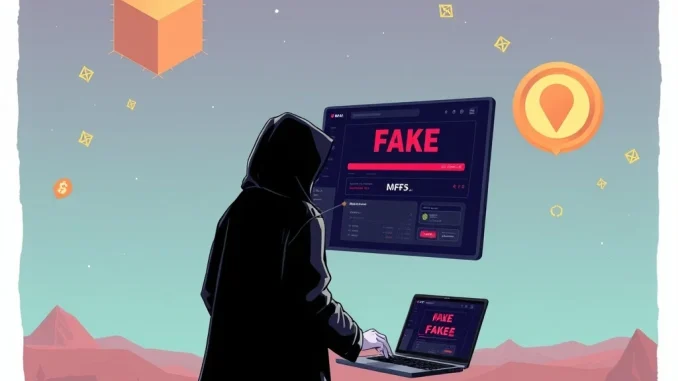
Once a victim agrees to a trade, the scammer directs them to a malicious website or a newly created OTC platform. These sites are meticulously designed to mimic legitimate marketplaces or reputable OTC tools, often featuring familiar logos, user interfaces, and even fake transaction histories. However, their true purpose is nefarious: they are designed to drain users’ crypto wallets by requesting seed phrases, private keys, or tricking them into signing malicious transactions that transfer NFTs or cryptocurrencies directly to the scammer’s wallet. This type of NFT fraud has been prevalent since 2021, leading to millions in losses, and these strategies are unfortunately resurfacing with renewed vigor in 2025.
Key Indicators of NFT Scams: What to Watch For
Being able to identify red flags is paramount for effective crypto security. Here are common indicators of potential NFT scams:
- Urgent Requests: Any pressure to complete a transaction quickly or to use an unfamiliar platform. Legitimate traders understand the need for caution.
- Deviation from Standard Procedures: Claims of technical issues with established services or insistence on using a new, unverified platform.
- Unsolicited Offers: Be wary of unsolicited direct messages (DMs) with lucrative offers, especially if the sender is not a well-known community member.
- Suspicious Links: Never click on links provided by private messengers. Always navigate directly to official marketplace websites.
- Demands for Private Information: Legitimate transactions never require your wallet’s seed phrase or private keys.
- Poor Grammar or Spelling: While not always definitive, consistent errors can be a sign of a less professional (and potentially fraudulent) operation.
Fortifying Your Defenses: Essential Crypto Security Measures
Protecting yourself from NFT OTC scams requires vigilance and proactive measures. Here are actionable steps to safeguard your digital assets:
- Verify Everything Independently: Always verify transactions through official NFT platforms. Do NOT use links provided by private messengers. Type the URL directly into your browser or use trusted bookmarks.
- Confirm Asset Ownership: Before any trade, confirm the ownership of the assets by directly logging into legitimate marketplaces. Check the blockchain explorer (e.g., Etherscan) to verify the NFT’s contract address and transaction history.
- Utilize Trusted OTC Tools: If engaging in OTC trades, use reputable, audited OTC escrow services or platforms designed specifically for secure private transactions. These tools add a layer of trust and automation to the process.
- Maintain a Dedicated Wallet for OTC Trades: Consider using a separate, ‘hot’ wallet that holds only the assets intended for immediate sale or trade. This limits your exposure; if this wallet is compromised, your main collection remains secure.
- Enable Two-Factor Authentication (2FA): For all your crypto accounts and platforms, enable 2FA to add an extra layer of security.
- Educate Yourself Continuously: Stay updated on the latest scam tactics and security best practices in the NFT space. Knowledge is your best defense against NFT fraud.
The Path Forward: Navigating the NFT Market Safely
The growing prevalence of NFT OTC scams underscores the critical need for heightened vigilance in the NFT space. While the resurgence of trading volumes is exciting for the market, it also attracts malicious actors looking to exploit new participants and existing traders alike. As the NFT ecosystem evolves, so too do the methods of fraudsters. Users must prioritize due diligence, verify every step of a transaction, and leverage secure tools to navigate these potentially high-risk transactions.
Remember, if an offer seems too good to be true, it very likely is. Your digital assets are your responsibility, and a cautious, informed approach is the best way to enjoy the exciting world of NFTs without falling victim to scams. Stay safe, stay vigilant, and happy trading!
Frequently Asked Questions (FAQs)
Q1: What exactly are NFT OTC scams?
NFT OTC scams refer to fraudulent activities that occur during over-the-counter (OTC) or private NFT transactions. Scammers exploit the less regulated nature of direct trades between parties, often using tactics like phishing, impersonating legitimate traders, or creating fake platforms to trick users into sending their NFTs or cryptocurrencies.
Q2: Why are OTC NFT trades riskier than public marketplace trades?
OTC trades lack the built-in security, transparency, and dispute resolution mechanisms found on public marketplaces. Transactions are often negotiated in private messaging apps, making it easier for scammers to operate anonymously, create fake identities, and direct victims to malicious websites without immediate detection.
Q3: How can I verify an NFT transaction to avoid scams?
Always verify transactions by navigating directly to official NFT marketplace websites (e.g., OpenSea, LooksRare) and checking the asset’s authenticity and ownership. Never click on links sent via private messages. Use reputable OTC tools or escrow services if engaging in private trades, and always double-check wallet addresses before sending funds or NFTs.
Q4: What are the common red flags to watch out for in an OTC NFT deal?
Common red flags include urgent requests to complete a trade, insistence on using unfamiliar or newly created platforms, offers that seem significantly better than market value, demands for your wallet’s seed phrase or private keys, and any pressure to deviate from standard, secure procedures. Always be suspicious of unsolicited offers, especially from unverified accounts.
Q5: Is it safe to use a separate wallet for OTC trades?
Yes, using a dedicated ‘hot’ wallet specifically for OTC trades is a highly recommended crypto security measure. This limits your exposure, as it only holds the assets intended for that specific transaction. In the unlikely event that this wallet is compromised, your main collection of NFTs and other cryptocurrencies stored in a more secure ‘cold’ wallet remains safe.