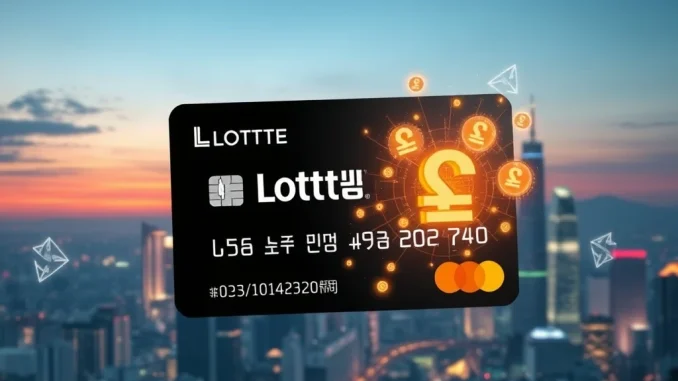
Get ready for a significant shift in South Korea’s financial landscape! Major credit card issuer Lotte Card has made a groundbreaking move, filing an astonishing 36 trademark applications related to won-based stablecoins. This isn’t just a minor update; it’s a powerful signal that traditional financial institutions are diving deep into the world of digital assets, potentially reshaping how we interact with the Korean Won in the digital realm.
Why Is Lotte Card Investing in Won-Based Stablecoins?
The world of finance is rapidly evolving, and South Korea is often at the forefront of technological adoption. Lotte Card, a household name in the country’s financial sector, appears to be positioning itself for the future of money. Their extensive trademark filings suggest a clear intent to explore, develop, and potentially launch digital currencies pegged to the Korean Won.
This strategic move can be seen as a response to several key trends:
- Growing Digitalization: South Korea boasts one of the highest rates of digital payment adoption globally. Integrating stablecoins could offer more seamless and efficient digital transactions.
- Blockchain Innovation: Companies are increasingly recognizing the potential of blockchain technology for secure, transparent, and low-cost financial services.
- Future-Proofing Business: As central banks globally explore Central Bank Digital Currencies (CBDCs), like the potential for a digital won, private entities are also preparing their own digital currency strategies to remain competitive.
Breaking Down the Trademark Filings: A Glimpse into South Korean Stablecoins
According to Yonhap Infomax and data from the Korean Intellectual Property Rights Information Service (KIPRIS), Lotte Card‘s applications are comprehensive. They cover both brand-name trademarks in Hangul (Korean script) and ticker-style trademarks, indicating a dual approach to branding and technical identification.
Here’s a closer look at the breakdown:
- Total Applications: 36
- Brand-Name Trademarks: 12 applications, likely for the full, consumer-facing names of their stablecoin initiatives.
- Ticker Trademarks: 24 applications, representing the shorthand, often crypto-exchange-style tickers.
Among the intriguing ticker trademarks revealed are names like “WONBIT,” “KTOKEN,” and “LOCAMONEY.” These names strongly suggest a focus on a digital asset tied directly to the Korean Won, possibly designed for various use cases within Lotte Card’s vast ecosystem, from loyalty programs to merchant payments.
The Broader Impact on Digital Finance and the Digital Won Landscape
The implications of Lotte Card‘s proactive stance on won-based stablecoins extend far beyond just one company. This development could accelerate the mainstream adoption of digital currencies in South Korea and influence the broader conversation around the digital won.
While the Bank of Korea has been conducting its own CBDC trials for a digital won, private sector initiatives like Lotte Card’s could:
- Spur Competition: Encourage other major financial institutions to explore their own stablecoin offerings.
- Foster Innovation: Lead to new use cases and services built around stablecoins, such as streamlined international remittances, enhanced loyalty programs, or even micro-payments.
- Inform Regulation: Provide real-world examples and data that can help regulators develop more effective frameworks for digital assets.
This move highlights a growing trend where traditional finance and cutting-edge blockchain technology converge. It’s a testament to the fact that digital assets are no longer a niche interest but a critical component of future financial infrastructure.
What’s Next for South Korean Stablecoins?
While these trademark filings don’t guarantee an immediate launch of a Lotte Card stablecoin, they certainly lay the groundwork. The process of developing and deploying a stablecoin involves significant technical, regulatory, and strategic considerations. However, the sheer volume and specific nature of these applications demonstrate a serious commitment.
The financial world will be watching closely to see how these initiatives develop and what role they will play alongside the Bank of Korea’s ongoing research into a potential digital won. This could be a pivotal moment for digital currency adoption in one of Asia’s most technologically advanced nations.
In Conclusion: Lotte Card’s filing of 36 trademark applications for won-based stablecoins marks a significant milestone in South Korea’s journey toward a more digitized financial future. This bold step by a major financial player underscores the increasing relevance of stablecoins and their potential to transform everyday transactions. As the lines between traditional finance and blockchain technology continue to blur, initiatives like these will undoubtedly shape the landscape of digital money for years to come.
Frequently Asked Questions (FAQs)
What are won-based stablecoins?
Won-based stablecoins are cryptocurrencies designed to maintain a stable value, typically pegged 1:1 to the South Korean Won (KRW). This means one won-based stablecoin would always aim to be worth one Korean Won, minimizing price volatility often seen in other cryptocurrencies like Bitcoin.
Why is Lotte Card filing so many trademark applications?
Lotte Card’s filing of 36 trademark applications indicates a comprehensive strategy to protect potential brand names and ticker symbols for various won-based stablecoin projects or related services. This large number suggests they are exploring multiple avenues or preparing for a wide range of uses for their digital currency initiatives.
How do Lotte Card’s stablecoin plans relate to the ‘digital won’ concept?
While the ‘digital won’ typically refers to a Central Bank Digital Currency (CBDC) issued by the Bank of Korea, Lotte Card’s private won-based stablecoins could either complement or compete with a potential CBDC. They represent a private sector exploration of digital fiat currency, potentially offering alternative digital payment solutions within Lotte Card’s ecosystem.
What are the potential benefits of Lotte Card launching a stablecoin?
A Lotte Card stablecoin could offer several benefits, including faster and cheaper transactions, enhanced security, potential for innovative loyalty programs, and seamless integration with their existing financial services. It could also open up new business models and expand their reach in the digital economy.
Will these stablecoins be available for public use soon?
Trademark filings are an initial step in a long development process. While they signal strong intent, there’s no immediate timeline for public availability. Regulatory approvals, technical development, and market strategy would all need to be finalized before any such stablecoins could be launched for widespread use.