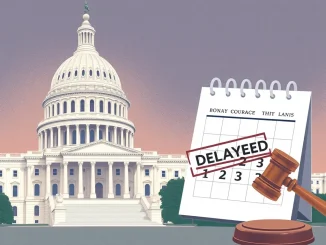
In the fast-paced world of cryptocurrency, regulatory clarity is a beacon for innovation and growth. However, for South Korea, that clarity seems to be momentarily obscured. The highly anticipated Korea Digital Asset Act, a pivotal piece of legislation poised to shape the nation’s crypto landscape, has hit a significant roadblock. This delay, extending for 1-2 months, signals deeper policy disputes and a struggle for consensus among key stakeholders. What does this mean for digital asset innovation and the future of crypto in one of Asia’s most tech-forward nations?
Understanding the Stalled Korea Digital Asset Act
At the heart of this legislative pause is the Korea Digital Asset Act, a comprehensive bill championed by the Democratic Party. Its primary objective is to establish a robust regulatory framework for digital assets, including clear definitions, operational rules for related businesses, and crucially, guidelines for won-based stablecoins. The aim is to foster a secure and transparent environment for crypto participants while protecting investors. Without this foundational law, the industry operates under a patchwork of existing financial regulations, which often don’t fully address the unique characteristics of digital assets.
Key provisions of the proposed Act include:
- Clear Definitions: Establishing what constitutes a ‘digital asset’ and differentiating various types.
- Stablecoin Regulation: Specific rules for won-based stablecoins, addressing their issuance, backing, and redemption mechanisms.
- Business Conduct: Guidelines for crypto exchanges, custodians, and other service providers, ensuring consumer protection and market integrity.
- Investor Protection: Measures to safeguard users from fraud, market manipulation, and other risks inherent in the digital asset space.
This legislative effort reflects a global trend where governments are increasingly seeking to bring the burgeoning crypto market under a formal regulatory umbrella. For South Korea, a nation with a high rate of crypto adoption and a vibrant tech scene, getting this right is paramount for maintaining its competitive edge and ensuring financial stability.
Why the Delay? Unpacking South Korea Crypto Regulation’s Challenges
The primary reason cited for the delay is a lack of consensus among regulators and industry stakeholders. This isn’t just a simple disagreement; it points to a complex South Korea crypto regulation landscape fraught with differing priorities and concerns. Multiple government bodies, including the Financial Services Commission (FSC), the Bank of Korea (BOK), and the Ministry of Justice, all have a say, and their perspectives don’t always align.
Consider the core areas of dispute:
- Jurisdictional Overlap: Who has ultimate authority over different aspects of digital assets? Is it a financial product, a security, or a new asset class requiring a bespoke approach?
- Balancing Innovation and Risk: Regulators often prioritize consumer protection and financial stability, sometimes leading to more conservative stances. Industry players, on the other hand, emphasize the need for flexible regulations that don’t stifle innovation and growth.
- Scope of Regulation: How broadly should the Act apply? Should it cover all digital assets, or only those deemed securities? The treatment of NFTs, for instance, remains a point of contention.
- Enforcement Mechanisms: How will the new rules be enforced, and what will be the penalties for non-compliance? Ensuring effective oversight without over-burdening businesses is a delicate balance.
This internal friction mirrors global debates, but for South Korea, the urgency is amplified by its active crypto market. The delay, while frustrating, highlights the intricate nature of designing comprehensive legislation for a rapidly evolving sector.
Impact on Digital Asset Innovation and the Korean Economy
The prolonged uncertainty surrounding the digital asset innovation act poses several challenges for South Korea’s crypto ecosystem. Innovation thrives on clarity and predictability. When regulatory frameworks are ambiguous or delayed, it can deter new businesses from entering the market and existing ones from expanding. This can lead to a ‘brain drain’ as talent and capital seek more welcoming jurisdictions.
Here’s how the delay might impact digital asset innovation:
- Investor Confidence: A lack of clear rules can make investors wary, leading to reduced investment in Korean crypto startups and projects. Both retail and institutional investors prefer markets with robust legal protections.
- Business Development: Crypto businesses need a clear roadmap to plan their operations, compliance strategies, and growth. Delays create an environment of ‘wait and see,’ slowing down product development and market expansion.
- Global Competitiveness: While South Korea debates, other nations are moving forward with their crypto regulations. Countries like the EU (with MiCA), Japan, and even parts of the U.S. are making strides. A prolonged delay could see South Korea fall behind in the global race for digital asset leadership.
- Technological Adoption: Uncertainty can hinder the adoption of new blockchain technologies and decentralized applications (dApps) that rely on a clear legal foundation for their operation and interaction with traditional finance.
Ultimately, a delay in foundational legislation risks stifling the very innovation it aims to regulate, potentially pushing promising projects and capital offshore.
The Crucial Role of Stablecoin Regulation in Korea
One of the most significant aspects of the delayed Act is its focus on stablecoin regulation, particularly for won-based stablecoins. Stablecoins are critical for the broader crypto ecosystem, acting as a bridge between volatile cryptocurrencies and traditional fiat currencies. They facilitate trading, payments, and lending within the digital asset space.
For South Korea, regulating won-based stablecoins is crucial for several reasons:
- Financial Stability: Unregulated stablecoins could pose systemic risks to the traditional financial system if they grow significantly without proper oversight of their reserves and operations.
- Consumer Protection: Clear rules ensure that stablecoins are adequately backed, transparently managed, and redeemable at par, protecting users from potential collapses or de-pegging events.
- Monetary Policy: The Bank of Korea has expressed concerns about the potential impact of stablecoins on monetary policy and financial markets, advocating for robust regulatory frameworks.
- Innovation with Safeguards: While aiming to foster innovation in digital payments, regulators also want to ensure that stablecoins operate within a secure and compliant environment, preventing their misuse for illicit activities.
The delay in this specific area means that businesses looking to leverage won-based stablecoins for various applications, from remittances to decentralized finance (DeFi), face continued uncertainty. This could impede the development of a robust and secure stablecoin market within Korea.
Navigating the Crypto Policy Dispute: What’s Next?
The current crypto policy dispute in South Korea highlights the inherent tension between different visions for the future of digital assets. On one side, industry advocates and some progressive policymakers push for a framework that encourages growth and innovation, viewing crypto as a transformative technology. On the other, more conservative voices within regulatory bodies emphasize risk mitigation, investor protection, and preventing financial instability.
According to Digital Times, industry voices are increasingly calling for a unified direction. This sentiment reflects a growing impatience within the sector, as global crypto regulation advances. The longer South Korea takes to establish a clear and comprehensive framework, the greater the risk of falling behind other major economies that are actively embracing and regulating digital assets.
What can we expect moving forward?
- Continued Negotiations: The 1-2 month delay suggests that intense negotiations are underway to bridge the gaps between differing viewpoints. Compromise will be key.
- Potential Amendments: The bill might undergo further revisions to incorporate feedback from various stakeholders, potentially leading to a more balanced approach.
- Industry Advocacy: Expect industry associations and individual companies to intensify their lobbying efforts, emphasizing the economic benefits of clear and supportive regulation.
- Public Discourse: The delay might also spark more public debate on the role of crypto in South Korea’s economy, putting pressure on policymakers to act decisively.
The outcome of these policy disputes will not only determine the future of the Korea Digital Asset Act but also significantly influence South Korea’s standing as a global leader in the digital economy.
Conclusion: Awaiting Clarity in Korea’s Crypto Future
The delay of South Korea’s Digital Asset Innovation Act is more than just a procedural hiccup; it’s a clear signal of the profound challenges and differing philosophies at play in regulating a rapidly evolving industry. While the ambition to create a robust framework for digital assets and won-based stablecoins is commendable, achieving consensus remains a formidable task. The crypto community, both within South Korea and globally, watches with keen interest, hoping for a resolution that fosters innovation while ensuring stability and investor protection. The sooner South Korea can provide this much-needed clarity, the stronger its position will be in the competitive landscape of the global digital economy.
Frequently Asked Questions (FAQs)
Q1: What is the South Korea Digital Asset Innovation Act?
The South Korea Digital Asset Innovation Act is a proposed comprehensive bill aimed at regulating digital assets, including cryptocurrencies and won-based stablecoins, within the country. It seeks to establish clear definitions, rules for crypto businesses, and enhance investor protection.
Q2: Why has the Digital Asset Innovation Act been delayed?
The Act has been delayed primarily due to a lack of consensus among various regulatory bodies and industry stakeholders regarding its scope, specific provisions, and the overall approach to digital asset regulation. This indicates ongoing policy disputes.
Q3: How does this delay impact digital asset innovation in South Korea?
The delay creates regulatory uncertainty, which can deter new investments, slow down business development, and potentially cause South Korea to fall behind other nations that are advancing their crypto regulatory frameworks. It can stifle innovation by making it difficult for businesses to plan and operate.
Q4: What is the significance of stablecoin regulation in this Act?
The Act’s focus on won-based stablecoin regulation is crucial for financial stability, consumer protection, and monetary policy oversight. Clear rules ensure stablecoins are adequately backed and transparent, which is vital for their integration into the broader financial system and for fostering trust in digital payments.
Q5: What are the main points of contention in the crypto policy dispute?
Key points of contention include jurisdictional authority over digital assets, balancing innovation with risk mitigation, the precise scope of assets to be regulated (e.g., NFTs), and the mechanisms for effective enforcement and penalties for non-compliance.
Q6: When is the Digital Asset Innovation Act expected to be passed?
While initially facing a 1-2 month delay, the exact timeline for the Act’s passage remains uncertain as it depends on resolving the current policy disputes and achieving consensus among all parties involved. Industry voices are pushing for a unified direction soon.