Billionaire entrepreneur and venture capitalist Kevin O’Leary recently made headlines with a significant acquisition. He co-purchased a rare Logoman card valued at an astounding $13 million. This bold move signals a potentially revolutionary shift in how high-value physical assets interact with the digital world. Mr. Wonderful plans for this prized possession to become a tokenized collectible, demonstrating a distinct vision for future crypto investment opportunities.
Kevin O’Leary Embraces Tangible Assets with a Digital Twist
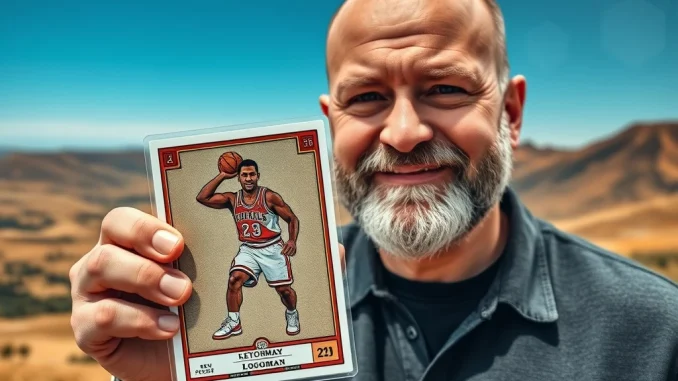
Kevin O’Leary, known for his sharp business acumen, has expanded his diverse portfolio. He recently joined two other investors to acquire a dual Logoman card. This unique piece features both basketball legends Kobe Bryant and Michael Jordan. Furthermore, the $13 million purchase price underscores the card’s extreme rarity and cultural significance. O’Leary views this investment through a familiar lens. He compares it to his strategies for acquiring valuable Andy Warhol art or luxury watches. Therefore, this approach combines traditional asset appreciation with modern financial innovation.
Indeed, O’Leary’s investment philosophy often seeks tangible assets with enduring value. However, his plan to tokenize this particular card introduces a compelling digital dimension. This strategy aims to unlock new possibilities for ownership and liquidity. It also highlights a growing trend among savvy investors. They are exploring ways to bridge the gap between physical collectibles and the blockchain ecosystem. Consequently, this move by Kevin O’Leary could set a precedent for other high-net-worth individuals.
The Power of a Tokenized Collectible: Unlocking New Value
The concept of a tokenized collectible involves representing ownership of a physical asset on a blockchain. This process creates digital tokens that correspond to shares or the entire ownership of the item. For an asset like the $13 million Logoman card, tokenization offers several key advantages:
- Fractional Ownership: Tokenization allows the asset to be divided into smaller, tradable units. This makes high-value items more accessible to a broader range of investors.
- Increased Liquidity: Digital tokens can be bought and sold more easily on secondary markets, enhancing the asset’s liquidity compared to traditional physical sales.
- Enhanced Transparency: Blockchain technology provides an immutable record of ownership and transaction history. This boosts trust and reduces fraud.
- Global Accessibility: Investors worldwide can participate in owning a piece of the asset, expanding the market significantly.
Therefore, O’Leary’s strategy moves beyond simple ownership. It aims to transform a static asset into a dynamic, tradable digital commodity. This innovative approach could redefine how we perceive and invest in rare collectibles. Moreover, it leverages blockchain’s inherent benefits for transparency and security.
Distinguishing from the NFT Market: O’Leary’s Perspective
Interestingly, while embracing tokenization, Kevin O’Leary holds a skeptical view of the broader NFT market. He candidly stated that he considers NFTs to have been ‘just a fad.’ This distinction is crucial. O’Leary’s tokenization plan focuses on creating digital representations of ownership for a *physical*, high-value asset. In contrast, many popular NFTs are digital-native assets, such as digital art or collectibles that exist solely in the digital realm.
This perspective highlights a fundamental difference in investment philosophy. O’Leary seeks to leverage blockchain for verifiable ownership and fractionalization of tangible items. He appears less interested in speculative digital assets without a physical counterpart. His comments suggest a more pragmatic approach to blockchain technology. He views it as a tool for enhancing existing asset classes rather than creating entirely new ones from scratch. However, the NFT market continues to evolve. Many projects now explore utility beyond simple digital ownership, blurring these lines.
Implications for Crypto Investment and Traditional Assets
O’Leary’s move has significant implications for the world of crypto investment. It signals a growing convergence between traditional finance and blockchain technology. When high-profile investors like O’Leary tokenize physical assets, it lends credibility to the underlying technology. This could encourage more institutional and retail investors to explore similar opportunities. Furthermore, it validates blockchain as a robust infrastructure for managing asset ownership.
This trend could extend beyond rare sports cards. It may soon encompass other high-value collectibles. Think of fine art, luxury real estate, or even vintage cars. The ability to tokenize these assets could democratize access to exclusive markets. It also provides new avenues for wealth management and portfolio diversification. As a result, the lines between traditional investments and digital assets will likely continue to blur. This creates a hybrid investment landscape for the future.
The Logoman Card: A Symbol of Value and Innovation
The specific asset in question, the dual Logoman card featuring Kobe Bryant and Michael Jordan, is exceptionally rare. Such cards are highly sought after by collectors globally. Their value stems from scarcity, the iconic status of the athletes, and pristine condition. This particular card’s $13 million price tag places it among the most expensive sports memorabilia ever sold. Its inherent value makes it an ideal candidate for O’Leary’s tokenization strategy.
By choosing such a prominent and valuable item, O’Leary draws considerable attention to the concept of asset tokenization. This choice is strategic. It underscores the potential for blockchain to enhance the liquidity and accessibility of premium collectibles. It also demonstrates a forward-thinking approach to investment. This approach acknowledges the evolving landscape of digital ownership. Ultimately, the Logoman card becomes more than just a collectible; it becomes a symbol of innovation in asset management.
In conclusion, Kevin O’Leary’s $13 million Logoman card purchase and subsequent tokenization plans represent a significant development. It showcases a practical application of blockchain technology for tangible, high-value assets. While O’Leary remains critical of the general NFT market, his actions highlight a growing interest in leveraging distributed ledger technology. This will likely reshape traditional investment strategies and the future of collectible ownership. This innovative approach could pave the way for broader adoption of asset tokenization across various industries.
Frequently Asked Questions (FAQs)
What is a tokenized collectible?
A tokenized collectible is a physical asset, like a rare sports card or a piece of art, whose ownership is represented by digital tokens on a blockchain. These tokens can then be bought, sold, or traded, often allowing for fractional ownership of the asset.
Why did Kevin O’Leary choose to tokenize the Logoman card?
Kevin O’Leary plans to tokenize the Logoman card to enhance its liquidity, allow for fractional ownership, and leverage the transparency and security benefits of blockchain technology. This approach aligns with his investment strategy for high-value tangible assets.
How does tokenization differ from NFTs, according to Kevin O’Leary?
According to Kevin O’Leary, tokenization for this asset involves creating digital ownership records for a physical item. He views many traditional NFTs as a ‘fad’ because they often represent digital-native assets without a tangible counterpart, which he perceives as more speculative.
What is the significance of the dual Logoman card?
The dual Logoman card featuring Kobe Bryant and Michael Jordan is exceptionally rare and valuable. Its $13 million price tag reflects its scarcity and the iconic status of the athletes. Its high value makes it a prime candidate for exploring new ownership models like tokenization.
What impact could this have on crypto investment?
This move could lend credibility to blockchain technology for traditional investors, potentially increasing institutional and retail interest in crypto investment opportunities that bridge physical and digital assets. It may also inspire tokenization across other high-value collectible markets.