The convergence of traditional finance and decentralized finance (DeFi) marks a pivotal moment in the digital asset landscape. Specifically, RWA tokenization is gaining significant traction, bridging real-world value with blockchain efficiency. This week, the KAIO project made a groundbreaking announcement, signaling a major leap forward for the entire DeFi ecosystem. The project has successfully integrated its robust infrastructure with the high-performance Sei Network, promising new opportunities for investors and developers alike. This strategic move could redefine how real-world assets are accessed and utilized within decentralized applications. Ultimately, this integration highlights the growing maturity of blockchain technology in real-world finance.
KAIO Project: Pioneering RWA Tokenization
KAIO stands as a prominent player in the rapidly evolving sector of real-world asset (RWA) tokenization. Its core mission involves transforming tangible and intangible assets into digital tokens on a blockchain. For instance, KAIO tokenizes diverse assets, including real estate, commodities, and even intellectual property. This process enhances liquidity, transparency, and accessibility for a broader range of investors. Traditionally, investing in these assets often involves complex legal frameworks and high entry barriers. KAIO simplifies this, making fractional ownership possible and democratizing investment opportunities. Ultimately, KAIO’s platform aims to unlock significant capital that remains siloed in traditional markets, bringing it into the dynamic world of blockchain. The project has already tokenized assets valued at approximately $200 million, demonstrating its established capability and market presence. This integration further solidifies KAIO’s position as a leader in the RWA space.
Understanding Real-World Assets (RWA) in DeFi
Real-World Assets (RWAs) represent any asset with inherent value outside the digital realm that is then brought onto a blockchain. These assets can be physical, like gold, art, or property, or financial, such as bonds, invoices, or carbon credits. The tokenization of RWAs involves creating a digital representation, or token, on a blockchain that corresponds to a specific real-world asset. Consequently, these tokens can be traded, lent, or used as collateral within decentralized finance (DeFi) protocols. This process offers several advantages. For example, it provides greater transparency through immutable ledger records. Moreover, it significantly reduces transaction costs and processing times compared to traditional systems. The ability to fractionalize ownership also opens up investments to a wider audience, previously excluded by high capital requirements. Therefore, RWA tokenization is crucial for expanding the utility and reach of the entire DeFi ecosystem, attracting institutional capital and fostering mainstream adoption.
Sei Network: A Foundation for High-Performance DeFi
The Sei Network emerges as a specialized Layer 1 blockchain, meticulously designed for trading. It prioritizes speed, security, and efficiency, making it an ideal environment for complex financial applications. Sei achieves this through several innovative features. For example, it boasts a built-in order matching engine, which enhances transaction throughput. Furthermore, its parallelized transaction processing significantly reduces latency, ensuring swift execution of trades. These technical advancements directly address critical challenges faced by existing DeFi platforms, such as front-running and slow transaction finality. Consequently, Sei provides a robust and reliable infrastructure for decentralized exchanges and other trading-centric applications. The network’s focus on performance makes it particularly attractive for projects dealing with high-value assets and frequent transactions, like those involved in RWA tokenization. Ultimately, Sei aims to become the leading blockchain for trading and financial applications, supporting the next generation of DeFi innovation.
KAIO’s Strategic Integration with Sei Network
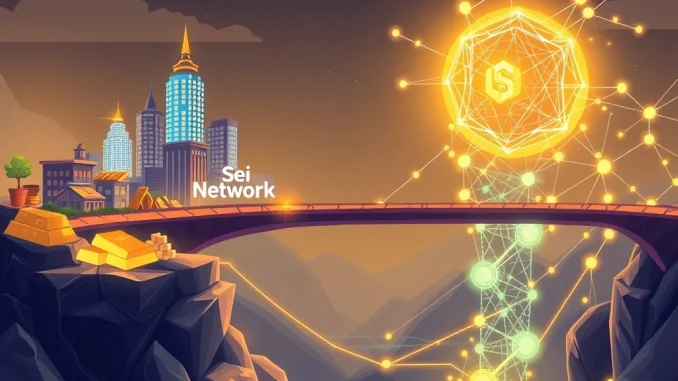
KAIO’s decision to integrate with the Sei Network represents a strategic alignment of purpose and technology. This integration allows KAIO to leverage Sei’s ultra-fast transaction capabilities and specialized trading infrastructure. Specifically, the move enables the $200 million in tokenized assets on KAIO’s platform to seamlessly interact with Sei-based DeFi protocols. This means users can now access these valuable real-world assets within a high-performance environment. The benefits are manifold. For instance, assets tokenized by KAIO can be used as collateral for lending, traded on decentralized exchanges, or integrated into various financial instruments on Sei. Furthermore, the integration opens up new liquidity pools for RWA-backed tokens, potentially increasing their market depth and stability. This partnership creates a powerful synergy, combining KAIO’s expertise in RWA tokenization with Sei’s optimized blockchain for trading. Ultimately, this collaboration expands the utility and reach of tokenized RWAs, bringing them to a wider audience within a highly efficient ecosystem.
Unlocking $200 Million and Expanding the DeFi Ecosystem
The integration between KAIO and Sei Network immediately unlocks a substantial amount of capital. Specifically, $200 million in existing tokenized assets on KAIO’s platform now gain access to the dynamic Sei Network DeFi ecosystem. This significant influx of capital brings several key advantages. Firstly, it provides new avenues for liquidity for these previously tokenized real-world assets. Users holding KAIO-tokenized assets can now explore a broader range of financial activities, from staking to borrowing, within Sei’s high-speed environment. Secondly, this integration acts as a powerful magnet for further development. It incentivizes new DeFi protocols to build on Sei, knowing that a substantial pool of RWA-backed liquidity is readily available. Consequently, this fosters innovation and expands the overall utility of decentralized finance. The enhanced interoperability between KAIO and Sei demonstrates the growing maturity of the RWA sector. Ultimately, this move strengthens the position of both KAIO and Sei as leaders in their respective domains, driving the evolution of the broader crypto landscape.
The Future of RWA Tokenization and DeFi Growth
The partnership between the KAIO project and the Sei Network underscores a major trend in the cryptocurrency space: the increasing convergence of traditional and decentralized finance. RWA tokenization is poised for explosive growth, driven by its ability to unlock illiquid assets and bring them onto transparent, efficient blockchains. Experts predict a significant increase in the total value of tokenized real-world assets in the coming years. This growth will likely attract more institutional investors seeking new avenues for diversification and yield. Furthermore, as regulatory frameworks evolve, the adoption of RWA-backed tokens will accelerate. The enhanced utility provided by integrations like KAIO-Sei will play a crucial role in this expansion. Ultimately, the ability to seamlessly integrate real-world value with the speed and innovation of networks like Sei will propel the entire DeFi ecosystem into its next phase of development. This evolution promises greater financial inclusion and more robust, globally accessible financial markets.
In conclusion, KAIO’s integration with the Sei Network represents a landmark achievement in the journey of RWA tokenization. This strategic move not only unlocks $200 million in tokenized assets for the high-performance Sei Network DeFi ecosystem but also sets a precedent for future collaborations. It highlights the immense potential when specialized projects like the KAIO project leverage advanced blockchain infrastructure. The enhanced liquidity, accessibility, and utility offered by this partnership will undoubtedly accelerate the adoption of real-world assets within decentralized finance. As the crypto industry matures, such integrations will become increasingly vital, bridging the gap between traditional finance and the innovative world of blockchain technology. The future of finance looks increasingly integrated and tokenized.
Frequently Asked Questions (FAQs)
Q1: What is RWA tokenization?
A1: RWA tokenization is the process of converting real-world assets (like real estate, art, or commodities) into digital tokens on a blockchain. This allows for fractional ownership, increased liquidity, and easier transferability within the digital economy.
Q2: What is the KAIO project?
A2: The KAIO project specializes in real-world asset (RWA) tokenization. It provides a platform to bring various physical and financial assets onto the blockchain, making them accessible and usable within decentralized finance (DeFi) ecosystems.
Q3: What is the Sei Network?
A3: The Sei Network is a Layer 1 blockchain specifically optimized for trading. It offers high transaction speed, low latency, and a built-in order matching engine, making it ideal for decentralized exchanges and other high-performance DeFi applications.
Q4: What does KAIO’s integration with Sei Network mean for users?
A4: This integration allows $200 million in tokenized real-world assets from KAIO to be utilized within the Sei-based DeFi ecosystem. Users can now access these assets for trading, lending, or collateral on Sei’s high-performance platform, enhancing liquidity and utility.
Q5: How does this integration benefit the broader DeFi ecosystem?
A5: The integration brings significant real-world value into the DeFi space, increasing overall liquidity and attracting new participants. It fosters innovation by providing more diverse collateral options and encourages the development of new RWA-centric protocols on Sei Network.