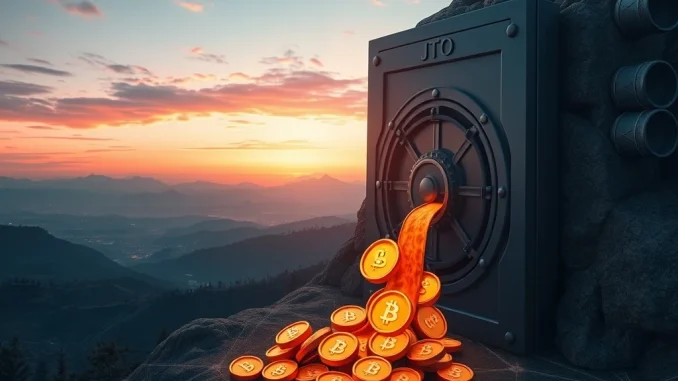
In a significant move for the decentralized finance (DeFi) landscape, Jito’s Cryptoeconomics subDAO has announced a groundbreaking strategy. This initiative focuses entirely on the **JTO Buyback** program. The subDAO is now directing all its revenue towards repurchasing JTO tokens from the open market. This decision follows the successful passage of governance proposal JIP-24, marking a new era for the **Jito Token** and its community.
Understanding the JTO Buyback Mechanism
The core of this strategy lies in a transparent and community-driven approach. Following the approval of JIP-24, all fees generated by Cryptoeconomics’ Block Engine and Block Assembly Marketplace (BAM) are now channeled directly to the Jito DAO. These funds are then used to execute the ongoing **JTO Buyback** program. This mechanism ensures that the subDAO’s operational success directly benefits the broader Jito ecosystem.
Specifically, the Block Engine optimizes transaction ordering on the Solana blockchain. Similarly, the Block Assembly Marketplace facilitates efficient block production. Both generate substantial fees. Therefore, these revenues are not retained by the subDAO. Instead, they flow back into the ecosystem, supporting the token’s value. This model aligns incentives between the subDAO’s operations and the token holders.
Impact on Jito Token and Ecosystem
The financial commitment to the **JTO Buyback** program is substantial. Reports indicate that over $2.5 million worth of JTO tokens have already been repurchased since August. This demonstrates a strong and consistent effort. The program’s continuation depends on ongoing approval from the Jito DAO. Furthermore, the monthly buyback volume directly correlates with the previous month’s revenue. This creates a dynamic and sustainable model.
For holders of the **Jito Token**, this strategy brings several potential benefits. Buybacks typically reduce the circulating supply of a token. Consequently, this can increase scarcity and potentially drive up the token’s price. Moreover, it signals confidence from the project’s developers and community in the long-term value of JTO. This sustained demand can stabilize the token’s market performance.
Jito DAO’s Vision and Governance
The **Jito DAO** plays a central role in this strategic initiative. It acts as the governing body, ensuring community oversight and approval for key decisions like the buyback program. This decentralized governance model is a cornerstone of the **Jito Blockchain**. It empowers token holders to shape the project’s future. Thus, the DAO’s continued approval is vital for the buyback’s longevity.
The passage of JIP-24 exemplifies the power of decentralized governance. Community members proposed and voted on this significant economic policy. This process ensures that the project remains aligned with its community’s interests. Such transparent decision-making fosters trust and participation within the **Jito Blockchain** community. Therefore, the DAO’s role extends beyond mere approval; it represents the collective will of its stakeholders.
Broader Implications of Cryptocurrency Buybacks
This move by Jito’s subDAO highlights a growing trend in the digital asset space: **Cryptocurrency Buybacks**. Many traditional companies use stock buybacks to return value to shareholders. Similarly, crypto projects are adopting this strategy. They aim to enhance tokenomics and foster a robust ecosystem. These programs often indicate a project’s financial health and commitment to its token holders.
Furthermore, **Cryptocurrency Buybacks** can attract new investors. They see a project actively working to support its token’s value. This can create a positive feedback loop, drawing more capital and liquidity into the ecosystem. However, the long-term success of such programs relies on sustained revenue generation and effective governance. Jito’s model, linking buybacks directly to operational revenue, appears well-structured for sustainability.
The Future of Jito Blockchain and Cryptoeconomics
The Cryptoeconomics subDAO’s decision marks a pivotal moment for the **Jito Blockchain**. It solidifies a clear and beneficial use case for its generated revenue. This strategic allocation strengthens the economic foundation of the entire Jito ecosystem. Looking ahead, this commitment could pave the way for further innovative tokenomic strategies. It could also encourage more active participation within the **Jito DAO**.
The ongoing success of this buyback program will serve as a testament to Jito’s innovative approach. It shows how a decentralized project can effectively manage its treasury. This strategy directly benefits its community. As the program continues, it will be interesting to observe its long-term effects on the **Jito Token** price and market sentiment. Ultimately, this move positions Jito as a leader in sustainable DeFi economics.
Conclusion
Jito’s Cryptoeconomics subDAO has implemented a forward-thinking strategy by dedicating all revenue to **JTO Buyback** initiatives. This decision, driven by the **Jito DAO** and supported by JIP-24, directly enhances the value proposition of the **Jito Token**. It underscores a commitment to robust tokenomics and community benefit. As the program progresses, it reinforces Jito’s position as a dynamic and responsible player within the broader **Jito Blockchain** ecosystem and the world of **Cryptocurrency Buybacks**.
Frequently Asked Questions (FAQs)
What is the JTO Buyback program?
The JTO Buyback program is an initiative by Jito’s Cryptoeconomics subDAO. It uses all revenue generated from its Block Engine and Block Assembly Marketplace (BAM) to repurchase JTO tokens from the market. This aims to reduce circulating supply and potentially increase token value.
How much JTO has been repurchased so far?
Since August, a total of $2.5 million worth of JTO tokens has been repurchased through this program. This demonstrates a significant ongoing commitment.
What is JIP-24?
JIP-24 refers to Governance Proposal JIP-24. This proposal was passed by the Jito DAO. It authorized the Cryptoeconomics subDAO to direct all its operational fees towards the JTO Buyback program.
How does the Jito DAO influence the buyback program?
The Jito DAO, as the governing body, approves the continuation of the buyback program. Its ongoing approval ensures the program aligns with the community’s interests and overall project goals. Token holders vote on such proposals.
What are the benefits of this buyback for JTO token holders?
For JTO token holders, the buyback program can lead to several benefits. These include increased scarcity of the token, potential price appreciation, and enhanced market stability. It also signals strong confidence in the project’s future.
Will the JTO Buyback program continue indefinitely?
The program will continue as long as the Jito DAO approves it. The monthly buyback volume is proportional to the previous month’s revenue, ensuring a sustainable and dynamic approach based on operational performance.