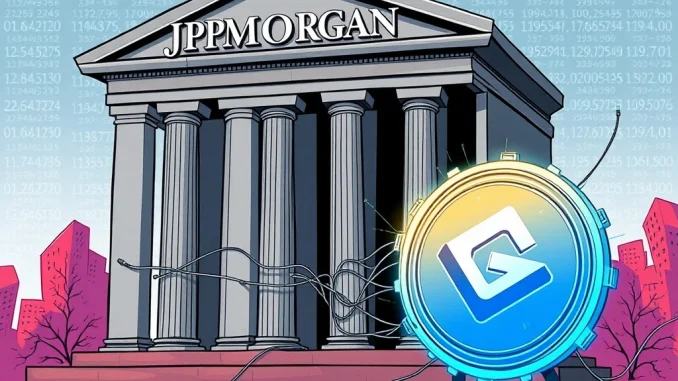
The financial world is abuzz with the latest development concerning JPMorgan and crypto exchange Gemini. In a move that has sent ripples across both traditional finance and the burgeoning digital asset space, JPMorgan has reportedly suspended its re-onboarding process for Gemini. This decision follows sharp public criticism from Gemini co-founder Tyler Winklevoss, who has accused the banking giant of anti-competitive practices. This isn’t just a corporate spat; it’s a critical moment highlighting the ongoing tensions and regulatory challenges facing crypto exchange platforms as they seek deeper integration with traditional financial infrastructure.
What’s the Core of the JPMorgan-Gemini Dispute?
At the heart of this unfolding drama is a clash over data access and Open Banking principles. Tyler Winklevoss publicly alleged that JPMorgan‘s suspension of Gemini’s re-onboarding is retaliatory. His criticism stems from JPMorgan’s efforts to undermine the Consumer Financial Protection Bureau’s (CFPB) Open Banking Rule. This crucial regulation empowers consumers to freely share their banking data with third-party fintech services. Winklevoss argues that JPMorgan’s proposed data access fees and restrictive policies are designed to limit consumer rights and stifle innovation. He directly linked the bank’s reversal on Gemini’s client status to his vocal opposition, stating, “They want us to stay silent while they quietly try to take away your right to access your banking data for free.”
Why is Open Banking So Crucial for Crypto Exchanges?
The concept of Open Banking is a cornerstone for the seamless integration of digital assets into the broader financial system. For platforms like Gemini and other crypto exchange services, unrestricted access to banking data via third-party fintechs (like Plaid) is vital. It allows users to easily connect their bank accounts for deposits and withdrawals, fostering accessibility and user adoption. If traditional banks like JPMorgan impose prohibitive fees or restrictions on data sharing, it disproportionately harms startups and smaller platforms. This could create significant barriers for consumers trying to access digital assets, effectively centralizing control and limiting the very decentralization that blockchain technology champions. The ongoing debate underscores how critical these frameworks are for the growth and mainstream acceptance of cryptocurrencies.
How Does This Impact Gemini and the Wider Crypto Ecosystem?
For Gemini, this suspension represents a notable setback in its efforts to deepen ties with traditional finance. While the immediate operational impact might be managed, the symbolic message is clear: navigating the established financial landscape remains fraught with challenges for crypto platforms. Beyond Gemini, the broader crypto exchange ecosystem faces similar scrutiny and potential hurdles. Critics argue that such alleged “de-banking” tactics, if unchecked, could hinder innovation and limit consumer choice. The controversy intensifies the existing tensions between traditional financial institutions and the decentralized ethos of crypto. If banks prioritize stringent regulatory compliance to the point of restricting open access, it risks creating a fragmented environment where crypto startups struggle to secure essential financial support, potentially stifling the industry’s growth.
What Are Tyler Winklevoss’s Key Concerns?
Tyler Winklevoss, co-founder of Gemini, has been outspoken about his concerns regarding JPMorgan‘s actions. His primary contention revolves around the bank’s alleged attempts to overturn the CFPB’s Open Banking Rule. Winklevoss claims that JPMorgan’s proposed data access fees are a strategic move to restrict consumers’ fundamental right to share their own banking information freely. He views this as a broader strategy by traditional financial giants to stifle competition and innovation, particularly in the fintech and crypto sectors. He specifically highlighted how such fees would disproportionately affect essential services like Plaid, which facilitate the crucial links between bank accounts and various crypto services. For Winklevoss, this isn’t just about JPMorgan and Gemini; it’s about protecting consumer rights and ensuring a level playing field for innovation in digital finance.
Challenges and Broader Implications
The situation highlights a complex interplay of regulatory compliance, market competition, and technological evolution.
- Regulatory Uncertainty: The lack of clear, consistent regulatory responses to de-banking tactics leaves crypto projects in a precarious position.
- Centralized Gatekeeping: Allegations of banks acting as “centralized gatekeepers” directly challenge the decentralization principles of blockchain.
- Innovation vs. Control: The debate pits the desire for financial innovation against traditional institutions’ need for control and risk mitigation.
- Consumer Access: Restrictive fees or infrastructure withdrawals could limit consumer access to digital assets and innovative financial services.
JPMorgan, while not directly addressing Winklevoss’s specific claims, has consistently emphasized its focus on compliance and risk mitigation, particularly concerning anti-money laundering (AML) frameworks for crypto clients. This stance, however, seems to contrast with a broader acknowledgment of growing institutional interest in digital assets, as the bank itself has explored blockchain applications. The incident also echoes similar accusations against other major banks, such as Deutsche Bank, which has faced allegations of pressuring partners to disengage from crypto ventures.
Regulatory Landscape and Future Outlook
The outcome of this particular dispute, and similar ones, could significantly influence the future regulatory landscape for digital assets. A decisive shift towards stricter oversight of de-banking practices could foster a more equitable and competitive environment for crypto projects. Conversely, regulatory inaction might entrench the dominance of traditional institutions, making it harder for crypto and fintech startups to thrive. The ripple effects could extend globally, shaping how various jurisdictions approach the integration of digital assets into established financial systems. For now, the actions of JPMorgan serve as a stark reminder of the delicate balance required between ensuring financial stability, promoting fair competition, and embracing technological progress in the rapidly evolving world of finance.
Summary
The suspension of Gemini‘s re-onboarding by JPMorgan, triggered by Tyler Winklevoss‘s forceful allegations of anti-competitive behavior and attempts to undermine Open Banking rules, marks a pivotal moment in the ongoing tension between traditional finance and the crypto ecosystem. This incident underscores the critical importance of open data access for crypto exchange platforms and highlights the significant hurdles digital asset companies face in securing traditional financial infrastructure. The debate extends beyond a single bank and a single exchange, raising fundamental questions about consumer rights, innovation, and the future regulatory environment for decentralized finance. As the industry watches closely, the resolution of such disputes will undoubtedly shape the accessibility and growth trajectory of digital assets worldwide.
Frequently Asked Questions (FAQs)
- What is the main reason JPMorgan suspended Gemini’s re-onboarding?
JPMorgan suspended Gemini’s re-onboarding following public criticism from co-founder Tyler Winklevoss, who accused the bank of anti-competitive practices, specifically related to its opposition to the CFPB’s Open Banking Rule and proposed data access fees. - What is the Open Banking Rule and why is it important for crypto?
The Open Banking Rule allows consumers to freely share their banking data with third-party fintech services. For crypto exchanges, this is crucial as it enables seamless connections between bank accounts and crypto platforms for transactions, fostering accessibility and innovation. - Who is Tyler Winklevoss and what are his allegations?
Tyler Winklevoss is the co-founder of Gemini. He alleges that JPMorgan’s actions are retaliatory, aimed at stifling competition and innovation in the fintech and crypto sectors by restricting consumer data rights and imposing fees that would harm startups. - How does this situation impact the broader crypto ecosystem?
This incident highlights the challenges crypto platforms face in integrating with traditional finance. It raises concerns about “de-banking” tactics, potential barriers to consumer access to digital assets, and the need for clear regulatory frameworks to ensure fair competition and innovation in the crypto space. - Has JPMorgan directly responded to Winklevoss’s claims?
JPMorgan has not directly addressed Winklevoss’s specific allegations but has reiterated its focus on compliance and risk mitigation, particularly regarding anti-money laundering (AML) concerns when dealing with crypto clients. - Are other banks facing similar accusations regarding crypto ventures?
Yes, the article mentions that Deutsche Bank has also faced accusations of pressuring partners to disengage from crypto ventures, indicating this is not an isolated incident within the traditional banking sector.