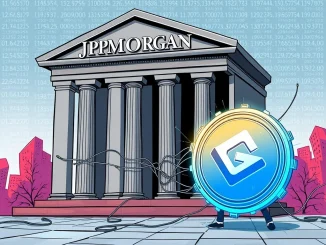
In a stunning development shaking the foundations of both traditional finance and the burgeoning digital asset space, JPMorgan Chase has reportedly suspended its partnership with leading crypto exchange Gemini. This dramatic pause comes amidst fiery accusations from Gemini co-founder Tyler Winklevoss, who alleges the banking giant is retaliating against his outspoken criticism of its data fees and open-banking policies. For anyone invested in the future of digital finance, the unfolding saga between JPMorgan Gemini is more than just a corporate spat; it’s a critical battleground for the future of financial accessibility and innovation.
Why Did JPMorgan Gemini’s Partnership Suddenly Halt?
The core of this escalating dispute lies in Tyler Winklevoss’s public statements regarding JPMorgan’s alleged actions. According to Winklevoss, the onboarding process for Gemini was paused by JPMorgan after he voiced critiques concerning the bank’s push to charge fintech companies for access to customer banking data. He described this move as an intentional effort to “silence crypto advocates,” suggesting a broader tension between established financial institutions and the rapidly expanding crypto sector.
This isn’t just about one partnership; it highlights a systemic challenge. Winklevoss pointed out that JPMorgan, a titan in traditional finance, is accused of using its market power to stifle innovation. The implications for the JPMorgan Gemini relationship, and indeed for the entire crypto ecosystem, are significant. It raises questions about how traditional banks will interact with digital asset firms moving forward, especially when core business models clash.
Unpacking the Battle Over Open Banking Policies
At the heart of Winklevoss’s criticism are open banking policies, specifically a key rule under Section 1033 of the Consumer Financial Protection Bureau (CFPB). This rule aims to allow free access to banking data for third-party applications, like Plaid, which are crucial for connecting traditional bank accounts to crypto platforms. These connections enable users to fund cryptocurrency purchases seamlessly.
Winklevoss alleges that JPMorgan and other banks are actively fighting this rule in court. Their goal, he claims, is to replace free data access with costly paywalls. This shift would force fintechs, including those in the crypto space, to pay for data access that was previously free. Such a change, if implemented, could severely impact the financial viability of many startups and established fintech companies, potentially leading to increased costs for consumers or even the demise of smaller players. The struggle over open banking policies is fundamentally about who controls customer financial data and how that control shapes the competitive landscape.
The Broader Challenge for Crypto Banking Relationships
This incident is not isolated. It reflects a larger, ongoing struggle for crypto banking relationships within the traditional financial system. Many digital asset companies have faced significant challenges in securing and maintaining banking support in recent years. This has often forced them to adopt complex workarounds or even relocate their services overseas to jurisdictions more amenable to crypto businesses.
Winklevoss framed JPMorgan’s alleged actions as part of a broader phenomenon he termed “Operation ChokePoint 2.0.” This unofficial term refers to perceived efforts by regulatory bodies and traditional banks to marginalize or cut off financial services to digital currency firms. The “de-banking” issue, where crypto firms struggle to access essential financial services like basic bank accounts, has become a persistent headache for the industry. The incident with crypto banking highlights the precarious position many digital asset firms find themselves in, navigating a financial world that is often hesitant, if not outright hostile, towards their operations.
Analyzing the Weight of Winklevoss Accusations
Tyler Winklevoss has been vocal in his Winklevoss accusations, not just against JPMorgan but also regarding the broader implications for the U.S. position in the global crypto landscape. He explicitly linked the bank’s legal challenges to efforts that contradict the vision of establishing the U.S. as a global leader in crypto innovation. This introduces a significant political dimension to the debate, suggesting that the actions of large financial institutions could impact national economic strategy.
The accusations paint a picture of traditional finance protecting its turf against disruptive technologies. JPMorgan, despite investing in blockchain technology and custody solutions, faces scrutiny over its alleged response to Gemini’s challenges. The bank’s silence on these specific Winklevoss accusations has only fueled concerns about transparency and potential anti-competitive tactics. This public standoff amplifies calls for more equitable banking practices and highlights the importance of institutional support for financial innovation to thrive.
The Looming Impact of Fintech Data Fees
The dispute over fintech data fees is a critical battlefront for the future of financial innovation. If banks succeed in charging for data access that was previously free, it could significantly increase operational costs for fintech companies. This would disproportionately affect smaller startups and potentially stifle the development of new, consumer-friendly financial applications.
The ability for apps like Plaid to freely connect traditional bank accounts to crypto platforms is a cornerstone of current digital asset adoption. If this access becomes prohibitively expensive due to increased fintech data fees, it could create significant friction for users wanting to fund their crypto purchases. This would not only harm fintechs but also make it harder for the average consumer to engage with the digital asset economy, potentially slowing down crypto adoption and innovation in the U.S.
Conclusion: A Critical Juncture for Crypto and Traditional Finance
The suspension of the JPMorgan Gemini partnership, spurred by Tyler Winklevoss’s bold accusations, marks a critical juncture in the ongoing dialogue between traditional finance and the crypto world. This isn’t just about a single banking relationship; it’s a high-stakes conflict over data access, competitive practices, and the very future of financial innovation. The outcome of this dispute could set a precedent for how other legacy institutions engage with crypto projects, influencing regulatory approaches and market dynamics globally.
As the crypto community watches closely, the silence from JPMorgan only amplifies concerns about transparency and the potential for powerful entities to stifle competition. Winklevoss’s public stance has ignited a broader conversation about equitable banking practices and the necessity of institutional support for a thriving digital economy. The situation remains unresolved, leaving many to wonder when—or if—this significant partnership will resume, and what long-term implications this will have for the evolving financial landscape.
Frequently Asked Questions (FAQs)
Q1: Why did JPMorgan suspend its partnership with Gemini?
A1: According to Gemini co-founder Tyler Winklevoss, JPMorgan suspended the partnership as alleged retaliation for his public criticism of the bank’s data fees and open-banking policies, which he claims stifle innovation in the fintech and crypto sectors.
Q2: What are ‘open banking policies’ and why are they important in this dispute?
A2: Open banking policies, particularly under Section 1033 of the CFPB, aim to give consumers free access to their banking data for use with third-party applications like Plaid. This is crucial for fintechs and crypto platforms to connect with traditional bank accounts, enabling users to fund digital asset purchases. Winklevoss alleges JPMorgan is fighting to replace this free access with costly paywalls.
Q3: What does ‘Operation ChokePoint 2.0’ refer to in the context of this article?
A3: ‘Operation ChokePoint 2.0’ is a term used by some crypto advocates, including Tyler Winklevoss, to describe an unofficial campaign where traditional financial institutions and regulators allegedly marginalize or cut off essential banking services to digital currency firms, leading to a ‘de-banking’ issue for crypto companies.
Q4: How might this dispute impact the broader fintech and crypto industries?
A4: If banks succeed in charging high fees for data access, it could significantly increase operational costs for fintechs, potentially stifling innovation and making it harder for consumers to connect their traditional bank accounts to crypto platforms. This could slow down crypto adoption and growth.
Q5: Has JPMorgan commented on Tyler Winklevoss’s accusations?
A5: As of the reporting, JPMorgan has not publicly commented on the specific allegations made by Tyler Winklevoss, which has drawn further scrutiny from the crypto community regarding transparency.