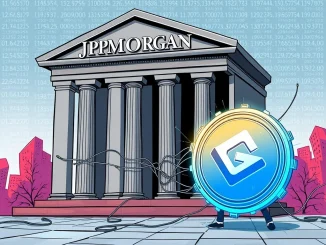
A seismic shift has rocked the cryptocurrency world, with financial giant JPMorgan Chase & Co. reportedly pausing its efforts to re-onboard Gemini Trust Co. as a client. This pivotal decision, unfolding on July 25, 2025, stems directly from public criticism leveled by Gemini’s co-founder, Tyler Winklevoss, against JPMorgan CEO Jamie Dimon. The standoff between JPMorgan Gemini is not merely a corporate dispute; it’s a dramatic underscore of the growing tensions between traditional finance and the crypto ecosystem, raising critical questions about data access, market stability, and the very future of how digital assets interact with legacy banking.
Why Did JPMorgan Halt Gemini Banking? Unpacking the Tyler Winklevoss Controversy
The immediate trigger for JPMorgan’s decision appears to be a direct challenge from Tyler Winklevoss. In a bold public statement, Winklevoss accused JPMorgan of retaliating against his fervent advocacy for open banking policies, framing the bank’s actions as an attempt to suppress transparency in financial data access. His words, “They want us to stay silent while they quietly try to take away your right to access your banking data for free. Sorry, Jamie Dimon, we’re not going to stay silent,” encapsulate the ideological battle at play.
This isn’t the first time JPMorgan Gemini have faced a contentious relationship. The bank had previously severed ties with Gemini during the infamous 2018 “Operation ChokePoint 2.0” initiative, a period characterized by regulatory pressure targeting crypto firms. The current pause in re-onboarding signals a renewed, and perhaps intensified, friction, highlighting JPMorgan’s strategic response to public dissent and its broader stance on engaging with the digital asset industry.
The Precarious State of Crypto Banking Relationships
For any cryptocurrency exchange, stable and reliable crypto banking partnerships are not just convenient; they are absolutely essential for survival. Exchanges rely on traditional banks to facilitate fiat deposits and withdrawals, enabling users to convert between national currencies and digital assets. The halt in JPMorgan’s re-onboarding efforts for Gemini underscores the fragile nature of these relationships and the significant power wielded by major financial institutions.
The disruption sparked by the JPMorgan Gemini impasse has sent ripples through the crypto community, particularly concerning liquidity for major assets like Bitcoin (BTC) and Ethereum (ETH). Without robust banking access, an exchange’s ability to process fiat transactions is severely hampered, directly impacting trading volumes and potentially causing market inefficiencies. This incident serves as a stark reminder that despite the decentralized nature of cryptocurrencies, their integration with the broader financial system remains heavily reliant on centralized banking infrastructure.
Understanding the Fiat-Crypto Gateway Impact and Market Ripples
A fiat-crypto gateway is the critical bridge connecting the traditional financial system (fiat currencies like USD, EUR) with the cryptocurrency market. When this gateway is disrupted, it creates significant hurdles for users looking to enter or exit the crypto space, and for exchanges managing their liquidity. The situation with JPMorgan Gemini highlights how easily these vital conduits can be constrained, impacting the entire market.
Historically, such disruptions have often led to increased demand for stablecoins. These digital assets, pegged to fiat currencies, offer an alternative to traditional banking rails for moving value within the crypto ecosystem. If exchanges face consistent challenges in securing traditional banking partners, we might see a further acceleration in the adoption and reliance on stablecoins, potentially redefining the mechanisms for value transfer in the digital asset landscape. The incident thus doesn’t just affect Gemini; it signals a potential shift in how the broader crypto market navigates its reliance on traditional finance.
The Broader Battle for Open Banking and Financial Transparency
At its core, the JPMorgan Gemini dispute is a microcosm of a much larger ideological clash: the battle for open banking. Tyler Winklevoss’s public campaign is not just about Gemini’s banking access; it’s about advocating for a system where consumers have greater control over their financial data, and where interoperability between financial services is the norm. Proponents of open banking argue it fosters innovation, competition, and consumer empowerment by allowing third-party financial service providers secure access to customer banking data with consent.
Conversely, traditional financial institutions like JPMorgan often express concerns about security, privacy, and the regulatory complexities associated with such widespread data sharing. Their actions, such as suspending banking relationships in response to advocacy, signal that major banks may increasingly leverage their market power to influence regulatory outcomes and maintain centralized control over financial data. The outcome of this standoff could significantly influence future regulatory frameworks, particularly as policymakers strive to balance financial stability with the imperative for innovation in the crypto space.
Key Challenges and Implications for the Crypto Ecosystem:
- Liquidity Crunch: Potential for reduced fiat liquidity on affected exchanges, impacting trading and asset prices for BTC, ETH, and other cryptocurrencies.
- Increased Reliance on Stablecoins: Heightened demand for stablecoins as an alternative to traditional fiat on-ramps/off-ramps.
- Regulatory Scrutiny: The incident amplifies debates around regulatory frameworks for crypto-traditional finance interactions, potentially leading to new guidelines or enforcement actions.
- Diversification Strategy: Crypto firms may be compelled to diversify their banking partners globally to mitigate single-point-of-failure risks.
- Ideological Divide: Further entrenchment of the divide between proponents of centralized financial control and advocates for decentralized, open financial systems.
Actionable Insights for Crypto Users and Businesses:
For individuals and businesses navigating the crypto landscape, the JPMorgan Gemini incident serves as a critical lesson:
- Diversify Your Fiat Gateways: Do not rely on a single exchange or banking partner for your fiat-crypto conversions. Explore multiple reputable platforms and methods.
- Understand Stablecoin Utility: Familiarize yourself with stablecoins as a means of transferring value within the crypto ecosystem, especially during periods of traditional banking uncertainty.
- Stay Informed on Regulatory Shifts: Keep a close eye on policy developments concerning open banking and traditional finance’s engagement with crypto. These changes directly impact market access and operational stability.
- Support Advocacy for Open Finance: If you believe in financial transparency and user control, understand the arguments for open banking and its potential benefits for the broader digital asset space.
A Defining Moment in Crypto-Finance Relations
The standoff between JPMorgan Gemini is more than just a headline; it’s a defining moment at the volatile intersection of legacy finance and digital innovation. It lays bare the power dynamics, ideological clashes, and critical dependencies that shape the crypto market. While the immediate impact revolves around Gemini’s operational certainty, the broader implications for crypto banking, fiat-crypto gateway stability, and the ongoing push for open banking are profound. As the situation evolves, it will undoubtedly influence future regulatory frameworks and potentially redefine the role of traditional banks in an increasingly digital financial world. This case study serves as a stark reminder of the ongoing struggle for autonomy and transparency in the global financial system.
Frequently Asked Questions (FAQs)
What triggered JPMorgan’s decision to halt Gemini’s banking?
JPMorgan’s decision to pause re-onboarding Gemini as a client was reportedly triggered by public criticism from Gemini co-founder Tyler Winklevoss, who accused JPMorgan CEO Jamie Dimon of retaliating against his advocacy for open banking policies and free access to banking data.
What is “Operation ChokePoint 2.0” and how does it relate to this incident?
“Operation ChokePoint 2.0” refers to an informal, concerted effort by traditional financial institutions and regulators around 2018 to pressure banks into terminating relationships with businesses deemed high-risk, including many crypto firms. JPMorgan had previously terminated its relationship with Gemini during this period, indicating a contentious history that predates the current incident.
How does this impact Bitcoin (BTC) and Ethereum (ETH) liquidity?
Crypto exchanges rely on traditional banking partnerships to facilitate fiat transactions (deposits and withdrawals). If a major exchange like Gemini faces banking restrictions, it can hinder its ability to process these transactions, potentially reducing the liquidity available for major assets like Bitcoin (BTC) and Ethereum (ETH) on that platform, and possibly impacting market efficiency.
What are fiat-crypto gateways and why are they important?
Fiat-crypto gateways are the essential services that allow users to convert traditional government-issued currencies (fiat) like USD or EUR into cryptocurrencies, and vice-versa. They are crucial for onboarding new users into the crypto ecosystem and for facilitating the buying, selling, and trading of digital assets. Disruptions to these gateways can severely impact market access and liquidity.
What is open banking, and why is Tyler Winklevoss advocating for it?
Open banking is a financial services concept that, with customer consent, allows third-party financial service providers access to customer banking data. Tyler Winklevoss is advocating for open banking to promote greater transparency, interoperability, and consumer control over financial data, arguing that it fosters innovation and prevents centralized institutions from monopolizing financial information.
What could be the long-term implications for crypto firms from this incident?
The long-term implications could include increased pressure on crypto firms to diversify their banking relationships globally, a potential acceleration in the adoption and reliance on stablecoins as alternatives to traditional banking rails, and heightened scrutiny on regulatory frameworks governing the interaction between traditional finance and the crypto industry. It also underscores the ongoing power struggle between legacy financial institutions and the evolving digital asset landscape.