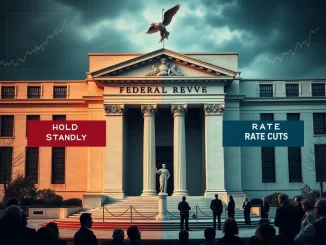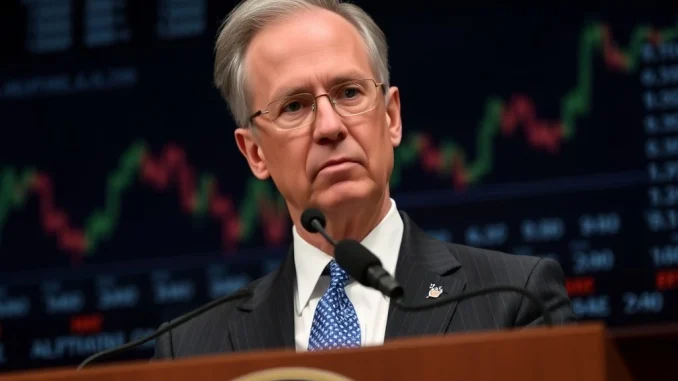
The global financial community closely watches every pronouncement from the Federal Reserve. Recently, Jerome Powell, the esteemed Chair of the Federal Reserve, delivered a crucial statement. He emphasized a cautious approach to interest rates, stating there is "no need to rush." This measured stance offers vital insights into the Fed’s current monetary policy and the broader economic outlook. For cryptocurrency investors, understanding these macro signals is paramount. The Fed’s decisions often ripple through all asset classes. Therefore, these announcements carry significant weight across markets.
Jerome Powell’s Measured Stance on Interest Rates
Federal Reserve Chair Jerome Powell has reiterated his patient perspective on monetary adjustments. During a recent address, he highlighted the central bank’s unwavering commitment. The Fed will carefully assess all incoming economic data. This includes inflation trends and labor market indicators. Powell’s comments strongly suggest a deliberate strategy. They aim to avoid premature shifts in interest rates. This approach seeks to ensure sustainable economic growth. It also targets long-term price stability. The central bank remains flexible, adapting its monetary policy as conditions evolve. Such a measured pace provides market clarity. Furthermore, it helps to reduce volatility in financial markets. Investors and businesses can thus plan with greater confidence. This transparency is crucial for economic stability.
Powell’s remarks underscore a fundamental principle. The Fed prefers a data-dependent approach. They do not wish to react impulsively to short-term fluctuations. Instead, they seek confirmation of sustained trends. This cautious method prevents potential policy errors. It helps to guide the economy toward its dual mandate goals. The Fed’s communication strategy is also key. By clearly articulating its intentions, it manages market expectations. This reduces uncertainty about future interest rates. Consequently, the broader economic outlook benefits from this deliberate posture. This approach allows for adaptability in an ever-changing global environment.
Understanding the Federal Reserve’s Monetary Policy Framework
The Federal Reserve operates with a dual mandate. Its primary goals are maximum employment and price stability. These two objectives guide all its policy decisions. Adjusting interest rates is a primary tool for achieving these aims. Lower rates typically stimulate borrowing and spending. This can boost economic activity. Conversely, higher rates curb inflation by making borrowing more expensive. The Fed’s current strategy reflects a delicate balance. It acknowledges past inflationary pressures. Yet, it also recognizes the economy’s remarkable resilience. The central bank avoids hasty actions. It prefers to observe trends over an extended period. This careful approach shapes the entire economic outlook. It impacts everything from housing costs to investment returns. Market participants keenly analyze every statement for clues.
Beyond the federal funds rate, the Fed uses other tools. Quantitative easing (QE) and quantitative tightening (QT) are significant. QE involves buying government bonds. This injects liquidity into the financial system. It also lowers long-term interest rates. QT, conversely, involves reducing the Fed’s balance sheet. This withdraws liquidity. It can put upward pressure on long-term rates. Forward guidance is another critical instrument. This involves communicating the Fed’s future intentions. It helps to anchor market expectations. Together, these tools form the comprehensive framework of monetary policy. Each element contributes to shaping the nation’s economic outlook. The current "no rush" stance suggests a period of observation for these various tools. This allows for a thorough assessment of their cumulative impact.
The Fed’s independence is another vital aspect of its framework. This allows it to make decisions based on economic data. It can avoid short-term political pressures. This institutional design is crucial for long-term stability. It helps to maintain credibility in financial markets. Furthermore, the Fed conducts extensive research. This informs its understanding of economic dynamics. It also supports its policy-making process. The goal is always to achieve the best possible outcomes. This means balancing competing economic forces. Therefore, the **Federal Reserve** continually refines its approach. It aims to foster robust and sustainable growth.
Why the Fed Sees No Need to Rush on Interest Rates
Several significant factors contribute to the Fed’s patient posture. Firstly, inflation has shown clear signs of moderating. While still above the 2% target, the pace of increases has slowed considerably. This trend is evident in both the Consumer Price Index (CPI) and the Personal Consumption Expenditures (PCE) price index. The PCE is the Fed’s preferred inflation gauge. Core inflation, which excludes volatile food and energy prices, has also eased. Secondly, the labor market remains remarkably robust. Unemployment rates are low. Wage growth has been steady. However, the Fed seeks further evidence. It needs to confirm that inflation is sustainably moving towards its target. They want to avoid a "stop-go" policy. This could lead to renewed inflationary pressures. Therefore, a cautious approach to interest rates is prudent.
Global economic uncertainties also play a crucial role. Geopolitical events can significantly impact supply chains. They can also affect commodity prices worldwide. For example, energy price volatility can quickly feed into domestic inflation. Trade tensions or international conflicts introduce further unpredictability. These external factors are beyond the Fed’s direct control. Therefore, the Federal Reserve prefers a wait-and-see strategy. This avoids potential overreactions to temporary shocks. It ensures policy decisions are thoroughly data-driven. This cautious stance profoundly influences the broader economic outlook. The Fed must balance domestic conditions with global headwinds. This complex assessment informs their decision-making process. They are committed to long-term stability and carefully consider all variables.
Furthermore, the Fed is keenly aware of the lags in monetary policy. Changes in interest rates do not immediately impact the economy. It can take months, or even a year, for the full effects to materialize. Rushing into rate cuts, only to find inflation reignites, would be counterproductive. This historical lesson informs their current patience. They want to ensure that the cumulative effects of past rate hikes have fully worked through the system. This careful calibration is essential. It prevents unnecessary economic disruptions. It ensures a smoother path towards their dual mandate. The Fed’s commitment to this approach defines the current economic outlook. They prioritize stability over speed.
Impact on the Broader Economic Outlook and Key Sectors
The Fed’s decision to hold interest rates steady has significant implications across the economy. For consumers, borrowing costs for mortgages, car loans, and credit cards remain stable. This supports spending on homes and durable goods. It provides predictability for household budgets. Businesses also benefit from predictable financing costs. This can encourage investment in new projects and expansion plans. However, a prolonged period of higher rates, even if stable, could eventually cool demand. It might also increase the cost of capital for businesses. The current approach aims for a "soft landing." This means bringing inflation down without triggering a recession. Jerome Powell and his colleagues are navigating a complex path. Their actions will define the future economic outlook. Stable rates provide a degree of certainty. This helps both individuals and corporations plan effectively for the medium term.
Different sectors experience the impact differently. The housing market, for instance, is highly sensitive to interest rates. Stable rates can prevent further declines in housing affordability. They can also support sales volumes. However, high rates can still pose challenges for first-time buyers. The manufacturing sector, however, might face headwinds from global demand. This occurs even with stable domestic rates. Service industries, often more insulated from international trade, might show more resilience. Small businesses, in particular, rely on accessible credit. Consistent monetary policy helps them manage their cash flow. It also supports their growth strategies. Therefore, the Fed’s patient stance contributes to a more stable overall economic outlook. This stability fosters a healthier environment for various industries. It allows for better long-term planning.
Moreover, the stock market reacts strongly to interest rate expectations. Lower or stable rates can boost corporate valuations. This is because future earnings are discounted at a lower rate. Conversely, higher rates can make equities less attractive compared to bonds. The Fed’s careful communication helps to manage these market reactions. It reduces abrupt shifts in investor sentiment. This promotes a more orderly financial environment. Thus, the current monetary policy directly influences investor confidence. It shapes the overall investment climate. This careful calibration is essential for maintaining market stability and a positive economic outlook.
How Monetary Policy Affects Cryptocurrency Markets
The Federal Reserve’s monetary policy profoundly influences risk assets. Cryptocurrencies are no exception. When interest rates are low, traditional fixed-income investments offer lower returns. Investors often seek higher yields. They might allocate more capital to riskier assets like Bitcoin and altcoins. This phenomenon is often termed "risk-on" sentiment. Conversely, when rates rise, traditional investments become more attractive. This can draw capital away from crypto. Powell’s "no rush" stance might be seen as cautiously positive for crypto. It avoids immediate tightening. This reduces immediate pressure on risk assets. However, the long-term economic outlook still matters. A sustained period of high rates could eventually weigh on crypto valuations. This is because higher discount rates reduce the present value of future earnings or growth potential.
The correlation between cryptocurrencies and traditional markets, especially tech stocks, has increased. This means that factors influencing the broader market also impact crypto. A stable or declining interest rates environment can signal liquidity. It can also suggest a favorable backdrop for growth assets. Conversely, tightening monetary policy often leads to a "risk-off" environment. Here, investors prioritize capital preservation. They reduce exposure to volatile assets. Cryptocurrency investors closely monitor Fed communications. They adjust their portfolios accordingly. The interplay between traditional finance and digital assets grows stronger with each Fed announcement. Understanding this dynamic is crucial for navigating the crypto landscape. It informs investment strategies for both short-term traders and long-term holders. The Fed’s actions directly shape the investment climate.
Furthermore, the U.S. dollar’s strength, often influenced by interest rates, impacts global crypto prices. A stronger dollar can make dollar-denominated assets, including many cryptocurrencies, more expensive for international buyers. This can dampen demand. Conversely, a weaker dollar might make crypto more attractive. The Fed’s careful management of monetary policy thus has global repercussions for digital assets. It’s not just about direct capital flows. It’s also about the broader macroeconomic environment. This environment dictates investor appetite for risk. Therefore, Jerome Powell’s patient approach creates a nuanced situation. It offers a window of relative stability. Yet, it also keeps the potential for future shifts in play. Crypto market participants must remain vigilant. They must also adapt to changing macro conditions.
Historical Context and Future Expectations for Jerome Powell
Historically, the Federal Reserve has navigated various economic cycles. Past periods of high inflation, like the 1970s, often led to aggressive rate hikes. These were sometimes referred to as "Volcker shocks." Such actions aimed to decisively break inflationary spirals. However, the current environment presents unique challenges. Supply chain disruptions, geopolitical events, and evolving labor market dynamics add complexity. The post-pandemic recovery has introduced new variables. These variables require a more nuanced response. Jerome Powell has consistently emphasized data dependency. This means each policy meeting is dynamic. Decisions are not predetermined. Instead, they respond to the latest economic information. This flexible approach is key to effective central banking.
Future decisions on interest rates will hinge on upcoming economic reports. These include detailed Consumer Price Index (CPI) data. They also encompass Producer Price Index (PPI) figures. Employment reports, such as non-farm payrolls and jobless claims, are equally vital. Manufacturing and services sector surveys also provide key insights. Market participants will scrutinize every word from the Fed. They seek clues about the trajectory of monetary policy. The consensus suggests continued patience. Yet, the possibility of future adjustments remains. The Fed prioritizes its dual mandate above all else. This commitment shapes the long-term economic outlook. Investors should pay close attention to the Summary of Economic Projections (SEP). This provides insights into FOMC members’ forecasts. It also outlines their expected path for the federal funds rate. These projections offer valuable guidance.
Looking ahead, the Fed will continue to monitor various economic indicators. These include consumer spending patterns and business investment trends. Global growth forecasts also play a role. Any unexpected shifts in these areas could prompt a change in strategy. The Fed’s commitment to transparency will remain paramount. Clear communication helps to manage market expectations. It also reduces uncertainty for businesses and households. Therefore, the path of interest rates will continue to be a central focus. It will shape the overall economic outlook for years to come. The Fed’s steady hand aims to ensure a smooth transition to a stable economic environment.
Global Economic Influences on Federal Reserve Decisions
The Federal Reserve does not operate in isolation. Global economic conditions significantly impact its decisions. For example, economic slowdowns in major trading partners can affect U.S. exports. This, in turn, influences the domestic economic outlook. A recession in Europe or Asia could reduce demand for American goods. This could also affect corporate earnings. Currency exchange rates are also crucial. A strong dollar can make U.S. goods more expensive abroad. This harms export competitiveness. It can also reduce import costs, helping to temper inflation. Other central banks’ monetary policy actions also matter. If the European Central Bank (ECB) or Bank of Japan (BoJ) cut interest rates, it could put pressure on the Fed. It might influence capital flows and relative currency values.
Jerome Powell and his team consider these international dynamics. Their goal is to maintain stability. They aim to support U.S. economic health. This holistic view is essential. It ensures comprehensive and effective policy-making. Global financial markets are interconnected. Therefore, developments abroad can quickly transmit to the U.S. economy. For instance, energy price shocks originating from geopolitical conflicts can impact U.S. inflation. This requires the Fed to monitor a wide range of international indicators. Their strategy must account for these external forces. This integrated approach ensures the Fed’s policies are robust. It helps them to achieve their domestic objectives. This global perspective is a cornerstone of modern central banking. It defines the comprehensive approach to the economic outlook.
Furthermore, international trade agreements and tariffs can also influence the Fed’s decisions. Changes in global supply chains, perhaps due to political tensions, can impact domestic prices. This, in turn, affects the inflation outlook. The Fed closely monitors these developments. It incorporates them into its broader analysis. This ensures that its monetary policy remains effective. It also helps to mitigate potential risks from abroad. The careful balance of domestic and international factors is a constant challenge. However, it is vital for sound economic management. This meticulous attention to global trends ensures a well-rounded understanding of the **economic outlook**.
Conclusion: Navigating the Economic Landscape with Jerome Powell
Jerome Powell’s recent remarks underscore the Federal Reserve’s commitment to a patient, data-driven approach. The decision to avoid rushing on interest rates reflects careful consideration. It balances inflation concerns with robust employment figures. This cautious monetary policy offers a degree of stability. It influences the broader economic outlook, including the volatile cryptocurrency markets. Investors should continue to monitor key economic indicators closely. They must also watch Fed communications, such as FOMC meeting minutes. These will provide further guidance on future policy actions. The Fed’s ongoing strategy aims to foster sustainable economic prosperity. Its careful hand guides the economy through complex global challenges. Ultimately, this thoughtful approach benefits all market participants. It lays the groundwork for long-term financial health.
Frequently Asked Questions (FAQs)
Q1: What does Jerome Powell mean by "no need to rush" on interest rates?
A1: Federal Reserve Chair Jerome Powell indicates that the Fed will not hastily adjust interest rates. Instead, they will patiently observe incoming economic data, including inflation and employment figures. This ensures that any policy changes are well-supported and sustainable, avoiding premature actions.
Q2: How does the Federal Reserve’s monetary policy affect the economy?
A2: The Federal Reserve’s monetary policy, primarily through adjusting interest rates, influences borrowing costs for consumers and businesses. Lower rates stimulate spending and investment, while higher rates aim to cool inflation. This directly impacts economic growth, employment, and overall price stability, shaping the economic outlook.
Q3: What factors are influencing the Fed’s cautious stance on interest rates?
A3: Several factors contribute to the Fed’s caution. These include signs of moderating inflation, a robust labor market, and ongoing global economic uncertainties. The Fed wants to ensure that inflation is sustainably returning to its 2% target before making significant policy shifts regarding interest rates.
Q4: What is the potential impact of this interest rates stance on cryptocurrency markets?
A4: A patient stance on interest rates can be cautiously positive for cryptocurrency markets in the short term. It avoids immediate tightening, which often pressures risk assets. However, the long-term economic outlook and sustained higher rates can still influence investor sentiment and capital flows towards or away from volatile assets like crypto.
Q5: How often does the Federal Reserve review its monetary policy?
A5: The Federal Reserve’s Federal Open Market Committee (FOMC) typically meets eight times a year, approximately every six weeks, to review the economic outlook and make decisions regarding monetary policy and interest rates. They also hold unscheduled meetings if economic conditions warrant immediate attention.
Q6: What is the "dual mandate" of the Federal Reserve?
A6: The Federal Reserve’s dual mandate requires it to pursue two primary goals: achieving maximum employment and maintaining price stability. All decisions regarding monetary policy, including adjustments to interest rates, are made with these two overarching objectives in mind to ensure a healthy economic outlook.