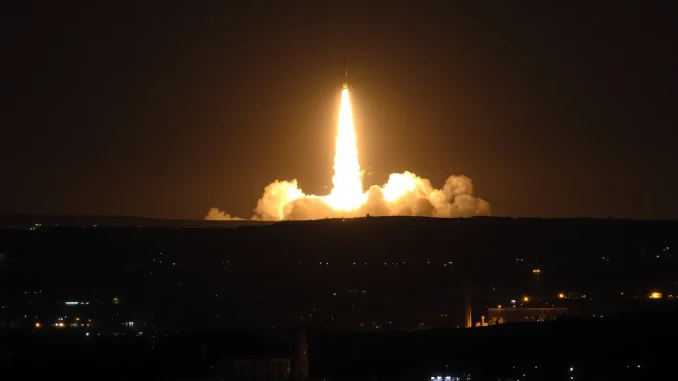
The Israeli military has reported detecting a missile fired from Iran, marking a dangerous escalation in Middle East tensions. This development could have far-reaching implications for global markets, including cryptocurrencies, as investors seek safe-haven assets amid geopolitical uncertainty.
What Does the Iranian Missile Launch Mean for Regional Stability?
The missile launch represents a significant escalation in the ongoing tensions between Israel and Iran. Key points to consider:
- The attack may trigger retaliatory measures from Israel
- Regional allies could be drawn into the conflict
- Oil prices may spike, affecting global markets
- Crypto markets often see volatility during geopolitical crises
How Could Middle East Tensions Impact Global Markets?
Geopolitical risks in the Middle East typically create market turbulence:
| Asset Class | Typical Reaction |
|---|---|
| Cryptocurrencies | Increased volatility |
| Gold | Price surge |
| Oil | Price spikes |
| Stocks | Sell-off pressure |
Why Should Crypto Investors Monitor Geopolitical Risks?
The cryptocurrency market often reacts strongly to geopolitical events:
- Bitcoin is increasingly seen as a digital safe haven
- Market volatility creates trading opportunities
- Sanctions risk could boost crypto adoption
- Network activity often increases during crises
What Are the Potential Outcomes of This Escalation?
The situation remains fluid, but possible scenarios include:
- Diplomatic efforts to de-escalate tensions
- Further military actions from either side
- Market panic leading to risk-off sentiment
- Increased regulatory scrutiny of crypto transactions
This developing situation serves as a stark reminder of how geopolitical risks can rapidly affect global markets. Crypto investors should stay informed and prepared for potential volatility as events unfold in the Middle East.
Frequently Asked Questions
How does geopolitical tension typically affect Bitcoin prices?
Bitcoin often experiences increased volatility during geopolitical crises, sometimes rising as investors seek alternative assets, but sometimes falling due to overall risk aversion.
Could this conflict lead to increased crypto adoption in the region?
Potentially yes, as sanctions and banking restrictions might lead individuals and businesses to explore cryptocurrency alternatives for cross-border transactions.
What other assets typically benefit from Middle East tensions?
Gold, the US dollar, and government bonds traditionally see increased demand during geopolitical crises in the Middle East.
How quickly do markets typically react to such military developments?
Financial markets often react within minutes to breaking geopolitical news, with the most significant moves occurring in the first 24 hours after an event.
Should crypto investors change their strategy during geopolitical crises?
While every situation is different, maintaining a diversified portfolio and avoiding panic decisions is generally advisable during periods of heightened uncertainty.