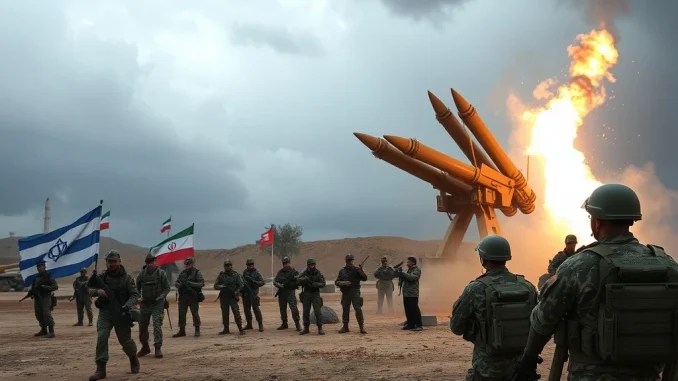
Tensions in the Middle East have escalated as Israel’s defense minister orders a strong military response to Iran’s violations of the ceasefire agreement. This development comes amid reports of missile strikes from Iran, threatening regional stability.
Why is Israel Responding Strongly to Iran’s Ceasefire Violations?
The Israeli defense minister has instructed the military to take decisive action against Iran’s breaches of the ceasefire. Key reasons for this response include:
- Iran’s recent missile attacks on Israeli territory
- Violations of the agreed ceasefire terms
- The need to deter future aggression
What Does This Mean for the Middle East Conflict?
The situation highlights the fragile nature of peace in the region. Here’s what you should know:
| Event | Impact |
|---|---|
| Iran’s missile strikes | Escalation of hostilities |
| Israel’s planned response | Potential for wider conflict |
How Might This Affect Global Markets?
While this is primarily a geopolitical issue, investors should be aware of potential ripple effects:
- Possible impact on oil prices
- Increased market volatility
- Shifts in safe-haven asset demand
FAQs About the Israel-Iran Conflict
1. When did the ceasefire between Israel and Iran begin?
The ceasefire reportedly went into effect earlier today before being violated by Iran’s missile strikes.
2. What kind of response is Israel planning?
Israel has indicated it will deliver high-intensity strikes against targets in Tehran’s core area.
3. How might this conflict affect cryptocurrency markets?
Geopolitical tensions often lead to increased volatility, potentially affecting Bitcoin and other cryptocurrencies as investors seek safe havens.
4. What are the long-term implications of this escalation?
Continued hostilities could destabilize the region further and impact global energy markets.