In a bold statement, Iran’s Supreme National Security Council (SNSC) has declared that Israel has been forced to accept defeat and halt its aggression. But what does this mean for the volatile Middle East region? Here’s a deep dive into the latest developments.
Iran’s Stance on Israeli Aggression
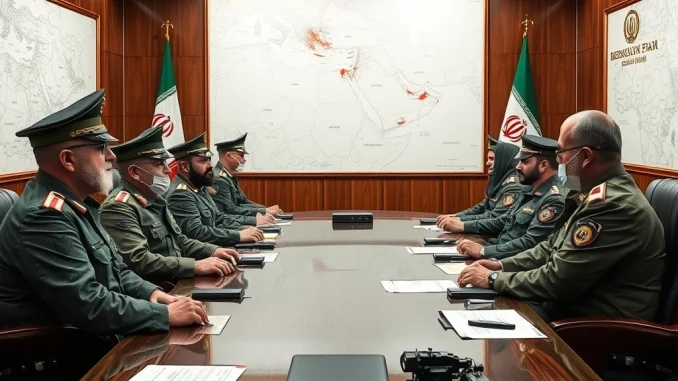
The SNSC emphasized that Iran’s armed forces remain on high alert, ready to respond to any further provocation. Key points from their statement include:
- Israel’s unilateral acceptance of defeat
- Iran’s distrust of enemy promises
- Continued military preparedness
Why This Matters for Global Security
The tension between Iran and Israel isn’t just a regional issue – it has global implications. Consider these factors:
| Factor | Impact |
|---|---|
| Oil markets | Potential supply disruptions |
| Global diplomacy | Strained international relations |
| Military alliances | Shifting power dynamics |
What’s Next in Iran-Israel Relations?
Experts suggest several possible scenarios:
- Continued diplomatic posturing
- Proxy conflicts in neighboring countries
- Direct military confrontation
Actionable Insights for Observers
For those monitoring this situation, here’s what to watch:
- Official statements from both governments
- Military movements near borders
- International mediation efforts
The situation remains volatile, with Iran’s military leadership making clear they won’t hesitate to respond to any perceived threats. This standoff could have far-reaching consequences for regional stability and global markets.
Frequently Asked Questions
What prompted Iran’s recent statement?
The statement came after what Iran perceives as Israel’s forced acceptance of defeat in recent conflicts.
How prepared is Iran’s military?
The SNSC emphasized their forces are fully geared and ready to respond to any aggression.
Could this escalate into direct conflict?
While possible, most analysts believe both nations will continue using proxy forces and diplomatic channels.
What role does the US play in this tension?
The US maintains close ties with Israel while having a complex relationship with Iran, making it a potential mediator.
How might this affect cryptocurrency markets?
Geopolitical tensions often drive investors toward decentralized assets, potentially increasing crypto volatility.