Recent reports about a new HKMA stablecoin issuance have created significant buzz within the cryptocurrency community. However, the Hong Kong Monetary Authority (HKMA) has definitively denied these claims. This clarification underscores Hong Kong’s cautious approach to digital assets and its evolving regulatory framework.
Understanding the HKMA’s Stance on Stablecoin Licensing
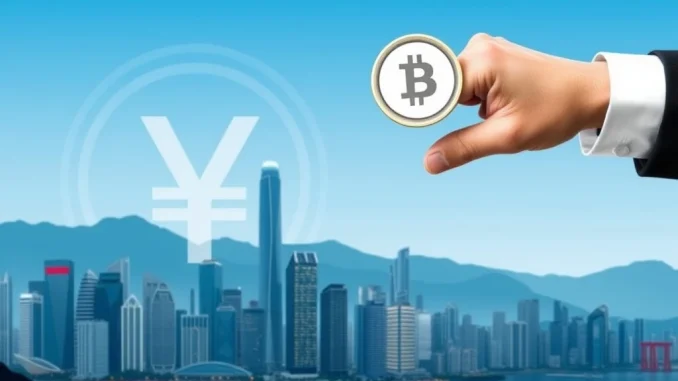
The Hong Kong Monetary Authority recently issued a firm statement. It declared that reports of a new yuan stablecoin being issued in the city are entirely untrue. This official denial directly addresses speculation within the financial technology sector. Specifically, these reports suggested the launch of a yuan-backed digital asset. Such an asset would facilitate cross-border transactions.
The HKMA emphasized its strict regulatory requirements. Consequently, any entity aiming to issue or promote a stablecoin in Hong Kong must first obtain a license. Furthermore, the authority confirmed that no such license has been granted to date. This position clarifies the legal landscape for digital asset providers in the region. The statement arrived after earlier news surfaced. Chinese fintech firm AnchorX reportedly announced the launch of its AxCNH stablecoin in Hong Kong. This announcement sparked the initial confusion. Therefore, the HKMA’s response serves as a crucial clarification for the market.
The HKMA’s stance highlights its commitment to maintaining financial stability. It also aims to protect investors within the virtual asset space. They are ensuring that all stablecoin activities fall under robust supervision. This proactive approach helps prevent unauthorized operations. It also ensures adherence to established financial regulations. Clearly, the HKMA maintains a vigilant oversight of digital asset developments.
The Allure of a Yuan Stablecoin for Cross-Border Transactions
The idea of a yuan stablecoin holds considerable appeal. Such a digital asset could streamline cross-border transactions. This is particularly true between mainland China and Hong Kong. Stablecoins are designed to maintain a stable value. They are typically pegged to a fiat currency like the yuan. This stability makes them attractive for remittances and international trade. Moreover, they can offer faster and cheaper transaction alternatives. Traditional banking systems often involve slower processing times and higher fees. Therefore, a yuan-backed stablecoin could significantly enhance financial efficiency.
Businesses and individuals could benefit from reduced friction in payments. For instance, companies engaging in trade might see quicker settlement times. This would improve cash flow management. Furthermore, a cross-border stablecoin could facilitate greater financial integration. It could connect different economic zones. The reported AxCNH stablecoin, for example, aimed to serve this very purpose. It sought to bridge gaps in existing financial infrastructure. However, the HKMA’s denial confirms that such initiatives require proper authorization. They must comply with all local regulations. This ensures a secure and orderly market.
It is important to distinguish a privately issued yuan stablecoin from China’s official digital yuan (e-CNY). The e-CNY is a central bank digital currency (CBDC). It is issued and controlled by the People’s Bank of China. While both involve digital forms of the yuan, their nature and regulatory oversight differ greatly. The HKMA’s focus is on private stablecoin issuance. This falls under its purview as a financial regulator. Consequently, clarity on these distinctions is vital for market participants.
Hong Kong Stablecoin Rules: A Strict Regulatory Landscape
Hong Kong is actively developing its regulatory framework for virtual assets. The city aims to become a leading global crypto hub. However, it prioritizes investor protection and financial stability. Therefore, Hong Kong stablecoin rules are becoming increasingly stringent. The HKMA has been clear about its ‘same activity, same risk, same regulation’ principle. This means that activities involving virtual assets will be regulated similarly to traditional financial activities. This approach ensures a level playing field. It also mitigates risks associated with novel technologies.
The HKMA published a discussion paper on crypto-assets and stablecoins in January 2022. It later issued a conclusion paper in January 2023. These documents outlined its proposed regulatory approach. The authority indicated a phased and risk-based implementation. It focuses initially on stablecoins referencing fiat currencies. These stablecoins pose higher perceived risks to financial stability. Hence, the HKMA requires stringent controls over their issuance and promotion. This includes robust reserve requirements. It also mandates clear redemption mechanisms. Furthermore, strong governance structures are essential.
This comprehensive regulatory push reflects a global trend. Jurisdictions worldwide are grappling with how to oversee stablecoins effectively. Hong Kong’s proactive stance positions it as a responsible innovator. It seeks to foster growth while safeguarding its financial system. Consequently, firms operating in this space must stay informed. They must also comply with these evolving regulations. The denial of the AxCNH stablecoin highlights the seriousness of these requirements. It demonstrates the HKMA’s firm hand in enforcement.
Navigating the Future of Stablecoin Licensing in Hong Kong
The HKMA’s recent denial sends a clear message. Any firm wishing to engage in stablecoin licensing in Hong Kong must follow established procedures. This includes obtaining the necessary approvals. The regulatory framework for stablecoins is still evolving. However, its direction is firm. The HKMA is moving towards a comprehensive licensing regime. This regime will cover all aspects of stablecoin operations. These include issuance, management, and distribution. Firms must prepare for rigorous application processes. They must also meet strict operational standards.
Future applicants for stablecoin licenses will need to demonstrate several key capabilities. First, they must show robust financial backing. This ensures the stability of their stablecoin reserves. Second, they need strong anti-money laundering (AML) and counter-terrorist financing (CTF) controls. These measures are critical for preventing illicit activities. Third, they must have effective risk management systems. These systems protect both the issuer and the users. Finally, clear and transparent disclosure practices are essential. These inform consumers about the stablecoin’s nature and risks. Therefore, the bar for entry into Hong Kong’s regulated stablecoin market is high.
The HKMA’s commitment to robust regulation is unwavering. This approach aims to build trust and confidence in Hong Kong’s virtual asset ecosystem. While the denial of the AxCNH stablecoin might seem like a setback, it is a necessary step. It reinforces the importance of compliance. It also clarifies the stringent requirements for stablecoin issuance. Consequently, the future of stablecoin development in Hong Kong will be shaped by adherence to these strict regulatory standards. This will ensure sustainable growth and protect the financial integrity of the city. The HKMA continues to balance innovation with oversight.
Conclusion
The Hong Kong Monetary Authority has unequivocally denied reports of a new yuan stablecoin issuance. This firm stance clarifies the regulatory landscape. It also underscores the HKMA’s strict requirements for stablecoin licensing. Any entity wishing to issue or promote a stablecoin in Hong Kong must secure official authorization. No such license has been granted to AnchorX or any other entity for a cross-border stablecoin to date. Therefore, market participants must respect and adhere to these regulations. This ensures the integrity and stability of Hong Kong’s financial system. The city remains committed to fostering innovation responsibly. It prioritizes robust oversight within its dynamic virtual asset sector.
Frequently Asked Questions (FAQs)
Q1: What did the HKMA deny regarding stablecoins?
The HKMA denied recent reports suggesting the issuance of a yuan-backed stablecoin for cross-border transactions in Hong Kong. They clarified that no such stablecoin has been authorized or licensed by the authority.
Q2: Why is a license required to issue a stablecoin in Hong Kong?
The HKMA requires a license to issue or promote a stablecoin to ensure financial stability, protect investors, and mitigate risks like money laundering. This aligns with their ‘same activity, same risk, same regulation’ principle for virtual assets.
Q3: Which company was reportedly involved in the stablecoin issuance?
Reports had indicated that Chinese fintech firm AnchorX announced the launch of its AxCNH stablecoin in Hong Kong, which the HKMA subsequently denied as unauthorized.
Q4: How do Hong Kong’s stablecoin rules compare to other jurisdictions?
Hong Kong is developing a comprehensive and strict regulatory framework for stablecoins, similar to global trends. It emphasizes robust reserve requirements, strong governance, and anti-money laundering controls, aiming to be a responsible leader in virtual asset regulation.
Q5: Is the reported yuan stablecoin related to China’s digital yuan (e-CNY)?
No, the reported yuan stablecoin is distinct from China’s official digital yuan (e-CNY). The e-CNY is a central bank digital currency issued by the People’s Bank of China, while the denied stablecoin would have been a privately issued digital asset.