In a significant development for the digital asset space, recent Bitcoin News Today highlights a crucial clarification from Google regarding its involvement in the burgeoning blockchain gaming sector. While the crypto world often buzzes with speculation about tech giants entering the Web3 arena, Google has definitively dismissed claims of direct investment or partnerships, coinciding with a notable 20% decline in blockchain gaming funding during Q2 2025. This news sends a clear signal to investors and enthusiasts alike: due diligence is paramount in a market still finding its footing.
Bitcoin News Today: Decoding Google’s Stance on Blockchain Gaming
The cryptocurrency community has been abuzz with rumors, but Google’s leadership has put them to rest. As of July 25, 2025, Sundar Pichai, CEO of Google, explicitly stated, “We do not have any official partnerships or investments in blockchain games to announce at this time.” This declaration is a direct response to persistent speculation and aligns with recent market analyses showing no financial backing from the tech giant in the sector. Despite the innovative strides made by the Blockchain Gaming industry, Google’s stance remains unambiguous, underscoring its cautious approach compared to some of its competitors.
This dismissal is particularly noteworthy given the hype surrounding Web3 technologies. While other tech titans like Meta and Microsoft have publicly embraced metaverse and related initiatives, Google appears to be charting a different course. Their focus, according to executives and analysts, leans more towards providing infrastructure and tools that support various technologies, rather than direct financial investment in specific blockchain applications.
Why is Google Blockchain Gaming Involvement Dismissed?
The confusion surrounding Google Blockchain gaming involvement was partly fueled by a promotional campaign for My Lovely Planet, a blockchain-based game. This game received recognition through Google’s WeArePlay initiative, leading some to believe it signified a deeper financial commitment. However, it’s crucial to understand the distinction:
- Recognition vs. Investment: Google’s WeArePlay acknowledgment is a promotional endorsement, not an equity stake or financial partnership.
- Strategic Divergence: Google’s strategy emphasizes infrastructure and developer tools, contrasting with competitors’ direct investment in Web3 content.
- Clarity from Leadership: CEO Sundar Pichai’s explicit statement leaves no room for ambiguity regarding current investments.
Industry observers caution against conflating promotional visibility with substantive investment. “Recognition by Google does not equate to financial investment,” noted an analyst, highlighting the need for careful discernment in the volatile blockchain sector. This incident serves as a prime example for investors to exercise heightened due diligence.
Understanding the Blockchain Gaming Funding Dip
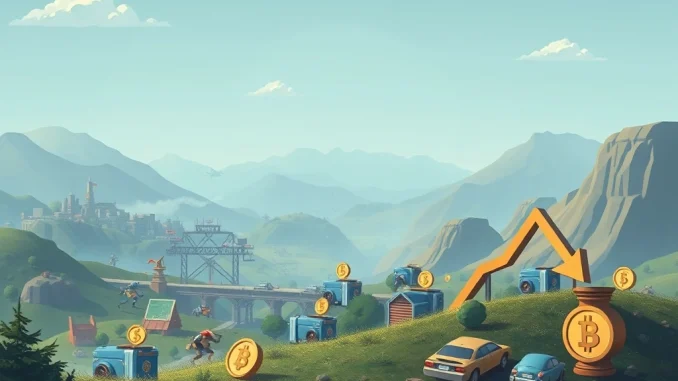
Adding to the cautious sentiment, the Blockchain Gaming industry witnessed a significant financial setback in Q2 2025. Data from DappRadar indicates a substantial 20% decline in funding for blockchain gaming projects compared to the previous quarter. This dip is not attributable to any surge of capital linked to Google, further reinforcing the company’s non-involvement.
This trend mirrors broader market dynamics where speculative growth and community-driven initiatives largely power the sector. While innovative projects like Project Rescue and Miracle Chain continue to advance with ambitious blockchain infrastructures, the absence of confirmed corporate backing from major players like Google underscores the industry’s current reliance on decentralized ecosystems and speculative markets. The funding landscape for blockchain gaming is still maturing, and such fluctuations are indicative of a sector grappling with adoption challenges and the need for sustainable economic models.
Navigating the Crypto Funding Landscape: A Call for Due Diligence
For investors navigating the intricate world of Crypto Funding, the key takeaway from these developments is the absolute importance of verifying corporate involvement in blockchain projects. The My Lovely Planet case serves as a stark reminder of how promotional campaigns can generate considerable hype without translating into tangible financial commitments or partnerships. “This highlights the need for due diligence,” emphasized a blockchain analyst. “Speculation can drive short-term momentum, but long-term success depends on tangible value propositions and verifiable partnerships.”
Investors must look beyond marketing buzz and delve into the specifics of agreements, equity stakes, and genuine financial backing. The current market environment, characterized by fluctuating funding and high-profile dismissals, demands a more rigorous approach to investment decisions. Relying solely on perceived affiliations can lead to misinformed choices in a sector where volatility is still a defining characteristic.
Beyond the Hype: The Future of Web3 Gaming
Despite the recent funding dip and Google’s explicit non-involvement, the underlying innovation in Web3 Gaming continues. The sector’s broader trajectory remains shaped by grassroots adoption and decentralized innovation. Projects are actively building robust blockchain infrastructures, exploring new economic models, and enhancing player experiences. Bitcoin-related developments, including presales and stablecoin regulations, also continue to influence the broader crypto ecosystem, indirectly affecting the sentiment around Web3 gaming.
The future of Web3 gaming will likely depend less on the direct financial injections from tech giants and more on its ability to demonstrate sustainable value, attract genuine users, and build strong, decentralized communities. While the path ahead may be challenging, the dismissal from Google could serve as a wake-up call, pushing the industry to focus on fundamental value creation rather than relying on speculative corporate endorsements. Stakeholders must remain vigilant about distinguishing between marketing efforts and substantive partnerships as the industry evolves.
Conclusion
The latest Bitcoin News Today brings a dose of reality to the optimistic projections surrounding blockchain gaming. Google’s clear dismissal of direct involvement, coupled with a significant Q2 2025 funding dip, underscores the sector’s current reliance on speculative growth and community-driven initiatives rather than confirmed corporate backing. For investors, the message is clear: robust due diligence and a critical eye are essential to navigate the complex and evolving landscape of Web3 gaming. While innovation continues, the industry’s long-term success hinges on tangible value propositions and verifiable partnerships, not just promotional visibility.
Frequently Asked Questions (FAQs)
Q1: Has Google invested in any blockchain gaming companies?
No, Google’s CEO Sundar Pichai explicitly stated that the company does not have any official partnerships or investments in blockchain games to announce at this time. Market analysis also shows no evidence of their financial backing in the sector.
Q2: Why did blockchain gaming funding decline in Q2 2025?
Financial data from DappRadar indicates a 20% decline in funding for blockchain gaming projects during Q2 2025 compared to the previous quarter. This trend reflects broader market dynamics and the sector’s reliance on speculative growth and community-driven initiatives, with no attributable capital surge linked to major tech giants like Google.
Q3: What does Google’s WeArePlay recognition for My Lovely Planet mean?
Google’s WeArePlay recognition for My Lovely Planet is a promotional acknowledgment and does not equate to financial support, equity stakes, or partnership agreements. It highlights the game’s visibility but not Google’s investment in the project.
Q4: What should investors consider when looking at blockchain gaming projects?
Investors should prioritize due diligence, verifying corporate involvement and distinguishing between promotional campaigns and tangible financial commitments. Long-term success in blockchain gaming depends on clear value propositions and verifiable partnerships, not just speculative narratives or marketing hype.
Q5: How does Google’s approach compare to other tech giants in Web3?
Unlike Meta and Microsoft, which have driven temporary shifts with their metaverse initiatives and direct investments, Google has opted for a more cautious approach, focusing on providing infrastructure and tools rather than direct investment in blockchain gaming projects.