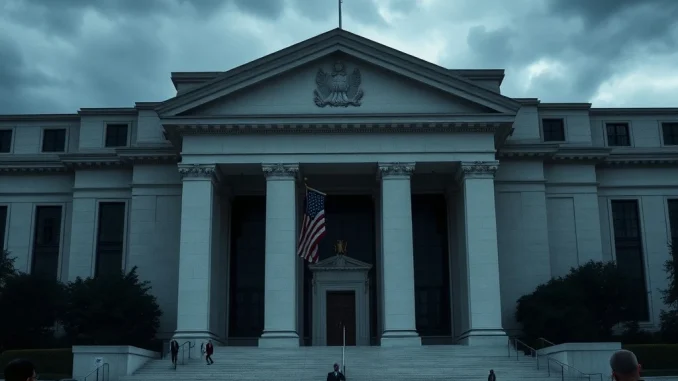
The Federal Reserve’s latest policy meeting has taken center stage as internal divisions deepen and the FOMC voting pool shrinks. With Governor Lael Brainard absent, the reduced voting count adds unpredictability to the Fed’s decision-making process. Will this impact interest rates and market stability? Let’s break it down.
Why Did the Fed Hold Rates Steady?
The Federal Open Market Committee (FOMC) opted to maintain the current federal funds rate, despite calls for cuts from some members. Here’s why:
- Resilient Economy: The U.S. labor market remains strong, with unemployment at 4.1%.
- Stable Inflation: Core inflation metrics show a downward trend, easing pressure for aggressive policy changes.
- Reduced Voting Pool: With only 11 voting members instead of 12, the majority favored caution.
How Internal Divisions Are Shaping FOMC Decisions
The absence of Governor Brainard has intensified existing tensions within the Fed. Key dissenting voices include:
| Member | Stance |
|---|---|
| Christopher Waller | Advocates for rate cuts |
| Lisa Cook | Supports easing monetary policy |
Despite their push, the majority remains focused on inflation control, leaving little room for immediate policy shifts.
What’s Next for Interest Rates?
Market participants are closely watching the Fed’s next moves. Key factors influencing future decisions include:
- Energy price volatility
- Administrative pressure from President Trump
- Economic data trends
Analysts suggest a rate cut remains unlikely unless inflation or growth metrics shift significantly.
Conclusion: A Delicate Balancing Act
The Fed’s decision to hold rates reflects its cautious approach amid economic stability and internal disagreements. With a reduced FOMC voting pool, the path forward remains uncertain, but data-driven policy will likely prevail.
Frequently Asked Questions (FAQs)
1. Why was the FOMC voting pool reduced?
Governor Lael Brainard stepped away from the session due to personal reasons, lowering the voting count from 12 to 11.
2. Who are the key dissenters in the Fed?
Governors Christopher Waller and Lisa Cook have publicly advocated for rate cuts.
3. How does this impact the markets?
Investors expect stability in the short term, but prolonged divisions could create uncertainty.
4. Will the Fed cut rates soon?
Unlikely unless inflation or growth metrics show significant changes.