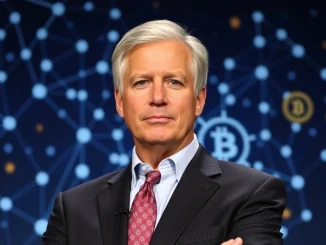
The landscape of financial regulation is rapidly evolving. Cryptocurrency enthusiasts and industry leaders recently heard a significant message from a key figure. Federal Reserve (Fed) Vice Chair for Supervision, Michelle Bowman, delivered a pivotal address. Her remarks at the Wyoming Blockchain Symposium signaled a potential turning point for Fed crypto regulation. She called for a more supportive and adaptable approach to digital assets. This stance marks a notable shift in the ongoing dialogue surrounding crypto within traditional finance.
Michelle Bowman Crypto Stance: A Call for Clarity
Michelle Bowman crypto views underscore a growing recognition within regulatory bodies. Digital assets require tailored oversight. At the Wyoming Blockchain Symposium, Bowman articulated a clear vision. She advocated for regulatory frameworks that foster innovation. At the same time, these frameworks must manage risks effectively. Bowman emphasized the importance of collaboration between regulators and the industry. She believes this approach is essential for developing robust and clear rules. Her statements highlight a pragmatic perspective on integrating cryptocurrencies into the existing financial system.
Furthermore, Bowman specifically endorsed the need for clear, tailored rules. This approach aims to provide certainty for businesses. It also seeks to protect consumers. She acknowledged the unique characteristics of various digital assets. Therefore, a one-size-fits-all regulatory model may not be appropriate. This nuanced view is crucial for fostering responsible growth. It also prevents stifling innovation in the digital asset space.
Advocating for Pro-Crypto Regulation and the GENIUS Act
Bowman’s address strongly supported a shift towards pro-crypto regulation. She specifically backed the upcoming GENIUS Act. This legislative effort aims to establish a clear regulatory framework for stablecoins. Stablecoins are digital currencies pegged to stable assets like the U.S. dollar. Therefore, they offer a bridge between traditional finance and the crypto world. Bowman’s support signals a readiness to integrate these assets more formally.
The GENIUS Act seeks to provide a comprehensive framework. It addresses key aspects of stablecoin issuance and redemption. This includes consumer protection and financial stability. Bowman’s endorsement suggests the Fed is open to specific legislation. Such laws could clarify the status of stablecoins. This clarity is vital for their broader adoption and integration. It provides a regulatory roadmap for innovators. It also offers safeguards for users.
Moreover, a clear regulatory path can unlock significant potential. It could boost confidence among institutional investors. It might also encourage traditional financial institutions. These institutions could then engage more actively with digital assets. Bowman’s push for this legislation reflects a strategic foresight. She understands the evolving nature of global finance. She also recognizes the role digital assets will play.
The Importance of Stablecoin Adoption
A significant part of Bowman’s message focused on stablecoin adoption. She sees stablecoins as a critical component of the future financial system. Their stability makes them suitable for various transactions. These include payments and remittances. They can also facilitate cross-border trade. Bowman believes that embracing stablecoins can enhance financial efficiency. It can also improve accessibility for many users globally.
Bowman’s advocacy for stablecoins stems from several key benefits:
- Payment Efficiency: Stablecoins can offer faster and cheaper transactions. This is particularly true for international payments.
- Financial Inclusion: They can provide access to financial services. This helps populations underserved by traditional banking.
- Innovation Platform: Stablecoins serve as a foundational layer. They support decentralized finance (DeFi) applications.
Consequently, widespread adoption of stablecoins requires a robust regulatory environment. This environment must instill trust and ensure stability. Bowman’s comments suggest the Fed is actively considering how to facilitate this. They aim to do so without compromising financial integrity. This proactive stance is reassuring for the crypto industry. It signals a move towards acceptance rather than outright rejection.
Fed Staff and Crypto Holdings: Gaining Hands-On Understanding
In a pragmatic suggestion, Bowman proposed allowing Fed staff to hold small amounts of crypto. This idea aims to foster a deeper, hands-on understanding of digital assets. She believes direct experience is invaluable. It can help regulators grasp the nuances of blockchain technology. It can also help them understand crypto markets. This practical approach contrasts with purely theoretical study.
The rationale behind this proposal is clear:
- Practical Insight: Direct engagement offers unique perspectives. Regulators can better understand user experience and market dynamics.
- Informed Policy: First-hand knowledge can lead to more effective policies. These policies would be based on real-world scenarios.
- Bridging the Gap: It helps bridge the knowledge gap. This gap often exists between traditional finance and emerging technologies.
This proposal highlights a forward-thinking mindset. It indicates a desire to equip regulators with relevant experience. This experience is vital for navigating the complexities of the digital economy. By understanding crypto from an insider’s perspective, the Fed can craft more informed rules. This proactive learning is a positive sign for the industry.
Banks Crypto Relevance: The Risk of Inaction
Bowman issued a stark warning to traditional banks. She stated that banks ignoring crypto risk losing relevance. The financial system is rapidly evolving. Therefore, traditional institutions must adapt. Failure to engage with digital assets could lead to their marginalization. This strong statement underscores the urgency of the situation. It highlights the competitive pressures faced by incumbent financial players.
The warning about banks crypto relevance is not new. However, it carries significant weight coming from a top Fed official. It suggests that regulators are observing market shifts closely. They see the potential for disruption. Banks that fail to innovate may find themselves bypassed. New financial services providers, often crypto-native, are emerging rapidly. These new players offer innovative solutions. They also cater to a growing demand for digital asset services.
Banks have several avenues to engage with crypto:
- Custody Services: Offering secure storage for digital assets.
- Payment Solutions: Integrating blockchain for faster payments.
- Lending and Borrowing: Participating in DeFi protocols.
- Tokenized Assets: Exploring the tokenization of traditional assets.
Consequently, Bowman’s message serves as a call to action. It urges banks to explore and integrate digital asset capabilities. This proactive engagement is crucial for maintaining their competitive edge. It also ensures their continued importance in the financial ecosystem.
Broader Implications for Fed Crypto Regulation
Michelle Bowman’s statements at the Wyoming Blockchain Symposium carry significant weight. They reflect a growing consensus among some regulators. Digital assets are here to stay. Therefore, a constructive approach to their regulation is necessary. Her remarks align with a broader global trend. Many jurisdictions are now seeking to establish clearer crypto frameworks. This global movement aims to balance innovation with stability.
The Fed’s role in this evolving landscape is critical. It influences monetary policy and financial stability. A more supportive stance from the Fed could pave the way for wider adoption. It could also encourage investment in the crypto sector. This shift is not about abandoning traditional finance. Instead, it aims to integrate new technologies responsibly. It seeks to harness their potential benefits. Simultaneously, it mitigates inherent risks.
Furthermore, Bowman’s perspective offers hope for regulatory certainty. Lack of clarity has long been a major hurdle for the crypto industry. Businesses struggle to operate without clear rules. Investors hesitate due to regulatory ambiguity. Therefore, a more defined regulatory environment can foster growth. It can also attract significant capital. This clarity is essential for the long-term health of the digital asset market.
The Path Forward for Digital Assets
The call for a more supportive pro-crypto regulation environment is a positive development. It suggests a maturing perspective within influential financial bodies. The emphasis on tailored rules, stablecoin adoption, and practical understanding points towards a future. In this future, digital assets could play a more integrated role. This integration would occur within the regulated financial system.
The journey towards comprehensive and effective crypto regulation is ongoing. However, statements like Bowman’s mark important milestones. They demonstrate a willingness to engage. They also show a desire to adapt. This adaptive approach is vital for the U.S. to remain competitive. It also ensures the nation leads in financial innovation. The dialogue between regulators and the industry will continue. This ongoing conversation will shape the future of finance.
In conclusion, Michelle Bowman’s remarks offer a glimpse into a potential future. It is a future where regulatory frameworks evolve to embrace digital assets. Her advocacy for clear rules, stablecoin integration, and practical understanding is significant. It signals a pragmatic and forward-looking approach. This approach is essential for navigating the complexities of the digital economy. It also ensures that the financial system remains robust and innovative for years to come.
Frequently Asked Questions (FAQs)
Q1: Who is Michelle Bowman and what is her role at the Federal Reserve?
A1: Michelle Bowman serves as the Vice Chair for Supervision at the Federal Reserve. In this role, she is responsible for leading the Fed’s supervision and regulation of financial institutions. Her position gives her significant influence over policy decisions affecting the banking sector and emerging financial technologies like cryptocurrencies.
Q2: What is the significance of Michelle Bowman’s statements on crypto regulation?
A2: Bowman’s statements are significant because they come from a high-ranking Fed official. They signal a potential shift towards a more supportive and pragmatic approach to crypto regulation within the U.S. financial system. Her advocacy for clear rules and stablecoin adoption suggests a move towards integrating digital assets rather than solely restricting them.
Q3: What is the GENIUS Act and why is it relevant to crypto?
A3: The GENIUS Act is proposed legislation aimed at creating a clear regulatory framework specifically for stablecoins. Michelle Bowman’s support for this act is relevant because it indicates a desire for specific, tailored laws to govern stablecoins, which could pave the way for their broader adoption and integration into traditional finance while ensuring stability and consumer protection.
Q4: Why does Bowman believe Fed staff should hold crypto?
A4: Bowman suggests allowing Fed staff to hold small amounts of crypto to gain a hands-on, practical understanding of digital assets and their underlying technology. She believes this direct experience is crucial for regulators to develop more informed, effective, and nuanced policies for the rapidly evolving crypto market.
Q5: What does Bowman mean by banks risking ‘losing relevance’ if they ignore crypto?
A5: Bowman warns that traditional banks risk becoming marginalized if they fail to adapt to the evolving financial landscape dominated by digital assets. She implies that by not engaging with cryptocurrencies and blockchain technology, banks may lose out on new business opportunities and competitive advantages, potentially ceding market share to more innovative, crypto-native financial service providers.