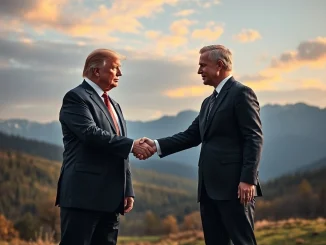
Breaking news from Walter Bloomberg on X reveals a significant development that could reshape global economic dynamics: the **EU trade suspension** of countermeasures against the United States for a period of six months. This announcement marks a pivotal moment, signaling a potential de-escalation in long-standing trade disputes and fostering a more cooperative environment. For those monitoring global markets, including the volatile cryptocurrency space, understanding the implications of such geopolitical shifts is paramount. A calmer international trade landscape often translates to increased investor confidence, a crucial factor influencing the trajectory of various assets, including digital currencies.
Understanding the Context: Why the EU Trade Suspension Matters
To fully grasp the significance of this move, it’s essential to look back at the origins of these trade countermeasures. For years, the **US EU trade relations** have been strained by various disputes, most notably concerning tariffs on steel and aluminum imposed by the U.S. under the previous administration, and retaliatory tariffs from the EU on American goods. Additionally, the long-running dispute over aircraft subsidies involving Boeing and Airbus led to billions of dollars in tariffs from both sides. These actions created an environment of uncertainty, impacting businesses, supply chains, and consumer prices across the Atlantic.
- Steel and Aluminum Tariffs: The U.S. imposed 25% tariffs on steel imports and 10% on aluminum imports from the EU, citing national security concerns.
- EU Retaliation: In response, the EU levied tariffs on a range of iconic American products, from motorcycles and bourbon to jeans and orange juice.
- Aircraft Subsidies Dispute: Both the U.S. and the EU imposed tariffs on each other’s goods following World Trade Organization (WTO) rulings on illegal subsidies provided to their respective aircraft manufacturers.
These tit-for-tat measures, while intended to protect domestic industries, often resulted in higher costs for businesses and consumers, stifling economic growth and creating a climate of apprehension.
What Does This Economic De-escalation Entail for the Next Six Months?
The decision by the European Union to suspend these countermeasures is a clear signal of goodwill and a desire for a fresh start. For the next six months, European imports of certain U.S. goods will no longer face the additional tariffs that were put in place as retaliation. This period provides a crucial window for both sides to negotiate a more permanent resolution to their trade differences. The move aligns with the Biden administration’s stated goal of re-engaging with allies and fostering international cooperation, moving away from the more confrontational approach of the past.
This temporary truce offers several immediate benefits:
- Reduced Costs: European importers and consumers will see a reduction in the cost of affected American goods.
- Increased Trade Volume: Businesses on both sides can expect a smoother flow of goods, potentially leading to increased trade volumes.
- Improved Business Confidence: The predictability offered by this suspension can encourage new investments and partnerships.
This strategic pause is not merely about tariffs; it’s about rebuilding trust and setting the stage for deeper collaboration on shared challenges, from climate change to global health crises.
The Broader Impact: Fostering Global Market Stability
While the immediate beneficiaries are businesses involved in **transatlantic trade**, the ripple effects of this **economic de-escalation** extend far beyond. When two major economic blocs like the EU and the U.S. are engaged in trade disputes, it creates a sense of instability that can permeate global financial markets. Investors become more risk-averse, capital flows slow down, and growth forecasts are often revised downwards. Conversely, a reduction in trade tensions tends to boost confidence, encouraging investment and fostering a more optimistic outlook.
How does this relate to the broader financial landscape, including cryptocurrencies? The connection, while indirect, is significant:
- Risk Appetite: When global trade relations are stable, and the macroeconomic outlook is positive, investors tend to have a higher appetite for risk. This often translates to increased investment in growth-oriented assets, including emerging technologies and cryptocurrencies.
- Capital Flow: Reduced trade barriers can lead to more efficient capital allocation globally. As businesses thrive and economies grow, more capital becomes available for diverse investments, some of which may find their way into the crypto market.
- Currency Stability: Trade disputes can lead to currency fluctuations as countries try to gain a competitive edge. A more stable trade environment contributes to currency stability, which can reduce volatility in crypto markets, especially for stablecoins and crypto-fiat pairs.
- Innovation and Adoption: A thriving global economy, free from the drag of trade wars, provides a better environment for technological innovation and the adoption of new financial systems, including blockchain and cryptocurrencies.
In essence, the move towards greater cooperation between the EU and the U.S. can contribute to a more predictable and robust global economic environment, which is generally favorable for all asset classes, including the burgeoning digital asset space.
What’s Next for US EU Trade Relations and Global Trade?
The six-month suspension is a crucial first step, but it’s not a definitive solution. The coming months will be critical for negotiators from both sides to work towards a comprehensive agreement that addresses the root causes of the disputes. Key areas of focus will likely include:
- Permanent Tariff Removal: Moving beyond the temporary suspension to permanently remove the steel and aluminum tariffs.
- WTO Reform: Collaborating on reforming the World Trade Organization to better address modern trade challenges.
- New Trade Challenges: Addressing emerging issues like digital taxation, climate-related trade policies, and supply chain resilience.
The success of these negotiations will not only determine the future of **transatlantic trade** but also set a precedent for how major global powers can resolve disputes through dialogue rather than confrontation. This shift towards diplomacy and cooperation is a positive sign for **global market stability** and could pave the way for a more integrated and resilient world economy.
Actionable Insights for Investors and Businesses
For businesses engaged in transatlantic trade, this suspension offers immediate relief and an opportunity to reassess strategies. Companies should:
- Re-evaluate Supply Chains: Look for opportunities to optimize sourcing and distribution now that tariff uncertainties are reduced.
- Plan for Long-Term Stability: While temporary, this period is a strong indicator of a desire for permanent resolution. Businesses should plan with this potential stability in mind.
For investors, especially those in the crypto space, this development underscores the importance of macroeconomics:
- Monitor Geopolitical Developments: Keep an eye on ongoing negotiations between major economic blocs, as these can significantly influence overall market sentiment.
- Diversify Portfolios: While positive news can boost markets, maintaining a diversified portfolio remains crucial to mitigate risks from unexpected shifts.
- Understand Indirect Impacts: Recognize that seemingly unrelated news, like trade policy, can have a profound indirect impact on digital asset valuations through broader market confidence and liquidity.
Conclusion: A Glimmer of Hope for Global Cooperation
The European Union’s decision to suspend trade countermeasures against the United States for six months is more than just a temporary truce; it’s a powerful statement of intent. It signifies a collective desire to move past old grievances and forge a path towards greater cooperation and **economic de-escalation**. This development is a welcome relief for businesses and consumers alike and sends a positive signal to global markets, contributing to an environment conducive to growth and stability. As the world grapples with complex challenges, such acts of diplomatic progress are vital, not just for trade, but for fostering a more interconnected and resilient global economy. While the direct impact on cryptocurrency markets might not be immediately obvious, the overarching theme of reduced global uncertainty and increased economic confidence provides a favorable backdrop for all risk assets, including digital currencies.
Frequently Asked Questions (FAQs)
Q1: What exactly does the EU trade suspension mean for the United States?
The EU trade suspension means that for six months, certain U.S. goods that were previously subject to retaliatory tariffs by the European Union will now be tariff-free. This reduces costs for European importers and makes American products more competitive in the EU market, potentially increasing trade volume and fostering improved US EU trade relations.
Q2: What were the main reasons for the trade countermeasures in the first place?
The primary reasons for the trade countermeasures included U.S. tariffs on steel and aluminum imports from the EU, citing national security, and a long-standing dispute over aircraft subsidies involving Boeing and Airbus, which led to retaliatory tariffs from both sides based on World Trade Organization rulings.
Q3: How does this economic de-escalation affect the global economy?
This economic de-escalation contributes to global market stability by reducing uncertainty and fostering a more cooperative international trade environment. When major economic powers like the EU and U.S. resolve disputes, it boosts investor confidence, encourages capital flow, and can lead to broader economic growth, benefiting transatlantic trade and beyond.
Q4: Is this suspension a permanent solution to the trade disputes?
No, the six-month suspension is a temporary measure. It provides a window for both sides to negotiate a more permanent resolution to the trade disputes. The goal is to find a comprehensive agreement that addresses the underlying issues and leads to a long-term removal of tariffs.
Q5: How might this impact cryptocurrency markets?
While not a direct driver, improved global market stability and reduced economic uncertainty, stemming from positive US EU trade relations, generally increase investor risk appetite. This can lead to more capital flowing into various asset classes, including cryptocurrencies, as overall market confidence improves. It contributes to a more favorable macroeconomic backdrop for digital assets.