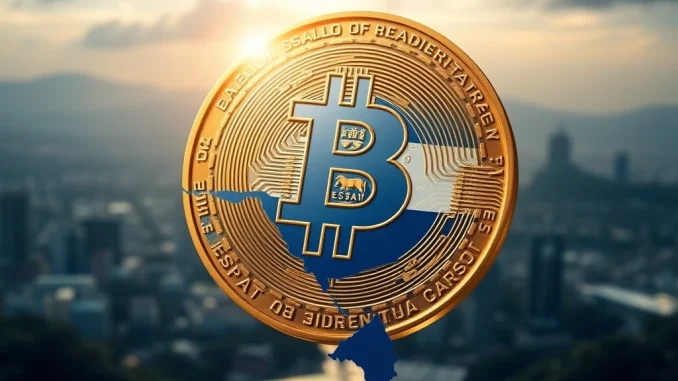
El Salvador Bitcoin’s remarkable journey continues to capture global attention. The nation, a pioneer in crypto adoption, recently announced an astounding $470 million in unrealized Bitcoin profit from its national Bitcoin reserve. This significant milestone underscores the bold strategy initiated by President Nayib Bukele. It signals a potential turning point for digital assets in national economies.
El Salvador Bitcoin’s Bold Bet Pays Off
Initially, El Salvador’s decision to make Bitcoin legal tender in September 2021 was met with widespread skepticism. Many international bodies and financial analysts questioned the groundbreaking move. However, President Nayib Bukele remained steadfast in his vision. He believed Bitcoin could foster financial inclusion and stimulate economic growth for the Central American nation. Consequently, the country began accumulating Bitcoin reserve assets. This strategic accumulation aimed to diversify national holdings and leverage the potential of digital currencies. The early investments, made during periods of lower Bitcoin prices, now demonstrate considerable foresight.
Understanding the Unrealized Bitcoin Profit
The recent announcement highlights an impressive Bitcoin profit. Specifically, the $470 million figure represents an unrealized gain. This means the profit exists on paper, calculated by comparing the current market value of El Salvador’s Bitcoin holdings against their average purchase price. The country has not yet sold these assets. Therefore, the profit is subject to market fluctuations. Watcher Guru on X confirmed these figures, citing President Bukele’s shared data. The average purchase price for El Salvador’s Bitcoin holdings stands at approximately $44,292 per BTC. Given Bitcoin’s recent surge, this strategic accumulation has proven highly lucrative for the nation.
- Key Bitcoin Reserve Figures:
- Current Bitcoin holdings: Approximately 5,750 BTC
- Average purchase price: ~$44,292 per BTC
- Total investment: ~$254 million
- Current market value: ~$724 million (as of recent peaks)
- Unrealized profit: ~$470 million
Nayib Bukele’s Vision for Crypto Adoption
President Nayib Bukele has been the unwavering driving force behind El Salvador’s ambitious crypto adoption initiative. His administration introduced the Bitcoin Law, making it the first country globally to embrace Bitcoin as legal tender. This unprecedented move aimed to reduce reliance on the U.S. dollar and facilitate more efficient remittances. Many Salvadorans living abroad send money home, and traditional transfer methods often incur high fees. Bitcoin offers a faster and significantly cheaper alternative. Furthermore, the government launched the Chivo wallet, actively encouraging citizens and businesses to use Bitcoin for daily transactions. This comprehensive approach reflects Bukele’s long-term commitment to a digital, inclusive economy.
Economic Implications of the Bitcoin Reserve
The substantial Bitcoin profit, while still unrealized, could have profound implications for El Salvador’s economy. This significant gain strengthens the nation’s financial position. It also provides a crucial buffer against potential economic uncertainties. The government has previously stated intentions to use future Bitcoin gains for vital public works. For example, some profits might fund new schools, improve hospitals, or develop critical infrastructure projects. This potential reinvestment could directly benefit the Salvadoran populace, enhancing their quality of life. Moreover, the success of the Bitcoin reserve serves as a powerful testament. It validates El Salvador’s innovative economic strategy on the global stage, drawing positive attention.
The Global Impact of El Salvador’s Bitcoin Experiment
El Salvador’s pioneering crypto adoption has sparked considerable debate worldwide. Supporters view it as a bold step towards financial sovereignty and greater inclusion for its citizens. Critics, however, consistently highlight the inherent volatility risks and potential for illicit activities associated with cryptocurrencies. Despite these ongoing concerns, other nations are closely observing El Salvador’s experience. Some developing countries, grappling with high inflation or limited access to traditional banking services, might consider similar strategies. The positive Bitcoin profit figures could encourage further exploration of digital currencies by national governments. This ongoing experiment could profoundly shape future international monetary policies and global financial systems.
Future of El Salvador’s National Bitcoin Strategy
El Salvador continues to expand its ambitious national Bitcoin strategy. The country plans to issue “Volcano Bonds,” Bitcoin-backed sovereign bonds, to fund its innovative Bitcoin City project. This ambitious initiative aims to create a tax-free economic zone powered entirely by geothermal energy from volcanoes. The recent Bitcoin reserve gains provide additional credibility and momentum for such future endeavors. Furthermore, the government remains committed to promoting Bitcoin education and robust infrastructure. This includes expanding the network of Bitcoin ATMs and encouraging wider merchant adoption. President Nayib Bukele envisions a future where Bitcoin plays an even more central and transformative role in the nation’s economy.
Addressing Challenges and Criticisms of Crypto Adoption
Despite the recent Bitcoin profit, El Salvador’s crypto adoption journey has not been without significant challenges. Bitcoin’s inherent price volatility remains a considerable concern. A sudden market downturn could quickly erase the current unrealized gains. International financial institutions, like the International Monetary Fund (IMF), have also voiced strong warnings. They cite potential risks to financial stability and consumer protection within the nation. However, the Salvadoran government consistently maintains that its strategy is long-term and focuses on foundational benefits. They emphasize the profound advantages of financial inclusion and significantly reduced transaction costs for their citizens. The current positive balance in the Bitcoin reserve offers a compelling counter-narrative to these criticisms. It powerfully demonstrates the potential upside of their innovative approach.
El Salvador’s Bitcoin reserve has achieved a remarkable milestone, reporting $470 million in unrealized profit. This significant achievement powerfully validates President Nayib Bukele‘s audacious crypto adoption strategy. While the journey has faced considerable scrutiny and challenges, the current financial gains underscore the immense potential of integrating digital assets into national economies. El Salvador’s ongoing experiment serves as a compelling global case study. It offers valuable insights for other nations considering similar paths toward financial innovation and sustainable economic growth. The world watches closely as this pioneering nation continues its unique economic transformation.
Frequently Asked Questions (FAQs)
Q1: What does “unrealized profit” mean in the context of El Salvador’s Bitcoin reserve?
A1: Unrealized profit refers to the gain on an investment that has not yet been sold. For El Salvador’s Bitcoin holdings, it means the current market value of their Bitcoin is $470 million higher than their original purchase price, but they have not yet converted this Bitcoin back into fiat currency.
Q2: How much Bitcoin does El Salvador currently hold in its reserve?
A2: As of recent reports, El Salvador holds approximately 5,750 Bitcoin in its national reserve. This figure may fluctuate as the country continues its purchasing strategy based on market conditions and national policy.
Q3: Who is Nayib Bukele, and what is his role in El Salvador’s Bitcoin strategy?
A3: Nayib Bukele is the President of El Salvador. He is the architect behind the nation’s groundbreaking decision to adopt Bitcoin as legal tender in September 2021 and has actively championed the country’s Bitcoin reserve strategy and broader crypto adoption initiatives.
Q4: What are the potential uses for El Salvador’s Bitcoin profit?
A4: While the profit is currently unrealized, President Bukele has previously indicated that future realized gains from the Bitcoin profit could be used to fund public works, such as schools, hospitals, and infrastructure projects, directly benefiting the Salvadoran population.
Q5: What challenges has El Salvador faced with its Bitcoin adoption?
A5: El Salvador has faced challenges including Bitcoin’s price volatility, skepticism from international financial institutions like the IMF regarding financial stability, and concerns about potential illicit financial activities. However, the government maintains a long-term perspective.
Q6: Are other countries considering similar Bitcoin adoption strategies?
A6: While no other country has fully adopted Bitcoin as legal tender on the same scale, many nations, especially developing ones, are closely observing El Salvador’s experiment. The success of El Salvador’s Bitcoin reserve could influence future decisions regarding national crypto adoption and digital asset integration globally.