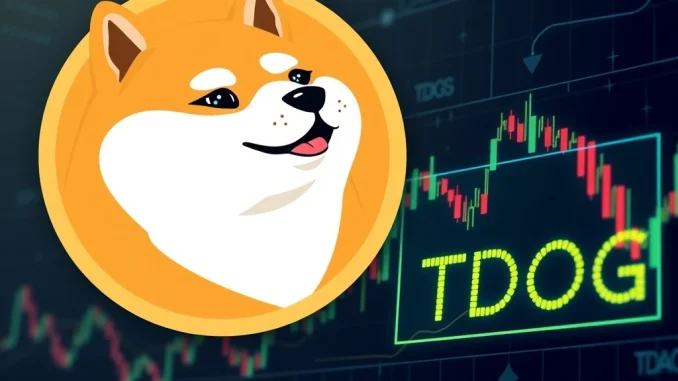
The cryptocurrency world recently saw a significant development. The 21Shares DOGE ETF has appeared on the U.S. Depository Trust & Clearing Corporation (DTCC) website. This listing uses the ticker symbol TDOG. BWE News first reported this important update. This action marks a key step in the journey for a Dogecoin ETF approval, though it does not guarantee immediate exchange listing. Investors closely watch such movements in the evolving crypto market.
Understanding the DTCC Listing for the DOGE ETF
Many people wonder about the DTCC’s role in financial markets. The Depository Trust & Clearing Corporation (DTCC) acts as a crucial post-trade financial services company. It provides clearing and settlement services for securities transactions. Effectively, the DTCC ensures the smooth and efficient transfer of ownership for various assets. Its listing of the 21Shares Dogecoin ETF, under the ticker TDOG, indicates an administrative preparation. This prepares the ground for potential future trading. However, this is a procedural step. It does not mean the ETF has received regulatory approval for trading on an exchange. The DTCC listing simply signifies that the fund’s details are now within the system. This allows for easier processing should it gain full approval.
It is important to differentiate this process from SEC review. The Securities and Exchange Commission (SEC) maintains a separate and rigorous approval process. They assess the fund’s structure, investor protections, and market integrity. A DTCC listing, therefore, serves as an operational readiness indicator. It does not predict the SEC’s final decision. Investors must understand this distinction clearly. The path to a fully tradable DOGE ETF remains complex.
The Journey to a Crypto ETF: Beyond DTCC
Launching a new exchange-traded fund (ETF) involves many stages. First, an asset manager like 21Shares proposes the fund. They then file detailed applications with regulatory bodies. In the U.S., this body is the SEC. The SEC reviews these applications thoroughly. They scrutinize aspects like:
- Investor protection: Ensuring safeguards for retail investors.
- Market manipulation concerns: Assessing the underlying asset’s susceptibility to manipulation.
- Custody arrangements: How the digital assets will be securely held.
- Valuation methodologies: How the ETF will accurately price its holdings.
The SEC’s approval is the ultimate gatekeeper for public trading. Historically, the SEC has been cautious with Crypto ETFs, especially those holding spot cryptocurrencies. This caution stems from concerns about market volatility and nascent regulatory frameworks. While Bitcoin spot ETFs recently gained approval, the journey was long. This sets a precedent for other cryptocurrencies. However, each asset faces unique challenges.
Why a Dogecoin ETF Matters: Community and Market Impact
Dogecoin holds a unique place in the crypto ecosystem. It started as a meme but evolved into a significant cryptocurrency. Its vibrant community and widespread recognition contribute to its appeal. A Dogecoin ETF approval could bring several benefits. Firstly, it would offer traditional investors easier access to DOGE. They could invest through brokerage accounts without directly holding the cryptocurrency. This simplifies the investment process. Secondly, it could enhance Dogecoin’s legitimacy. An ETF implies a level of institutional acceptance. Thirdly, it might attract more institutional capital. This could potentially increase liquidity and price stability for DOGE. The potential for a DOGE ETF reflects growing interest in diversifying crypto investment vehicles. Many believe such products could bridge the gap between traditional finance and digital assets.
However, Dogecoin also carries inherent risks. Its price is highly volatile. It is often influenced by social media trends and celebrity endorsements. The SEC will undoubtedly consider these factors during its review. They will weigh the potential benefits against investor protection concerns. This makes the path to approval challenging but not impossible. The market keenly watches every development.
21Shares’ Pioneering Efforts in Crypto ETFs
21Shares stands as a leader in the crypto ETP (Exchange Traded Product) space. They have a strong track record of launching innovative products. For example, 21Shares already offers various crypto ETPs in Europe. These include products tracking Bitcoin, Ethereum, and other digital assets. Their experience navigating European regulatory landscapes provides valuable expertise. This expertise is crucial for their U.S. endeavors. They are actively pushing for a DOGE ETF, demonstrating their commitment to broader crypto adoption. Their proactive approach positions them at the forefront of crypto financial innovation. They aim to provide regulated and accessible investment vehicles. This helps both retail and institutional investors gain exposure to digital assets.
Their prior filings and persistent engagement with regulators highlight their dedication. The firm understands the complexities of both traditional finance and the crypto sector. This dual understanding is essential for bridging these two worlds. Their efforts with the 21Shares Dogecoin ETF reflect a strategic vision. They anticipate increasing demand for diverse crypto investment options. This proactive stance helps shape the future of crypto finance.
Challenges and Regulatory Hurdles for Dogecoin ETF Approval
The journey for any Crypto ETF in the U.S. is fraught with challenges. The SEC’s primary mandate is investor protection. They have consistently raised concerns about crypto markets. These concerns include:
- Market surveillance: Ensuring adequate mechanisms exist to detect and prevent fraud.
- Custody risks: The security of digital assets from hacks or theft.
- Valuation volatility: The rapid price swings inherent in cryptocurrencies.
For Dogecoin specifically, its origins as a meme coin add another layer of scrutiny. Regulators might question its fundamental utility and underlying value. Unlike Bitcoin, which proponents often call ‘digital gold,’ Dogecoin’s narrative is different. Its price often moves based on social sentiment rather than traditional fundamentals. This presents unique challenges for establishing robust market surveillance. Overcoming these regulatory hurdles will require comprehensive solutions. These solutions must address all of the SEC’s concerns. The issuer must demonstrate strong compliance frameworks. They must also show robust market integrity measures.
Potential Impact on Dogecoin and Broader Crypto Markets
If approved, a DOGE ETF could significantly impact Dogecoin. It would introduce a new avenue for investment. This could lead to increased demand and potentially higher prices. Furthermore, it would lend greater credibility to Dogecoin as an asset class. This legitimization could encourage more mainstream adoption. Beyond DOGE, a successful Dogecoin ETF approval might pave the way for other altcoin ETFs. This would signal a broader acceptance of diverse digital assets within traditional finance. It could accelerate the integration of the crypto market into the global financial system. The ripple effect could be substantial. It might unlock new capital flows into various cryptocurrencies. This would further mature the crypto ecosystem.
However, the market impact is not without potential downsides. Increased institutional involvement can also lead to increased correlation with traditional markets. This might reduce crypto’s diversification benefits. Moreover, the entry of large institutional players could change market dynamics. Retail investors might find themselves competing with sophisticated trading algorithms. Therefore, while a Crypto ETF offers benefits, it also brings new complexities. The industry will need to adapt to these changes.
Investor Considerations for the 21Shares Dogecoin ETF
Investors considering a 21Shares Dogecoin ETF must weigh several factors. An ETF offers convenience. It removes the need for crypto wallets, exchanges, and private key management. This lowers the barrier to entry for many. However, investors still face market risk. Dogecoin’s price volatility remains a key concern. The ETF will track this volatility directly. Furthermore, ETFs typically carry management fees. These fees can erode returns over time. Investors should carefully review the fund’s prospectus. They need to understand its structure, fees, and underlying risks. Diversification remains a prudent strategy. Investors should not put all their capital into a single, volatile asset like Dogecoin. A balanced portfolio considers individual risk tolerance. It also considers overall investment goals. Understanding the specific nature of a DOGE ETF is crucial for informed decisions.
The Road Ahead for Dogecoin ETF Approval
The DTCC listing is a preliminary step. The primary hurdle remains SEC approval. The SEC will likely continue its thorough review process. They will assess the fund against stringent criteria. This includes market surveillance agreements and investor protection measures. The timeline for approval is uncertain. It could take months, or even longer. Past experience with Bitcoin ETFs shows the SEC’s cautious approach. Each application is unique. Dogecoin’s unique characteristics will require specific considerations. The crypto community will closely watch the developments. Further engagement between 21Shares and the SEC will be vital. They must address any remaining concerns. This ongoing dialogue is critical for progress. The eventual outcome will shape future Crypto ETFs. It will also influence how digital assets integrate into mainstream finance.
In conclusion, the DTCC listing of the 21Shares DOGE ETF is a notable event. It signals operational readiness. However, it does not guarantee immediate trading. The journey to a fully approved Dogecoin ETF approval is complex. It involves rigorous regulatory scrutiny. While challenges exist, the listing highlights growing institutional interest. It also reflects the increasing maturity of the crypto market. This development is certainly one to watch closely.
Frequently Asked Questions (FAQs)
What does a DTCC listing mean for the 21Shares DOGE ETF?
A DTCC listing means the fund’s administrative details are in the system. This prepares it for potential future trading. However, it does not signify SEC approval for public exchange listing. It is a procedural step for operational readiness.
Is the 21Shares DOGE ETF now approved for trading?
No, the 21Shares DOGE ETF is not yet approved for trading. The DTCC listing is separate from the Securities and Exchange Commission (SEC) review process. SEC approval is necessary before the ETF can be listed and traded on a public exchange.
How does the SEC’s review process differ from a DTCC listing?
The DTCC listing is an administrative step for clearing and settlement. The SEC’s review process is regulatory. It assesses the fund’s compliance with investor protection laws, market integrity, and fraud prevention measures. SEC approval is the final hurdle for an ETF to trade publicly.
Why is a Dogecoin ETF significant for the crypto market?
A Dogecoin ETF could offer traditional investors easier access to DOGE. It might also enhance Dogecoin’s legitimacy and attract institutional capital. This could increase liquidity and potentially pave the way for other altcoin ETFs, further integrating crypto into traditional finance.
What are the main challenges for Dogecoin ETF approval?
Key challenges include Dogecoin’s price volatility and its origins as a meme coin. The SEC also has concerns about market manipulation, custody risks, and ensuring robust investor protections. Addressing these issues is crucial for approval.
When can investors expect a final decision on the 21Shares Dogecoin ETF?
The timeline for an SEC decision is uncertain. The review process can take many months. It depends on how quickly the issuer, 21Shares, can address all of the SEC’s questions and concerns. There is no guaranteed date for a final outcome.