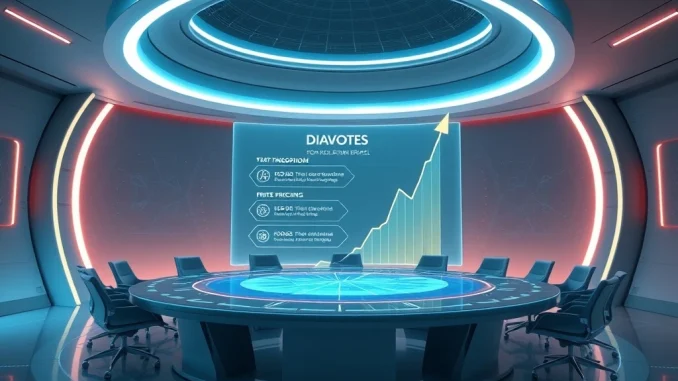
In a groundbreaking move, DeFi App DAO has proposed DIP-004, which would allocate 80% of protocol revenue to buy back its HOME governance token. This strategic decision could reshape tokenomics and empower community governance.
What is DIP-004 and Why Does It Matter?
The DeFi App DAO has introduced DIP-004, a governance proposal that would direct the majority of protocol revenue toward HOME token buybacks. Key details:
- 80% of revenue allocated to weekly buybacks
- Transactions based on Time-Weighted Average Price (TWAP)
- Treasury-managed execution
How the HOME Token Buyback Could Impact DeFi Governance
This DAO proposal represents a significant shift in governance token economics. The buyback mechanism could:
| Benefit | Potential Impact |
|---|---|
| Token scarcity | Increased value for holders |
| Community alignment | Stronger governance participation |
| Protocol sustainability | Long-term value capture |
The Future of DAO Governance and Tokenomics
This proposal showcases how DeFi projects are innovating in governance models. The HOME token buyback could set a precedent for other DAOs considering similar mechanisms to align incentives between protocols and token holders.
Frequently Asked Questions
What is DIP-004?
DIP-004 is a governance proposal by DeFi App DAO to allocate 80% of protocol revenue to buy back HOME tokens.
How will the buybacks be executed?
Buybacks will occur weekly based on TWAP (Time-Weighted Average Price) and managed by the treasury.
What benefits does this bring to HOME token holders?
The buyback could increase token scarcity, potentially boosting value while strengthening governance participation.
When will the proposal be voted on?
The voting timeline hasn’t been specified yet, but DAO members should monitor official channels for updates.
How does this compare to other DAO governance models?
This aggressive buyback approach is relatively novel in DeFi, potentially setting a new standard for protocol revenue distribution.