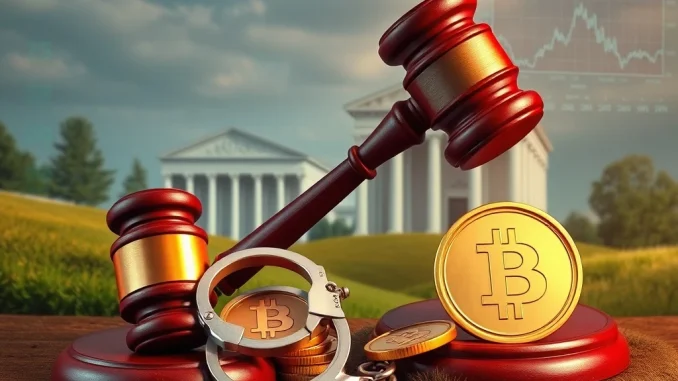
Recent developments from South Korea highlight a significant legal pursuit against a group involved in a substantial crypto scam South Korea. This case underscores the ongoing challenges within the digital asset market. It also serves as a critical reminder for investors to remain vigilant against fraudulent schemes.
South Korean Authorities Target Major Crypto Fraud Investigation
A group of individuals now faces serious charges. They allegedly defrauded 27 investors, causing losses totaling 5.8 billion won, which is approximately $4.3 million. YTN, a prominent South Korean news channel, first reported this significant development. Authorities have formally referred the group to prosecutors. This action signals a determined effort to combat illicit activities in the burgeoning cryptocurrency space.
The alleged ring engaged in sophisticated tactics. They primarily focused on manipulating coin prices. Furthermore, they actively deceived victims by falsely claiming certain tokens would soon be listed on major exchanges. Such promises often entice unsuspecting individuals with the allure of quick profits. Consequently, many investors fall prey to these deceptive practices.
Unraveling the Deception: How Deceived Investors Were Targeted
The accused individuals employed a particularly insidious strategy. They lured deceived investors with promises of exceptionally high returns. These returns were supposedly guaranteed on coins that the group personally backed. This tactic builds a false sense of security and trust. Investors believed their funds were safe due to these personal assurances. However, these guarantees were baseless, leading to significant financial distress for the victims.
This method of operation is unfortunately common in the crypto world. Scammers often leverage the complexity and novelty of digital assets. They exploit the lack of regulatory oversight in some areas. Therefore, understanding these common fraud patterns is crucial for investor protection. Vigilance and thorough research are paramount before committing funds.
Coin Price Manipulation: A Core Element of the Scam
At the heart of this alleged fraud was extensive coin price manipulation. The group reportedly engineered artificial demand and supply for specific tokens. This allowed them to inflate prices falsely. They then sold their holdings at these inflated values, leaving investors with worthless or significantly devalued assets. Such manipulation undermines market integrity. It erodes trust among participants.
Price manipulation can take various forms:
- Pump-and-Dump Schemes: Artificially inflating a coin’s price through misleading promotions, then selling off holdings.
- Wash Trading: Simultaneously buying and selling the same asset to create false trading volume.
- Spoofing: Placing large orders without intending to execute them, to trick others into buying or selling.
These tactics are illegal in traditional financial markets. However, they are harder to regulate and prosecute in the less mature crypto environment. Thus, investors must exercise extreme caution. Always verify claims about future listings or guaranteed returns. Furthermore, always prioritize robust digital asset security practices.
Ensuring Digital Asset Security: Lessons from the South Korean Case
The South Korean case serves as a stark reminder about the importance of digital asset security. Investors must protect themselves proactively. Due diligence is not merely a suggestion; it is a necessity. Before investing in any token, especially those with unverified claims, conduct extensive research. Check the project’s whitepaper, team background, and community sentiment. Always question promises that seem too good to be true.
Furthermore, never share your private keys or seed phrases. Use strong, unique passwords for all crypto-related accounts. Enable two-factor authentication (2FA) wherever possible. Consider using hardware wallets for storing significant amounts of cryptocurrency. These measures significantly reduce the risk of falling victim to scams or hacks. Ultimately, personal responsibility plays a critical role in safeguarding digital investments.
The Broader Impact of Crypto Fraud Investigation
This specific crypto fraud investigation in South Korea is part of a larger global trend. Governments and regulatory bodies worldwide are increasingly focusing on combating cryptocurrency-related crime. As the digital asset market matures, so too does the sophistication of fraudulent schemes. Consequently, law enforcement agencies are adapting their strategies. They are enhancing their capabilities to track and prosecute these complex cases. This particular referral to prosecutors demonstrates a firm stance against such illicit activities.
The South Korean government has been particularly active in developing regulations for its crypto market. This includes measures aimed at investor protection and market transparency. Cases like this reinforce the need for robust regulatory frameworks. They also highlight the importance of international cooperation in tackling cross-border crypto crime. Such efforts are vital for fostering a safer and more trustworthy environment for legitimate innovation within the blockchain space.
Protecting Against Future Crypto Scams
Protecting against future crypto scams South Korea and globally requires a multi-faceted approach. Education is a powerful tool. Investors need to understand the risks involved in cryptocurrency investments. They must also recognize common red flags. Regulatory bodies must continue to develop and enforce clear guidelines. This will help to deter fraudsters. Technology also plays a role. Advanced analytics can help identify suspicious trading patterns indicative of coin price manipulation.
For individuals, here are key protective measures:
- Verify Exchange Listings: Always check official exchange announcements directly. Do not rely on third-party claims.
- Beware of Guaranteed Returns: Legitimate investments rarely offer guaranteed, high returns. High returns usually come with high risks.
- Research the Team: Investigate the background and legitimacy of the project’s development team.
- Seek Independent Advice: Consult trusted financial advisors or experienced crypto community members.
By adopting these practices, investors can significantly reduce their vulnerability. They can also contribute to a more secure and transparent digital asset ecosystem. This ongoing vigilance is crucial for the long-term health and credibility of the cryptocurrency market.
The referral of this group to prosecutors marks a significant step. It shows South Korea’s commitment to protecting its citizens from digital asset fraud. As the legal process unfolds, it will undoubtedly provide further insights into the complexities of crypto crime. It will also highlight the persistent need for both regulatory vigilance and individual investor caution in this evolving financial landscape.
Frequently Asked Questions (FAQs)
Q1: What exactly happened in the $4.3M crypto scam in South Korea?
A group of individuals allegedly defrauded 27 investors out of 5.8 billion won ($4.3 million). They did this by manipulating coin prices and falsely promising token listings on exchanges. They also guaranteed high returns on coins they personally backed, deceiving investors into parting with their funds.
Q2: How did the scammers manipulate coin prices?
The report indicates the ring manipulated coin prices, likely through schemes such as pump-and-dumps. This involves artificially inflating a token’s value through misleading information or coordinated buying, then selling off their holdings at the peak, leaving other investors with devalued assets.
Q3: What does it mean for the group to be ‘referred to prosecutors’?
Being ‘referred to prosecutors’ means that law enforcement or investigative bodies have gathered sufficient evidence to believe a crime has been committed. They have now formally handed the case over to the public prosecution service, which will decide whether to formally indict the individuals and proceed with a trial.
Q4: How can investors protect themselves from similar crypto scams?
Investors should always conduct thorough due diligence before investing. Key steps include verifying claims about exchange listings directly with the exchange, being skeptical of guaranteed high returns, researching the project’s team, and using strong digital asset security practices like hardware wallets and two-factor authentication.
Q5: Is South Korea actively regulating its cryptocurrency market?
Yes, South Korea has been proactive in regulating its cryptocurrency market. The government has introduced various measures aimed at enhancing investor protection, combating money laundering, and ensuring market transparency. This ongoing crypto fraud investigation highlights their continued efforts.