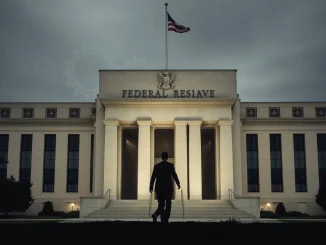
The cryptocurrency market experienced a significant downturn recently. This **crypto market decline** followed a concerning report from CNN. The report highlighted growing worries about non-performing loans at two prominent U.S. regional banks. Investors are now closely watching the intersection of traditional finance and digital assets. This event underscores how macroeconomic factors continue to influence the volatile crypto landscape.
Understanding the US Bank Bad Loans Report
A recent CNN report, cited by Wu Blockchain, brought critical issues to light. It focused on the increasing volume of non-performing loans held by U.S. regional banks. These loans are often under-collateralized, meaning their value is insufficient to cover the debt if borrowers default. Such revelations naturally trigger alarm bells across financial sectors. Historically, problems with bad loans can signal broader economic distress. Therefore, this news immediately raised concerns among market participants.
The report detailed growing anxiety that major U.S. financial institutions hold a significant volume of these problematic loans. This situation echoes past financial crises, making investors particularly cautious. As a result, the broader U.S. stock market also felt the impact. Banking-related share prices notably dropped. This movement indicated a clear lack of confidence among investors. They quickly reacted to the potential for widespread financial instability. Consequently, traditional markets experienced significant selling pressure.
Bitcoin Price Drop: A Direct Consequence
The news about **US bank bad loans** quickly rippled through the cryptocurrency market. Bitcoin, the leading digital asset, did not escape this broader market sentiment. Following the report, Bitcoin’s value fell sharply. It dropped over 5% from its previous day’s trading. The price reached 104,505 USDT on the Binance spot market. This rapid **Bitcoin price drop** demonstrates the interconnectedness of global financial systems. Even a decentralized asset like Bitcoin reacts to traditional market fears. Investors often view Bitcoin as a risk-on asset. Therefore, during periods of heightened financial uncertainty, it tends to correlate with traditional equities, especially tech stocks.
This decline in Bitcoin’s value highlights a common market dynamic. When traditional financial markets face headwinds, investors often reduce their exposure to riskier assets. Cryptocurrencies, despite their unique characteristics, are still largely perceived as high-risk investments. Consequently, capital flows out of these markets during periods of uncertainty. This flight to safety typically benefits assets like gold or government bonds, not volatile digital currencies. Furthermore, the sheer speed of Bitcoin’s reaction shows the market’s sensitivity to major financial news.
Regional Bank Concerns and Broader Market Impact
The focus on **regional bank concerns** is crucial. While not as large as global giants, regional banks play a vital role in local economies. They provide loans to small businesses and individuals. Problems within these institutions can cascade, affecting employment and local spending. The report specifically mentioned two such banks. Their potential instability adds a layer of systemic risk to the financial system. This risk extends beyond just the banking sector. It influences investor confidence across all asset classes.
Moreover, the anxiety spread beyond just the specific banks mentioned. Investors began scrutinizing other financial institutions. They wondered if similar issues existed elsewhere. This generalized fear contributed to a widespread sell-off in banking shares. Many analysts started drawing parallels to previous periods of financial stress. Such comparisons only intensify market jitters. The perception of risk increased, pushing down asset prices globally. This domino effect is a classic characteristic of financial contagion.
Navigating Financial Instability in a Digital Age
The current situation underscores a persistent theme: the global financial system remains susceptible to periods of **financial instability**. While cryptocurrencies offer an alternative paradigm, they are not entirely immune to these traditional market forces. The recent **crypto market decline** serves as a stark reminder. Investors must understand the broader economic landscape. They need to consider how macroeconomic events can influence their digital asset holdings. Decentralized finance (DeFi) aims to build a parallel system. However, the bridges between TradFi and crypto are still strong. This means events in one often impact the other.
For instance, if interest rates rise to combat inflation, it can make borrowing more expensive for banks and consumers. This can exacerbate bad loan issues. Conversely, if central banks inject liquidity, it might temporarily stabilize traditional markets. However, it could also devalue fiat currencies, potentially boosting interest in crypto as a hedge. The interplay is complex. Therefore, staying informed about both traditional and crypto markets is essential for making sound investment decisions. Diversification and a clear risk management strategy are more important than ever.
The Path Forward: What Investors Should Monitor
Investors should continue to monitor several key indicators. Firstly, watch for further reports on non-performing loans within the banking sector. Regulatory responses to these issues will be critical. Secondly, observe the Federal Reserve’s stance on monetary policy. Interest rate decisions heavily influence lending environments. Thirdly, keep an eye on broader economic data, such as inflation and employment figures. These data points provide context for market sentiment. Finally, track the correlation between traditional markets and cryptocurrencies. This relationship can shift, but it often provides clues during periods of uncertainty.
The resilience of the cryptocurrency market will be tested in these conditions. While short-term volatility is expected, the long-term adoption trends remain a significant factor. Developers continue to build innovative solutions. Institutions are still exploring digital assets. Thus, despite temporary setbacks, the underlying technology and potential of crypto endure. However, investors should proceed with caution and thorough research. Understanding the risks associated with both traditional finance and crypto is paramount for navigating future market fluctuations effectively.
Frequently Asked Questions (FAQs)
Q1: What caused the recent crypto market decline?
The recent **crypto market decline** was primarily triggered by a CNN report. This report highlighted concerns about non-performing, under-collateralized loans at two U.S. regional banks. This news fueled broader anxiety in the U.S. stock market, particularly affecting banking shares, and subsequently impacted cryptocurrencies like Bitcoin.
Q2: How do US bank bad loans affect the cryptocurrency market?
**US bank bad loans** create a sense of **financial instability** in traditional markets. This often leads investors to reduce their exposure to perceived riskier assets, including cryptocurrencies. When traditional financial institutions face problems, investor confidence can drop, causing a sell-off across various markets, including crypto.
Q3: Why did Bitcoin’s price drop specifically?
Bitcoin’s price dropped over 5% because it is often viewed as a risk-on asset. During periods of heightened market fear and uncertainty in traditional finance, investors tend to sell off riskier holdings. This flight to safety led to the significant **Bitcoin price drop**, reflecting a general risk-off sentiment in the market.
Q4: What are regional bank concerns, and why are they important?
**Regional bank concerns** refer to worries about the financial health of smaller, localized banks. These banks are crucial for local economies, providing loans to businesses and individuals. Issues like bad loans at regional banks can signal broader systemic risks, affecting investor confidence and potentially leading to wider **financial instability** across the entire banking sector and beyond.
Q5: Is the crypto market always affected by traditional financial news?
While the crypto market aims for decentralization, it is not entirely isolated from traditional financial news. Major events like reports on bank bad loans or shifts in monetary policy can significantly influence investor sentiment and capital flows, often leading to correlations between crypto and traditional asset movements, especially during periods of market stress.