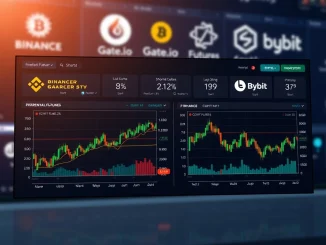
The cryptocurrency market has been rocked by massive liquidations as leveraged traders faced brutal losses. Over $200 million vanished in just 24 hours, with Ethereum, Bitcoin, and Solana positions getting wiped out. This bloodbath reveals the dangerous reality of perpetual futures trading.
Why Are Crypto Liquidations Surging?
The recent market downturn triggered a cascade of liquidations across major exchanges. Here’s what happened:
- Ethereum saw $101.96 million liquidated (65.92% long positions)
- Bitcoin faced $73.09 million in liquidations (81.54% longs)
- Solana recorded $32.30 million wiped out (86% longs)
Understanding Perpetual Futures and Leverage Risks
Perpetual futures allow traders to speculate without owning assets, but they come with deadly risks:
| Feature | Risk Factor |
|---|---|
| No expiry date | Positions can remain vulnerable indefinitely |
| High leverage | Small price swings can wipe out accounts |
| Funding rates | Can eat into profits during volatile periods |
How the Liquidation Domino Effect Works
The market downturn created a dangerous feedback loop:
- Prices start falling
- Long positions get liquidated
- Forced selling pushes prices lower
- More positions get liquidated
Surviving Crypto Market Volatility
Smart traders use these strategies to avoid liquidation:
- Limit leverage to 2x-5x maximum
- Set strict stop-loss orders
- Monitor margin levels constantly
- Stay updated on market sentiment
FAQs About Crypto Liquidations
Q: What triggers a liquidation in crypto trading?
A: When your position loses enough value that your collateral can’t cover potential losses.
Q: Why were most liquidations long positions?
A: Traders betting on price increases got caught when the market turned bearish.
Q: Can liquidations be prevented?
A: Yes, through proper risk management including lower leverage and stop-losses.
Q: Do liquidations affect the broader market?
A: Yes, mass liquidations can accelerate price declines through forced selling.