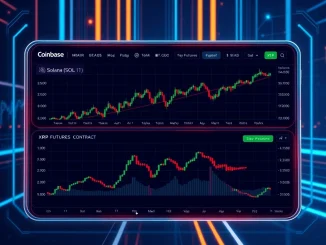
The cryptocurrency world witnessed a sudden and dramatic event recently. Major exchanges processed a stunning **crypto futures liquidation** totaling $137 million within a single hour. This immediate downturn contributed to an even larger sum. In the past 24 hours, a staggering $531 million worth of futures positions vanished. This significant capital movement underscores the inherent **market volatility** within the digital asset space. Traders and investors closely monitor such events. They often signal shifts in market sentiment or underlying price pressures.
Understanding Crypto Futures Liquidation
To fully grasp the recent events, one must understand what **futures contracts** are. These are agreements to buy or sell an asset at a predetermined price on a specific future date. In the cryptocurrency realm, they allow traders to speculate on the future price of digital assets like Bitcoin or Ethereum without owning the underlying asset. Many traders use leverage with these contracts. This means they can control a large position with a relatively small amount of capital. However, leverage amplifies both potential gains and losses.
Liquidation occurs when a trader’s leveraged position falls below a certain margin requirement. The exchange automatically closes the position to prevent further losses for the trader and the exchange itself. This process happens quickly. It aims to protect the integrity of the trading system. High leverage significantly increases the risk of liquidation. Small price movements can trigger these automatic closures.
The Mechanics Behind Futures Contracts
Exchanges facilitate **futures contracts**. They provide the platform for trading. Traders deposit collateral, known as margin, to open a leveraged position. For instance, a 10x leverage means a trader can control $10,000 worth of Bitcoin with only $1,000 of their own capital. If the price moves favorably, profits are magnified. Conversely, if the price moves against the position, losses are also magnified. When the value of the collateral (margin) drops below the maintenance margin level, the exchange issues a margin call. If the trader does not add more funds, the position is liquidated. This prevents the account balance from going negative. This automated process is a critical risk management tool for exchanges.
A Closer Look at Recent Bitcoin Futures Market Volatility
The recent liquidation wave primarily affected **bitcoin futures** and other major altcoin futures. The $137 million liquidated in an hour, followed by the $531 million over 24 hours, highlights intense selling pressure. This sudden activity suggests a rapid price decline. Such events often catch highly leveraged traders off guard. When Bitcoin, the largest cryptocurrency, experiences significant price swings, the entire **cryptocurrency market** typically reacts. This ripple effect impacts altcoins and other derivative products.
Historical data shows that large liquidations are not uncommon in crypto. They often follow periods of high speculation or unexpected news. The scale of this event, however, indicates a substantial market shift. It prompts many to reassess their risk exposure. Moreover, it reminds participants about the inherent risks of leveraged trading. Traders must understand these dynamics. They need robust strategies to navigate such turbulent periods.
Triggers for Massive Liquidations
Several factors can trigger such large-scale liquidations. A sudden, sharp price drop is the most common cause. This could stem from a major news announcement, a whale selling a large amount of crypto, or broader macroeconomic concerns. When prices fall rapidly, many leveraged long positions (bets on rising prices) quickly become unprofitable. As these positions are liquidated, it can create a cascade effect. This means further selling pressure, which then triggers more liquidations. This phenomenon can accelerate price declines. It creates a ‘liquidation cascade’ that amplifies **market volatility**. Unexpected market movements can also liquidate short positions if prices surge unexpectedly.
Navigating the Futures Market Safely
Participating in the **futures market** requires careful consideration of risk. Traders should prioritize robust risk management strategies. First, avoiding excessive leverage is crucial. While high leverage offers amplified returns, it also dramatically increases liquidation risk. Many experienced traders recommend using conservative leverage ratios. Second, setting stop-loss orders is essential. A stop-loss order automatically closes a position when the price reaches a predefined level. This limits potential losses. It acts as a safety net against rapid market downturns.
Furthermore, traders must stay informed about market news and trends. Understanding the broader economic landscape and specific crypto developments can help anticipate price movements. Diversifying one’s portfolio also helps mitigate risk. Spreading investments across different assets reduces exposure to single asset volatility. These practices contribute to safer trading. They help protect capital during periods of high **market volatility**.
Lessons from Market Volatility
The recent liquidations offer valuable lessons for all market participants. They underscore the importance of capital preservation. Always consider the worst-case scenario. Never invest more than you can afford to lose. For those engaging in **futures contracts**, continuous education is vital. Understand the complex instruments you trade. A deep understanding of market mechanics helps in making informed decisions. Market events like these reinforce the need for discipline. Emotional decisions often lead to significant losses. Stick to your trading plan. Adjust strategies based on market conditions, not impulse. This disciplined approach is key to long-term success.
The Broader Impact on the Cryptocurrency Ecosystem
Large-scale liquidations have wider implications beyond individual traders. They can impact overall investor sentiment. Such events often cause fear and uncertainty. This might lead to reduced trading activity or a flight to safer assets. Regulatory bodies also pay close attention to such occurrences. They scrutinize the stability and fairness of the **cryptocurrency market**. This scrutiny can potentially lead to stricter regulations. Market stability is a key concern for regulators. Events like these highlight the need for robust infrastructure and transparent trading practices. The long-term health of the ecosystem depends on these factors. Building trust remains paramount.
Ultimately, while painful for those liquidated, these events are a natural part of a volatile market. They cleanse excessive leverage from the system. This can sometimes pave the way for more sustainable growth. However, they serve as a powerful reminder. The crypto market demands respect. It requires careful navigation. Traders must remain vigilant and adaptable. Understanding the mechanisms of **crypto futures liquidation** is therefore crucial for anyone involved in digital asset trading.
The recent liquidation event is a stark reminder of the inherent risks and rapid shifts possible within the **cryptocurrency market**. While challenging for some, it reinforces the need for sound risk management and informed decision-making for all participants. Understanding **futures contracts** and managing exposure to **market volatility** remains paramount for navigating this dynamic landscape successfully.
Frequently Asked Questions (FAQs)
What is crypto futures liquidation?
Crypto futures liquidation is the forced closing of a trader’s leveraged position by an exchange. This occurs when the value of their collateral (margin) falls below a required level, usually due to adverse price movements. It prevents the trader’s account from incurring further losses beyond their initial margin.
Why did $137 million in futures get liquidated in one hour?
A $137 million liquidation in one hour typically indicates a rapid and significant price drop in the underlying cryptocurrency, such as Bitcoin. This sharp movement triggers the automatic closure of numerous highly leveraged long positions as their margin requirements are no longer met.
How does leverage affect futures trading and liquidation risk?
Leverage allows traders to control a larger position with less capital, amplifying both potential profits and losses. Higher leverage ratios mean smaller price movements can quickly lead to a trader’s margin falling below the maintenance level, thus increasing the risk of liquidation.
Are large liquidations common in the cryptocurrency market?
While the exact figures vary, large-scale liquidations are not uncommon in the highly volatile **cryptocurrency market**. They often occur during periods of significant price swings, driven by news, market sentiment, or broader economic factors, and can lead to cascade effects.
How can traders protect themselves from crypto futures liquidation?
Traders can protect themselves by using conservative leverage, setting stop-loss orders to limit potential losses, maintaining sufficient margin, and staying informed about market conditions. Diversifying one’s portfolio and avoiding over-exposure to single assets also helps mitigate risk.
What is the broader impact of such liquidations on the cryptocurrency market?
Large liquidations can increase **market volatility**, impact investor sentiment, and potentially lead to increased regulatory scrutiny. While painful for affected traders, they can also ‘cleanse’ excessive leverage from the system, potentially setting the stage for more stable growth.