The cryptocurrency market recently experienced a significant event. A staggering $121 million worth of crypto futures positions were liquidated in just one hour. This rapid downturn caught many traders off guard. Furthermore, the past 24 hours saw total liquidations reach an astounding $582 million. Such figures underscore the inherent cryptocurrency volatility prevalent in digital asset markets. This article delves into the mechanics behind these massive liquidations and their implications for the broader futures market.
Understanding Massive Crypto Liquidations
Crypto liquidations occur when an exchange forcefully closes a trader’s leveraged position. This happens due to an insufficient margin to keep the trade open. Essentially, the market moves against the trader’s bet. Consequently, their initial margin deposit no longer covers potential losses. The $121 million figure represents a large number of these forced closures. This particular event unfolded very quickly. Traders using high leverage face increased risks during periods of sharp price movements. Therefore, they are more susceptible to these rapid liquidations.
In the last 24 hours, the total liquidated value climbed even higher. It reached nearly $600 million. This suggests a sustained period of market instability. Various factors contribute to such large-scale liquidations. These include sudden price drops, unexpected news, or even cascading effects from initial liquidations. Ultimately, these events highlight the amplified risks associated with leveraged trading in the crypto space. Market participants must understand these mechanisms.
The Mechanics of the Futures Market
The futures market allows traders to speculate on the future price of an asset. They do this without owning the underlying asset directly. In cryptocurrency, futures contracts are incredibly popular. They offer opportunities for both hedging and speculation. Traders often use leverage to amplify their potential returns. For instance, a 10x leverage means a 1% price movement in the underlying asset translates to a 10% gain or loss on the trader’s capital. This magnification works both ways. It can lead to substantial profits or devastating losses.
Major exchanges facilitate these futures trades. These platforms enforce strict margin requirements. If a trader’s margin falls below a certain threshold, the exchange issues a margin call. If the trader fails to add more funds, their position gets liquidated. This protects the exchange from absorbing the trader’s losses. Thus, liquidations are a crucial risk management tool for exchanges. However, they are a painful reality for traders.
Impact on Bitcoin Futures and Altcoins
While specific assets were not detailed, Bitcoin often drives the overall market sentiment. Therefore, significant movements in Bitcoin futures typically influence altcoin markets. A sudden drop in Bitcoin’s price can trigger liquidations across a wide range of crypto assets. This creates a ripple effect. Many traders use Bitcoin as collateral for their altcoin futures positions. When Bitcoin’s value falls, their collateral value decreases. This further exacerbates their risk of liquidation. As a result, market-wide liquidations become more probable.
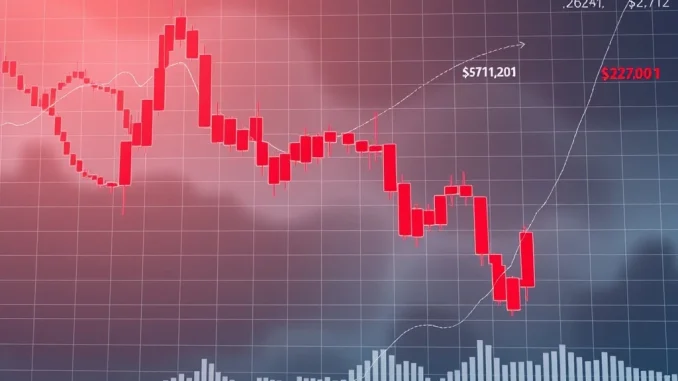
The recent liquidations likely involved a mix of long and short positions. However, the magnitude suggests a dominant directional move. Often, a sharp downward price action liquidates numerous long positions. Conversely, a rapid price increase liquidates short positions. This recent event points towards a swift price decline. This left many bullish traders vulnerable. Consequently, their leveraged long bets were wiped out quickly.
Navigating Cryptocurrency Volatility
Cryptocurrency volatility is a defining characteristic of the digital asset space. Prices can swing dramatically within minutes or hours. This volatility attracts traders seeking quick profits. However, it also presents significant risks. The $121 million liquidation event serves as a stark reminder. Traders must exercise extreme caution. Proper risk management is paramount. This includes setting stop-loss orders. It also means avoiding excessive leverage. Furthermore, diversifying one’s portfolio can mitigate some risks. Staying informed about market news is also crucial. Unexpected announcements or macroeconomic shifts can trigger rapid price changes.
Experienced traders understand these dynamics. They often adjust their strategies during volatile periods. Newer traders, however, might underestimate the risks. They might not fully grasp the implications of leverage. Therefore, education on safe trading practices remains vital. The market will undoubtedly continue to experience such events. Prudent preparation helps traders navigate these turbulent waters more effectively.
The Broader Implications of Leveraged Trading
Leveraged trading offers significant opportunities. However, it also introduces systemic risks. When large liquidations occur, they can create a cascading effect. This means one liquidation can trigger others. The forced selling by exchanges can push prices down further. This then triggers more margin calls and more liquidations. This cycle can intensify market downturns. Regulators often express concerns about such mechanisms. They worry about potential market instability. Therefore, understanding the broader implications is essential.
The sheer volume of recent liquidations indicates substantial market activity. It reflects aggressive positioning by traders. It also shows a swift market reaction to underlying factors. These factors might include shifts in investor sentiment. They could also involve macroeconomic data releases. Moreover, technical price levels often act as triggers. Breaching key support levels can accelerate sell-offs. This further fuels liquidation events. Therefore, market participants must remain vigilant.
Looking Ahead: What This Means for the Market
Such significant liquidation events often precede periods of consolidation or further price discovery. They can ‘cleanse’ the market of over-leveraged positions. This potentially sets the stage for more stable growth. However, they can also signal deeper underlying issues. Traders should monitor key support and resistance levels. They should also watch for changes in trading volume. These indicators provide clues about future market direction. The aftermath of such events often sees increased caution among participants. This leads to reduced leverage usage. Consequently, the market might experience less extreme price swings in the immediate future.
Ultimately, the cryptocurrency market continues to evolve. Its unique characteristics, including high volatility and the prevalence of leveraged products, make it a dynamic environment. While challenging, these market dynamics also create opportunities for informed and disciplined traders. Learning from these liquidation events is crucial. It helps traders refine their strategies. It also enhances their risk management protocols. Staying updated on market trends is paramount for success.
Frequently Asked Questions (FAQs)
Q1: What exactly are crypto liquidations?
A1: Crypto liquidations happen when an exchange forcibly closes a trader’s leveraged position. This occurs because the trader’s margin balance falls below the required maintenance level. The market moving against their trade causes this.
Q2: Why did $121 million worth of futures get liquidated so quickly?
A2: A rapid and significant price movement in the underlying cryptocurrency likely triggered these liquidations. Traders holding highly leveraged positions on the wrong side of this movement quickly ran out of margin, leading to forced closures by exchanges.
Q3: How does leverage affect futures trading?
A3: Leverage allows traders to control larger positions with a smaller amount of capital. While it amplifies potential profits, it also significantly magnifies potential losses. This increases the risk of liquidation during adverse market movements.
Q4: Is cryptocurrency volatility normal?
A4: Yes, cryptocurrency volatility is a well-known characteristic of the digital asset market. Prices can fluctuate dramatically in short periods due to various factors, including news, market sentiment, and macroeconomic events. This volatility is higher compared to traditional financial markets.
Q5: What can traders do to avoid liquidations?
A5: Traders can implement several strategies. These include using lower leverage, setting stop-loss orders, maintaining sufficient margin, and diversifying their portfolios. Understanding market dynamics and practicing sound risk management are crucial.
Q6: What is the difference between Bitcoin futures and spot trading?
A6: Bitcoin futures involve contracts to buy or sell Bitcoin at a predetermined price on a future date. Traders speculate on price movements without owning Bitcoin. Spot trading, conversely, involves buying or selling Bitcoin directly for immediate delivery, meaning traders own the actual asset.