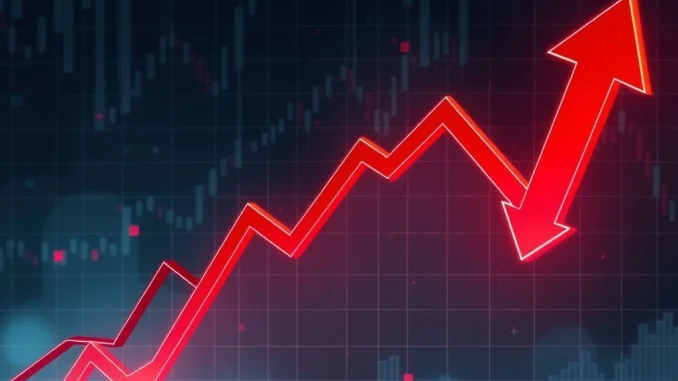
The cryptocurrency market was rocked by a sudden $100 million liquidation of crypto futures in just one hour, as volatility surged to alarming levels. This event highlights the extreme risks of leveraged trading and the fragility of market stability. Here’s what happened and how you can protect your investments.
What Triggered the $100 Million Crypto Futures Liquidation?
A sharp spike in volatility led to a cascade of leveraged positions being automatically closed by exchanges. Key factors include:
- Unexpected price swings due to macroeconomic news
- High leverage ratios (up to 100x) amplifying losses
- Panic selling exacerbating the downturn
The Domino Effect of Crypto Futures Liquidations
When large-scale liquidations occur, they create a feedback loop:
- Forced closures trigger more selling pressure
- Prices drop further, causing additional liquidations
- Market sentiment turns negative, prolonging the downturn
Who Gets Hit Hardest by Crypto Liquidations?
Retail traders using high leverage are most vulnerable:
| Risk Factor | Impact |
|---|---|
| 100x leverage | 1% drop wipes out position |
| No stop-loss | Complete loss possible |
| Undercapitalized | Margin calls inevitable |
Smart Strategies to Avoid Crypto Futures Liquidation
Protect yourself with these risk management techniques:
- Use lower leverage (5x-10x instead of 50x-100x)
- Always set stop-loss orders
- Maintain adequate margin reserves
- Diversify across asset classes
Historical Context: Crypto Futures Volatility Patterns
Major liquidation events have occurred during:
- March 2020 COVID crash
- November 2022 FTX collapse
- July 2025 volatility surge
FAQs About Crypto Futures Liquidations
Q: What exactly is a futures liquidation?
A: When a trader’s margin falls below requirements, exchanges automatically close positions to limit losses.
Q: How can I check if my position is at risk?
A: Monitor your margin ratio and liquidation price, which exchanges display.
Q: Are liquidations always bad for the market?
A: They create short-term pain but can remove excessive leverage, potentially stabilizing prices long-term.
Q: Should beginners avoid futures trading?
A: Yes, start with spot trading to learn market dynamics before using leverage.