The cryptocurrency world constantly shifts. Understanding investor psychology becomes crucial for informed decisions. The Crypto Fear & Greed Index offers a valuable snapshot of this collective emotion. It helps participants gauge prevailing market sentiment. This powerful tool recently signaled a significant shift. It moved deeper into the ‘Greed’ territory. This article explores what this means for the broader crypto market.
Understanding the Crypto Fear & Greed Index
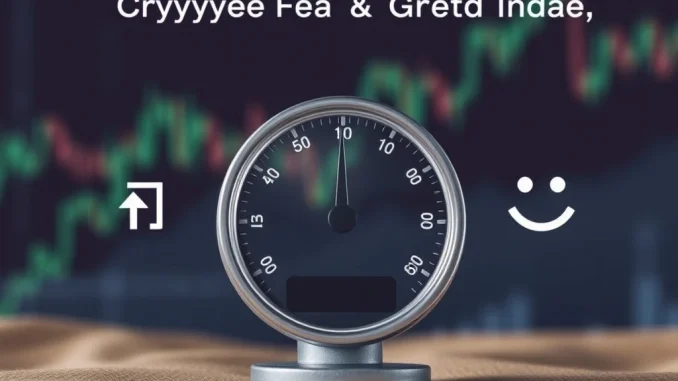
The Crypto Fear & Greed Index serves as a unique barometer. Software development platform Alternative provides it. It measures two primary emotions: fear and greed. These emotions often drive market behavior. The index ranges from 0 to 100. A score of 0 signifies ‘Extreme Fear.’ Conversely, 100 indicates ‘Extreme Greed.’ This scale provides a clear visual cue for investors.
Many factors influence this daily metric. Six distinct components contribute to its calculation. Each component carries a specific weight. This comprehensive approach ensures a balanced view. Volatility and market momentum are key contributors. Social media sentiment and Google Trends also play roles. Furthermore, Bitcoin dominance offers unique insights. Surveys historically contributed, but they are currently paused.
The Current State: Navigating the ‘Greed’ Zone
As of August 13, the index reached 73. This marked a five-point increase from the previous day. This upward movement kept the index firmly within the ‘Greed’ zone. Such a high reading suggests strong positive sentiment. Investors appear confident. They might be eager to buy. This prevailing mood often accompanies rising prices. However, high greed can also signal caution. Markets can become overheated.
Historically, extreme greed precedes corrections. Smart investors often ‘be fearful when others are greedy.’ This adage suggests a contrarian approach. Therefore, while current market sentiment is positive, vigilance remains important. The index provides a snapshot, not a crystal ball. It highlights current emotional states. Investors must combine this data with other analyses.
Key Factors Driving the Fear & Greed Index
The index’s strength lies in its multi-faceted approach. Each factor offers a distinct perspective on the crypto market‘s emotional state. Understanding these components helps interpret the overall score. Let’s explore them in detail:
Volatility (25%): This measures current market fluctuations. High volatility often indicates fear. It suggests uncertainty among traders. Low volatility, conversely, can signal stability or even complacency. Sudden price swings, therefore, impact the index significantly.
Market Momentum/Volume (25%): This factor analyzes trading volume and market strength. High buying volume, especially during price increases, suggests strong bullish momentum. This pushes the index towards ‘Greed.’ Low volume during declines, however, points towards ‘Fear.’
Social Media (15%): This component monitors cryptocurrency-related hashtags. It tracks mentions and sentiment on various platforms. Increased positive chatter signals growing enthusiasm. This contributes to a higher ‘Greed’ score. Negative discussions, naturally, reflect ‘Fear.’
Surveys (15%): While currently paused, these surveys historically gauged public opinion. They asked users about their perceptions of the market. Future reinstatement could add another layer to the index’s insights.
Bitcoin Dominance (10%): This measures Bitcoin’s market capitalization share. A rising Bitcoin dominance often indicates a flight to safety. Investors might be moving from altcoins to Bitcoin. This can signal ‘Fear’ in the broader altcoin market. Conversely, declining Bitcoin dominance suggests altcoin rallies, potentially indicating ‘Greed’ across the board.
Google Trends (10%): This factor analyzes search queries related to cryptocurrencies. Rising search interest for terms like ‘Bitcoin price manipulation’ might indicate ‘Fear.’ Increased searches for ‘how to buy crypto’ often suggest growing public interest and ‘Greed.’
Interpreting Market Sentiment: Fear vs. Greed
The Fear and Greed Index provides more than just a number. It offers a powerful psychological insight. When the index shows ‘Extreme Fear,’ it suggests oversold conditions. Many investors are panicking. This period often presents buying opportunities. Legendary investors like Warren Buffett advocate being ‘greedy when others are fearful.’ This strategy aims to buy assets at a discount.
Conversely, a high ‘Greed’ score, like the current 73, warns of potential overextension. Prices might be inflated. Many new investors might be entering the market. They often chase gains. This can lead to unsustainable rallies. Experienced traders might consider taking profits during such times. They prepare for potential pullbacks. The index, therefore, acts as a counter-indicator for some. It helps them avoid emotional trading decisions. It encourages a disciplined approach to the volatile crypto market.
Historical Context and Future Outlook
Analyzing the Crypto Fear & Greed Index over time reveals patterns. Periods of prolonged ‘Extreme Fear’ often precede significant market recoveries. Similarly, extended periods in the ‘Greed’ zone can lead to corrections or consolidation. For instance, during the 2021 bull run, the index frequently touched ‘Extreme Greed’ levels. Subsequent pullbacks often followed. Conversely, the bear market of 2022 saw persistent ‘Extreme Fear’ readings. This set the stage for later recoveries.
Investors can use this historical context. They can anticipate potential market movements. However, the index is not a standalone predictor. It serves as one tool among many. It should be combined with fundamental analysis and technical indicators. The current 73 reading in the ‘Greed’ zone suggests continued optimism. Yet, market participants should remain agile. They must adapt to changing conditions. The dynamic nature of the crypto market demands constant vigilance.
Conclusion: Staying Informed in the Crypto Market
The Crypto Fear & Greed Index offers a valuable perspective. It distills complex market emotions into a simple score. Its current standing at 73, deep within the ‘Greed’ zone, reflects strong positive market sentiment. This indicates robust investor confidence. However, understanding the index’s components is vital. Volatility, momentum, social media, Bitcoin dominance, and Google Trends all contribute. Each factor provides unique insights into the broader crypto market.
Ultimately, the index empowers investors. It helps them make more informed decisions. It encourages a balanced approach. It highlights when caution might be warranted. It also points to potential opportunities. By integrating this tool into their analysis, market participants can better navigate the exciting and often unpredictable world of cryptocurrencies.
Frequently Asked Questions (FAQs)
Q1: What is the Crypto Fear & Greed Index?
The Crypto Fear & Greed Index is a tool by Alternative.me. It measures the current emotional state of the cryptocurrency market. It ranges from 0 (Extreme Fear) to 100 (Extreme Greed).
Q2: How is the Fear & Greed Index calculated?
It combines data from six factors. These include market volatility, trading momentum/volume, social media sentiment, Bitcoin dominance, and Google Trends. Surveys were also a factor but are currently paused.
Q3: What does a high ‘Greed’ score mean for the crypto market?
A high ‘Greed’ score, like 73, indicates strong positive market sentiment and investor confidence. It suggests many are buying or holding. However, it can also signal an overheated market, potentially preceding a correction.
Q4: How does Bitcoin dominance affect the index?
Bitcoin dominance measures Bitcoin’s share of the total crypto market cap. A rising dominance can indicate ‘Fear’ as investors move to safer assets (Bitcoin). A falling dominance often suggests ‘Greed’ as altcoins gain traction.
Q5: Should I buy when the Crypto Fear & Greed Index is high?
A high ‘Greed’ score suggests caution. Many experienced investors consider it a time to be wary or even take profits. The index is a sentiment tool, not a direct buy/sell signal. Always combine it with your own research.