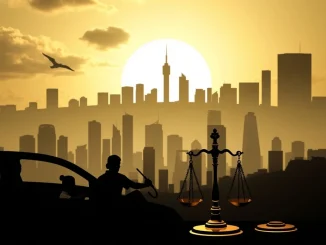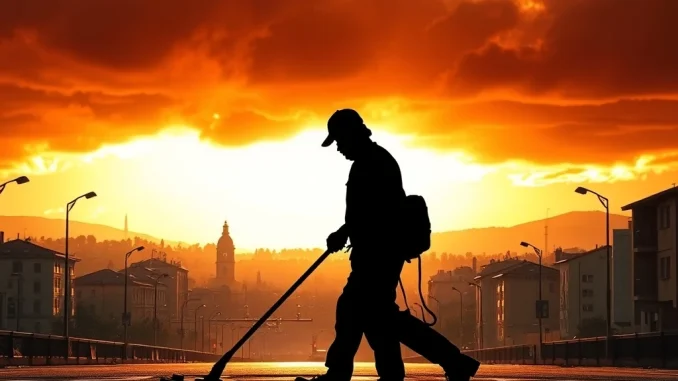
In a world increasingly shaped by global challenges, the tragic death of a Barcelona street sweeper from heatstroke serves as a stark reminder of the profound human cost of our changing climate. While the cryptocurrency space often focuses on digital innovation and decentralized finance, the underlying principles of resilience, social impact, and ethical governance are deeply intertwined with real-world events. This devastating incident in Southern Europe, and the subsequent **labor protests** it ignited, underscores the urgent need for robust solutions and collective action, themes that resonate with the broader vision of a more equitable and sustainable future that many in the Web3 community champion. It highlights how the **climate change impact** is no longer a distant threat but a present danger, directly affecting the lives and livelihoods of essential workers.
Heatstroke Deaths: A Sobering Reality for Outdoor Workers
The summer of 2025 brought with it a tragic turning point for labor rights in Southern Europe. Montse Aguilar, a 51-year-old street sweeper in Barcelona, succumbed to heatstroke in June amidst a severe heatwave. Her death was not an isolated incident but a symptom of a growing crisis. Since Aguilar’s passing, over a dozen city cleaners have reported heat-related illnesses, painting a grim picture of the conditions faced by outdoor workers. The Carlos III Health Institute in Spain reported over 1,000 excess deaths in June and July due to extreme heat, directly linking this alarming trend to climate change. These **heatstroke deaths** are a stark indicator that rising temperatures are not just an inconvenience but a deadly public health crisis, demanding immediate and sustained attention to protect vulnerable populations.
Understanding the Broader Climate Change Impact on Labor
The incident in Barcelona has intensified the global conversation around the **climate change impact** on labor conditions. As temperatures soar across Southern Europe and beyond, outdoor workers, from street cleaners to construction staff and tour guides, face increasingly perilous environments. The International Labor Organization (ILO) has ominously described heat stress as an “invisible killer,” emphasizing the urgent need for stricter protections for workers, particularly in regions like Europe and Central Asia, where heat exposure has surged this century. This isn’t just about comfort; it’s about fundamental human rights and the right to a safe working environment. The long-term implications of rising global temperatures on various industries, including agriculture, logistics, and tourism, highlight a systemic vulnerability that requires innovative policy and technological solutions.
Worker Safety: A Battle Between Policy and Practice
In response to the outcry, Barcelona City Hall implemented new **worker safety** measures. These included breathable uniforms, hourly water breaks when temperatures hit 34°C (93°F), and work suspensions when the mercury climbed above 40°C (104°F). On paper, these policies appear comprehensive. However, the reality on the ground tells a different story. Workers claim these vital policies are inconsistently enforced. Reports have surfaced of supervisors penalizing employees for taking their mandated breaks, and many workers are forced to purchase their own water, adding a financial burden to their physical strain. Antonia Rodríguez, a 56-year-old cleaner with over two decades of experience, poignantly stated, “each year the heat is worse,” encapsulating the frustration and the feeling of being unprotected despite official guidelines. This gap between policy formulation and practical implementation remains a critical challenge.
Labor Protests: A Collective Demand for Climate Justice
Montse Aguilar’s death galvanized workers across Southern Europe, sparking significant **labor protests**. In Barcelona, workers marched with powerful banners, demanding that extreme heat be recognized as a form of workplace violence. This sentiment echoed across the region. In Greece, while labor regulations do mandate breaks for outdoor workers, unions argue for comprehensive, year-round heat-safety monitoring, acknowledging that the problem extends beyond just peak summer months. Thomas Siamandas, an Athens grill cook working in 38°C (100.4°F) conditions, shared his daily routine of air-conditioned breaks and hydration, yet acknowledged the immense physical toll. Similarly, in Rome, tour guides like Massimo De Filippis navigate the sunbaked Roman Forum, with their federation, Federagit, lobbying for earlier opening hours. The Colosseum Archaeological Park’s minimal adjustment of a 30-minute earlier start and late-night visits falls short of addressing the severe midday heat. These collective actions underscore a growing demand for climate justice, asserting that economic growth cannot come at the expense of worker well-being.
Extreme Heat: An Unseen Threat Demanding Action
The crisis highlights how **extreme heat** is rapidly becoming an unseen, yet pervasive, threat to public health and economic stability. Diana Gómez, head of Spain’s Carlos III Health Institute’s mortality observatory, stressed that rising temperatures are exacerbating public health crises, turning what was once considered a seasonal discomfort into a year-round concern for many. The International Labor Organization’s call for coordinated international action underscores the global nature of this challenge. This isn’t just a regional issue; it’s a global phenomenon requiring a unified response. As more regions face unprecedented heatwaves, the need for proactive measures, comprehensive worker protections, and long-term climate adaptation strategies becomes increasingly critical. The human cost of inaction is simply too high.
Challenges and the Path Forward
The incident in Barcelona and the subsequent protests lay bare systemic vulnerabilities in current labor policies. While cities implement emergency measures, the lack of consistent enforcement and the absence of long-term policy shifts remain significant barriers. Balancing economic growth with essential worker safety, particularly for those in hazardous roles, is a complex challenge. The path forward requires:
- Stronger Regulations: Mandating specific temperature thresholds for work stoppages and breaks.
- Consistent Enforcement: Ensuring that policies are not just on paper but are actively monitored and upheld, with penalties for non-compliance.
- Worker Empowerment: Protecting workers who report violations and ensuring they have access to resources like water and shade.
- Climate Adaptation: Investing in infrastructure and urban planning that mitigates heat, such as green spaces and cool pavements.
- Public Awareness: Educating both employers and employees about the dangers of heat stress and preventative measures.
Conclusion: A Call for Climate Justice and Worker Protection
The tragic death of Montse Aguilar has become a poignant symbol, a focal point for broader debates about climate justice and the fundamental rights of workers in an era of accelerating climate change. Southern Europe, with its increasingly harsh summers, serves as a stark example of the human cost of unregulated heat exposure. This incident is a powerful reminder that as our planet warms, the most vulnerable among us often bear the heaviest burden. It’s a call to action for governments, corporations, and individuals to prioritize **worker safety** and implement effective strategies to mitigate the devastating **climate change impact**. Only through concerted effort can we prevent more **heatstroke deaths** and ensure that essential workers can perform their duties safely, even in the face of rising **extreme heat** and the ongoing challenges of **labor protests** for a fairer future.
Frequently Asked Questions (FAQs)
1. What sparked the recent labor protests in Southern Europe?
The widespread labor protests across Southern Europe were primarily sparked by the tragic heatstroke death of Montse Aguilar, a 51-year-old street sweeper in Barcelona, in June 2025. This incident, occurring during an intense heatwave, intensified calls for stronger protections for outdoor workers against extreme heat.
2. What new safety measures did Barcelona City Hall implement for outdoor workers?
Barcelona City Hall responded to the crisis by imposing new safety measures including breathable uniforms, mandatory hourly water breaks at 34°C (93°F), and work suspensions when temperatures exceed 40°C (104°F). However, workers have reported inconsistent enforcement of these policies.
3. How is climate change specifically impacting outdoor workers?
Climate change is leading to more frequent and intense heatwaves, making outdoor work increasingly hazardous. This results in a higher risk of heat-related illnesses like heatstroke, reduced productivity, and increased fatalities among workers in sectors such as sanitation, construction, and tourism, especially in regions like Southern Europe.
4. What is the International Labor Organization’s (ILO) stance on heat stress for workers?
The International Labor Organization (ILO) describes heat stress as an “invisible killer” and is pushing for coordinated international action. They urge stricter protections for workers in Europe and Central Asia, where heat exposure has significantly surged this century, emphasizing the need for global recognition and mitigation of this occupational hazard.
5. Are heat-related deaths increasing in Southern Europe?
Yes, data from institutions like Spain’s Carlos III Health Institute indicates a concerning rise in heat-related deaths. The institute reported over 1,000 excess deaths in June and July 2025 due to extreme heat, directly linking this trend to the escalating impacts of climate change on public health.
6. What are the main challenges in enforcing worker safety policies during heatwaves?
Key challenges in enforcing worker safety policies include inconsistent application by supervisors, reported penalties for workers taking mandated breaks, and instances where employees are forced to bear the cost of essential resources like water. This gap between policy and practice undermines efforts to protect workers effectively.