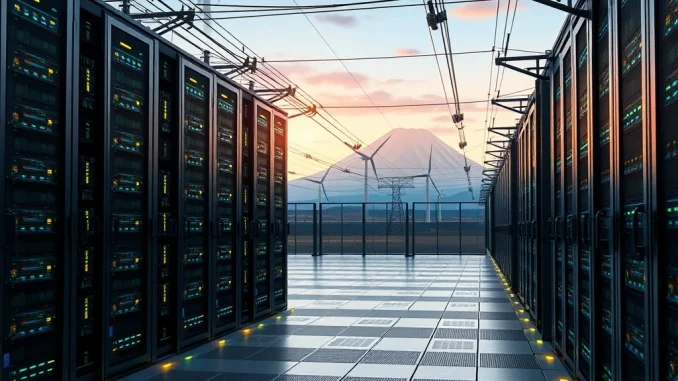
The cryptocurrency world often sparks innovation beyond digital currencies themselves. A recent development highlights this trend, as **Canaan**, a Nasdaq-listed firm known for its **Bitcoin mining** hardware, has secured a significant contract. This agreement involves supplying advanced **Bitcoin mining** rigs to a Japanese power company. This strategic partnership aims to explore new methods for enhancing **grid stability**, marking a pivotal moment for both the energy sector and the digital asset industry.
Canaan Forges Key Partnership for Japan Energy Innovation
In a notable move, Canaan, a prominent player in the **Bitcoin mining** equipment sector, has announced a new partnership. The company, which originated in China and is now publicly traded on Nasdaq, will provide its specialized mining hardware to an unnamed Japanese power company. This collaboration is specifically designed for research purposes, focusing on how Bitcoin mining operations can contribute to the resilience and efficiency of electrical grids.
While the identity of the Japanese partner remains undisclosed, the implications are substantial. This initiative aligns with broader efforts within Japan to innovate its energy infrastructure. Consequently, it demonstrates a growing recognition of Bitcoin mining’s potential beyond its primary function of securing the Bitcoin network. The deployment of these rigs will allow the power company to conduct detailed studies on their impact on energy management.
Significantly, this development follows earlier trials in Japan. For instance, Japan’s largest utility, Tokyo Electric Power Company (TEPCO), began testing **Bitcoin mining** through a subsidiary in 2024. Their goal was to effectively utilize surplus **renewable energy**. This background context suggests a national interest in leveraging digital asset infrastructure for practical energy solutions. Therefore, Canaan’s new contract represents a further step in this evolving landscape.
Leveraging Bitcoin Mining for Enhanced Grid Stability
The core objective of this partnership is to investigate how **Bitcoin mining** can bolster **grid stability**. Modern electrical grids, especially those integrating a high percentage of intermittent **renewable energy** sources like solar and wind, face unique challenges. These sources can produce fluctuating amounts of power, leading to imbalances between supply and demand. This variability can strain the grid, potentially causing instability or even outages.
Bitcoin mining operations offer a unique solution to this problem. They are highly flexible and can be quickly powered up or down. This flexibility allows them to act as ‘dispatchable load.’ When there is an excess of **renewable energy** on the grid, such as during periods of high wind or sunshine, mining operations can consume this surplus power. Conversely, when the grid experiences a deficit or needs to shed load, miners can be curtailed almost instantly. This dynamic response helps to balance the grid in real-time.
Matthew Sigel, Head of Digital Assets at VanEck, highlighted the broader significance of these developments. He interpreted Japan’s embrace of such initiatives as a clear sign. According to Sigel, **Bitcoin mining** is effectively being incorporated into Japan’s national infrastructure. This perspective underscores the shift in how traditional industries view and integrate digital asset technologies. Furthermore, it suggests a future where mining plays a crucial role in energy management strategies globally.
Strategic Implications for Japan’s Renewable Energy Future
This collaboration between Canaan and the Japanese power company carries profound strategic implications, especially for Japan’s commitment to **renewable energy**. Japan, a nation with limited natural resources, actively seeks innovative ways to achieve energy independence and decarbonization goals. Integrating **Bitcoin mining** into its energy strategy provides a novel pathway to optimize **renewable energy** utilization.
By effectively managing surplus energy, Japan can reduce waste and enhance the economic viability of renewable projects. For example, solar farms often generate more electricity during peak sunlight hours than the grid can immediately consume. Without a flexible load like Bitcoin mining, this excess energy might be curtailed or sold at very low prices. With mining operations, however, this energy can be profitably converted into a digital asset, thereby incentivizing further investment in renewables.
This initiative also positions Japan as a leader in exploring the synergistic relationship between digital assets and sustainable energy. It could serve as a model for other nations facing similar energy management challenges. The research conducted through this partnership will provide valuable data. This data will inform future policies and technological advancements in grid management. Therefore, the long-term impact could extend far beyond the initial scope of the project, influencing global energy practices.
The Future of Energy: Bitcoin Mining and Grid Optimization
The partnership between Canaan and the Japanese power company represents more than just a commercial agreement; it symbolizes a growing trend. This trend involves the convergence of high-tech industries and traditional infrastructure. The research into **grid stability** using **Bitcoin mining** is a testament to the evolving understanding of how digital assets can serve tangible economic and environmental benefits. As countries worldwide grapple with the complexities of energy transition, solutions that offer flexibility and efficiency become increasingly valuable.
Moreover, the integration of **Bitcoin mining** into national infrastructure, as observed by experts, points to a future where energy systems are more dynamic and responsive. This approach can lead to more resilient grids, reduced energy waste, and accelerated adoption of **renewable energy** sources. Ultimately, this initiative underscores the potential for innovative thinking to address some of the most pressing challenges of the 21st century, fostering a more sustainable and stable energy future.
Frequently Asked Questions (FAQs)
Q1: What is the main purpose of Canaan supplying Bitcoin miners to a Japanese power company?
The primary purpose is to conduct research into how Bitcoin mining operations can enhance **grid stability**. This involves utilizing mining rigs to balance fluctuations in energy supply and demand, especially from **renewable energy** sources.
Q2: Why is Bitcoin mining considered beneficial for grid stability?
Bitcoin mining rigs can be quickly powered on or off, making them flexible loads. They can consume surplus electricity when renewable generation is high and reduce consumption when the grid is strained, thereby helping to maintain balance and prevent waste.
Q3: Has Japan explored similar initiatives before?
Yes, Japan’s largest utility, Tokyo Electric Power Company (TEPCO), began testing **Bitcoin mining** through a subsidiary in 2024. Their goal was to utilize surplus **renewable energy** effectively, indicating a broader interest in this application.
Q4: What are the long-term implications of this partnership for Japan’s energy sector?
This partnership could significantly contribute to Japan’s **renewable energy** goals by optimizing energy utilization and reducing waste. It positions Japan as a leader in integrating digital assets with sustainable energy infrastructure, potentially serving as a model for other nations.
Q5: Is the Japanese power company involved publicly known?
No, Canaan did not disclose the name of its Japanese partner in the announcement. The specific entity remains confidential for now.
Q6: How does this initiative align with global energy trends?
This initiative aligns with global trends focusing on energy transition, decarbonization, and the integration of smart grid technologies. It showcases a novel approach to managing intermittent **renewable energy** sources and enhancing grid resilience worldwide.