Understanding the pulse of the cryptocurrency market often requires looking beyond spot prices. Investors frequently analyze derivative markets. Specifically, BTC perpetual futures contracts offer invaluable insights. These instruments allow traders to speculate on Bitcoin’s future price movements. Crucially, they do so without an expiry date. Today, we delve into the latest long/short ratio data. This analysis covers the world’s top three crypto futures exchanges by open interest. This data helps gauge prevailing Bitcoin market sentiment.
Unpacking BTC Perpetual Futures Long/Short Ratio
The long/short ratio is a fundamental metric in crypto futures trading. It indicates the proportion of long positions versus short positions. A long position anticipates a price increase. Conversely, a short position expects a price decrease. This ratio provides a snapshot of trader sentiment. It reflects whether market participants are leaning bullish or bearish. Furthermore, it helps identify potential areas of support or resistance. Consequently, many traders monitor it closely.
Recent data from the top three exchanges reveals a remarkably balanced landscape. The overall 24-hour long/short position ratio for BTC perpetual futures stands almost neutral. Specifically, 49.68% of positions are long. Meanwhile, 50.32% are short. This near 50/50 split suggests a market in equilibrium. Neither bulls nor bears hold a significant advantage. This balance can signal indecision. It might also precede a significant price movement. Traders should note this neutrality. It indicates a cautious approach from many participants. Moreover, it highlights the dynamic nature of these markets.
Deep Dive into Crypto Futures Trading on Top Exchanges
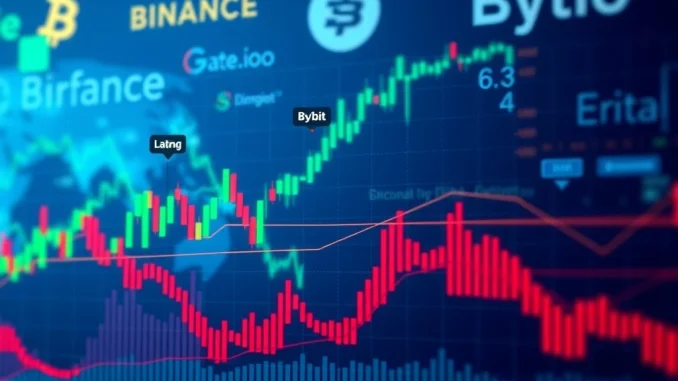
Examining individual exchange data provides a more granular view. Each platform caters to a slightly different user base. Therefore, their ratios can vary. These variations offer unique perspectives on specific trading communities. We analyze Binance, Bybit, and Gate.io.
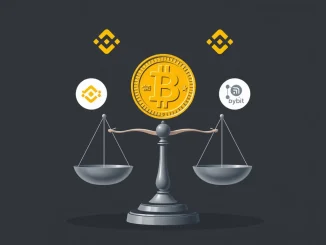
Binance: This exchange shows a slight bearish lean. Its long/short ratio is 49.17% long and 50.83% short. Binance is the largest exchange by trading volume. Its slight bearish bias suggests caution among a vast segment of the market. This small tilt can influence broader sentiment. Therefore, traders often watch Binance’s data carefully.
Bybit: In contrast, Bybit displays a modest bullish sentiment. The ratio here is 50.28% long and 49.72% short. This indicates slightly more optimism among Bybit users. Bybit is known for its derivatives focus. This subtle bullishness might reflect specific trading strategies. It could also suggest different demographic preferences on the platform.
Gate.io: Similar to Binance, Gate.io exhibits a slight bearish tilt. Its ratio is 49.28% long and 50.72% short. This alignment with Binance’s sentiment is noteworthy. It reinforces the idea of a generally cautious market. Gate.io serves a diverse global user base. Its data further contributes to the overall picture of balanced, yet slightly wary, Bitcoin market sentiment.
Understanding Bitcoin Market Sentiment Through Derivatives
Derivatives markets like BTC perpetual futures are crucial indicators. They offer a window into trader expectations. Spot markets reflect current prices. However, futures markets reflect future price expectations. This distinction is vital for comprehensive market sentiment analysis. When the long/short ratio is skewed, it often signals conviction. A heavily long ratio might precede a short squeeze. Conversely, a heavily short ratio could lead to a long squeeze. Both scenarios can result in rapid price movements. Therefore, understanding these dynamics is essential for risk management.
A balanced ratio, as seen currently, can be interpreted in several ways. It might suggest a lack of strong conviction in either direction. This indecision often precedes a period of consolidation. Alternatively, it could be a calm before a storm. Significant news or events could then tip the scales. Traders must remain vigilant. They should combine this data with other technical and fundamental analysis. This integrated approach provides a more robust trading strategy. Ultimately, no single metric tells the whole story.
Analyzing Futures Market Data for Strategic Decisions
Savvy traders integrate futures market data into their decision-making. The long/short ratio is just one piece of the puzzle. Open interest, funding rates, and volume also provide valuable clues. High open interest with a balanced long/short ratio suggests significant capital is deployed. This means any sudden shift could have a magnified impact. Funding rates, in particular, reveal the cost of holding long or short positions. Positive funding rates indicate longs are paying shorts. Negative rates mean shorts are paying longs. These payments further influence trader behavior.
For example, if funding rates are consistently positive, it implies bullish sentiment. Even with a balanced long/short ratio, positive funding suggests a premium on long positions. This premium can indicate underlying strength. Conversely, negative funding rates suggest bearish pressure. Traders use these combined metrics. They help them anticipate potential market shifts. Thus, a holistic view of derivative data is critical. It aids in forming well-informed trading strategies. Moreover, it helps manage risk effectively in volatile crypto markets.
The Significance of BTC Perpetual Futures in Price Discovery
Perpetual futures contracts play a significant role in Bitcoin’s price discovery. They provide continuous trading opportunities. This continuous nature allows for immediate reaction to market news. Therefore, BTC perpetual futures often lead spot prices. Their liquidity and accessibility attract a wide range of traders. These traders include retail participants and institutional investors. Their collective actions influence the broader market. The long/short ratio on these contracts reflects this collective sentiment. Consequently, it offers an early warning system for potential price trends.
The global nature of these markets means that sentiment on one exchange can quickly spread. For instance, a strong bullish bias on Binance might soon be reflected across other platforms. This interconnectedness highlights the importance of monitoring multiple exchanges. The current near-neutral long/short ratio across top exchanges points to a period of consolidation. Or, it could signal market participants are awaiting a clear catalyst. This phase can be challenging for directional traders. However, it offers opportunities for range-bound strategies. Understanding this dynamic helps traders adapt their approaches.
In conclusion, the latest Bitcoin long/short ratio for BTC perpetual futures reveals a market at a crossroads. The overall neutrality suggests caution. However, slight variations exist among major exchanges. Binance and Gate.io show a marginal bearish lean. Bybit, conversely, displays a subtle bullish sentiment. This detailed market sentiment analysis provides valuable insights. Traders should use this futures market data alongside other indicators. Continuous monitoring of these ratios remains essential. It helps navigate the complex and ever-evolving landscape of crypto futures trading. Ultimately, informed decisions lead to better outcomes.
Frequently Asked Questions (FAQs)
What is the BTC perpetual futures long/short ratio?
The BTC perpetual futures long/short ratio compares the number of open long positions (betting on price increase) to open short positions (betting on price decrease) on perpetual futures contracts. It helps gauge overall market sentiment.
Why is a balanced long/short ratio significant?
A balanced ratio, like the current near 50/50 split, indicates market indecision. It suggests neither bulls nor bears hold a dominant advantage. This can precede periods of consolidation or a significant price move once a catalyst emerges.
How do individual exchange ratios differ?
While the overall market might be balanced, individual exchanges can show slight variations. For instance, Binance and Gate.io recently had a slight bearish lean, while Bybit showed a modest bullish sentiment. These differences reflect the sentiment of specific user bases.
Can the long/short ratio predict Bitcoin’s price?
The long/short ratio is a strong indicator of market sentiment. However, it is not a standalone predictive tool. Traders often combine it with other metrics like open interest, funding rates, and technical analysis for more accurate predictions.
What are BTC perpetual futures?
BTC perpetual futures are derivative contracts that allow traders to speculate on Bitcoin’s price without an expiry date. They are a popular instrument in crypto futures trading, offering leverage and continuous trading opportunities.
How does this data help with market sentiment analysis?
By revealing the collective positioning of traders, the long/short ratio provides direct insight into market participants’ expectations. A high ratio indicates bullishness, while a low ratio suggests bearishness, helping to analyze overall market sentiment.