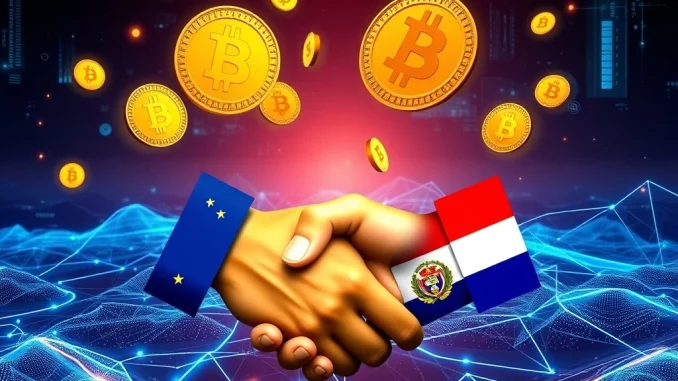
In a groundbreaking move, Bolivia has partnered with El Salvador to promote Bitcoin and other cryptocurrencies as reliable alternatives to traditional fiat currencies. This collaboration marks a significant shift in Bolivia’s stance on digital assets and could pave the way for broader adoption across Latin America.
Why is Bolivia Embracing Cryptocurrency Now?
Bolivia’s central bank recently declared cryptocurrency a “reliable alternative,” reversing its previous skepticism. This decision comes amid:
- High inflation rates affecting traditional currencies
- The need for efficient cross-border transactions
- A push for greater financial inclusion
- Attracting foreign investment opportunities
How Will the El Salvador Partnership Accelerate Bitcoin Adoption?
El Salvador’s experience as the first country to adopt Bitcoin as legal tender provides valuable insights for Bolivia. The partnership will focus on:
| Area | Collaboration Focus |
|---|---|
| Regulatory Framework | Developing clear cryptocurrency policies |
| Technology | Building national wallet infrastructure |
| Education | Public awareness campaigns |
| Sustainability | Exploring green mining solutions |
What Challenges Does Bolivia Face in Crypto Adoption?
While promising, Bolivia’s cryptocurrency journey isn’t without obstacles:
- Regulatory clarity needed to prevent illicit activities
- Technological infrastructure gaps, especially in rural areas
- Public education about digital assets
- Managing Bitcoin’s price volatility
Could This Spark a Regional Trend in Digital Assets?
Latin America has shown increasing interest in cryptocurrency solutions due to:
- Economic instability in several countries
- High costs of international remittances
- Growing unbanked populations
Bolivia’s success could inspire neighboring nations to follow suit, potentially creating a more interconnected financial ecosystem across the region.
What Does This Mean for the Future of Digital Finance?
This partnership represents a strategic shift in how countries view cryptocurrencies – not as speculative assets but as tools for economic development. Key implications include:
- Potential for Bitcoin to become legal tender in Bolivia
- Improved financial access for underserved populations
- New opportunities for foreign investment
- Regional collaboration in digital finance innovation
Frequently Asked Questions
1. Will Bitcoin become legal tender in Bolivia?
While not yet confirmed, the partnership with El Salvador suggests Bolivia is seriously considering this possibility as part of its long-term strategy.
2. How will this affect ordinary citizens in Bolivia?
If implemented successfully, citizens could benefit from lower remittance costs, protection against inflation, and greater access to financial services.
3. What can other countries learn from this partnership?
The collaboration demonstrates how nations can leverage each other’s experiences to accelerate cryptocurrency adoption while minimizing risks.
4. How will Bolivia address Bitcoin’s energy consumption concerns?
The partnership includes exploring sustainable mining solutions, potentially using Bolivia’s renewable energy resources.
5. When will we see concrete results from this partnership?
Initial policy frameworks and educational initiatives are expected within the next 12-18 months, with broader implementation following.